
Plants
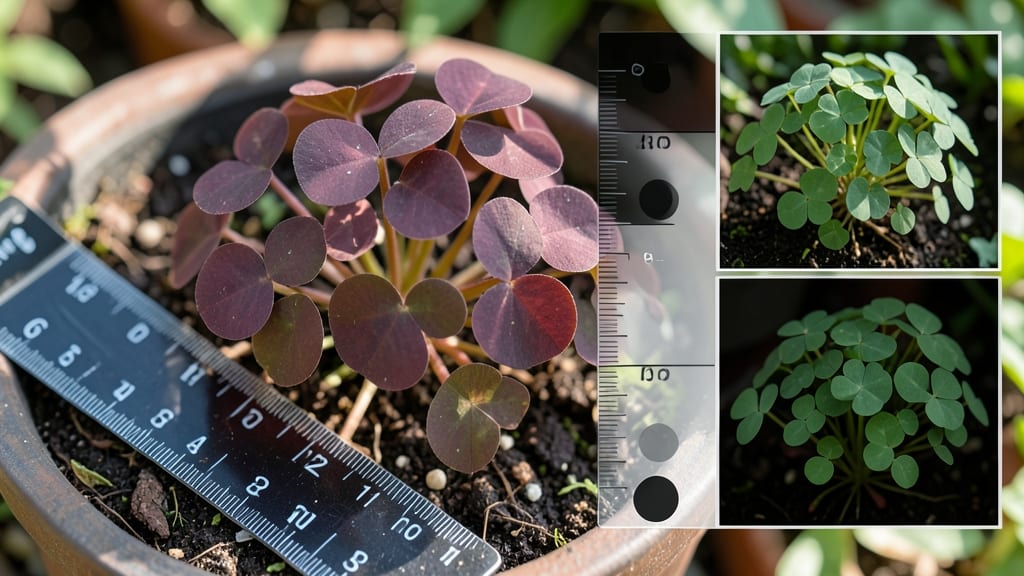
How much light does a shamrock plant need? Bright indirect sunlight is the secret weapon for keeping your 🍀 shamrock plant thriving, but too much direct sun can turn those lovely leaves yellow faster than you can say "St. Patrick's Day."
Shamrocks are finicky about light—too little, and they stretch toward the window like a sleepy cat; too much, and they get crispy at the edges. The sweet spot? 4-6 hours of gentle morning light or dappled shade, especially in USDA Zone 6a where spring sunshine can be intense.
Whether you're growing Irish shamrock or clover varieties, this balance is key to lush, vibrant foliage.
I’ve learned the hard way that window placement makes all the difference—east-facing spots are ideal, while south-facing windows can fry your plant if it’s too exposed. Even indoors, artificial light can help, but it’s not as simple as pointing a lamp at your pot.
Let me break down exactly how to get the lighting right so your shamrock stays happy and healthy, year-round.
You’ll also discover how to spot light-related problems early—think yellowing leaves or leggy stems—and fix them before they become irreversible. Trust me, a little attention to light now saves hours of frustration later.

Ideal light requirements for shamrock plants: bright indirect sunlight explained
If you’ve ever wondered how much light does a shamrock plant need, the answer is simpler than you might think: bright indirect sunlight is the golden ticket to keeping your shamrock thriving. Unlike sun-worshipping plants, shamrocks (Oxalis spp.) prefer gentle light that mimics their natural woodland habitat.
Too much harsh sun, and you’ll end up with crispy leaves; too little, and your plant will stretch awkwardly toward any light source, a condition called etiolation. The key is finding that sweet spot where your shamrock gets 4-6 hours of filtered sunlight daily.
Think of your shamrock’s ideal light as a morning coffee break—just enough to wake up gently without burning. The best natural light comes from east-facing windows, where morning sun is soft and warm, or from dappled sunlight under trees.
If you’re growing your shamrock indoors, avoid placing it in direct midday sun, especially on south- or west-facing windows, where UV rays can scorch delicate foliage. Instead, position it a few feet back from the window or use a sheer curtain to diffuse the light.
Here’s the summary-table breaking down exactly what your shamrock needs to thrive under the right light conditions:
| Light Requirement | Specification | Best Sources |
|---|---|---|
| Daily Sunlight | 4-6 hours | East-facing windows, morning sun |
| Light Type | Bright indirect | Dappled sunlight, sheer curtains |
| Avoid | Direct midday sun | South/west windows, harsh sunlight |
| Winter Adjustment | Supplemental light | Grow lights, rotate plant |
Seasonal changes can throw off your shamrock’s light routine, especially during winter months when daylight is shorter and weaker. If you notice your plant’s leaves turning pale or stems stretching toward the window, it’s time to adjust for the season.
Rotate your shamrock quarter-turn weekly so all sides get even light exposure. For indoor plants, consider adding a grow light (like a 6000K LED bulb) for 12-14 hours daily to mimic longer daylight hours.
This is particularly important in USDA Zone 6a, where winter sunlight is often dim and gray.
Outdoor shamrocks also need a little extra care during seasonal shifts. If you’re growing them in partial shade gardens, monitor their position as the sun’s angle changes. In early spring, when the sun is lower in the sky, your shamrock might get more direct light than it’s used to.
Use lightweight shade cloth (30-50% shade) to filter harsh rays, especially if your garden gets intense afternoon sun. Conversely, in late summer, when the sun is high and fierce, move your shamrock to a spot with afternoon shade to prevent leaf burn.
One common mistake I see is assuming that more light is always better. Shamrocks are not like succulents or cacti—they’ll thank you more for gentle light than for harsh exposure.
If you’re unsure whether your shamrock is getting the right amount of light, do a simple shadow test: Place a white piece of paper near your plant during peak sunlight hours. If the shadow is sharp and dark, the light is too direct.
If the shadow is soft and fuzzy, you’ve hit the bright indirect sunlight sweet spot.
For indoor gardeners, window placement is everything. East-facing windows are ideal because they provide gentle morning light without the intense heat of afternoon sun.
If you only have a south- or west-facing window, place your shamrock at least 3 feet away from the glass and use a sheer curtain to diffuse the light. Avoid north-facing windows unless you supplement with a grow light, as they often lack sufficient light intensity for shamrocks to thrive.
If you’re growing shamrocks outdoors in woodland gardens or under trees, take advantage of their natural preference for dappled sunlight. This means letting light filter through the leaves of taller plants, creating a mottled shade effect that’s perfect for shamrocks.
In open garden beds, pair your shamrocks with taller plants like hostas or ferns to create a similar light-filtering environment. This not only protects your shamrocks from harsh sun but also adds visual interest to your garden design.
Pro tip: Pay attention to your shamrock’s leaf color as a quick health indicator. Deep green leaves mean your plant is happy with its light conditions. Yellowing leaves or pale, washed-out foliage signal too little light, while brown or crispy edges mean it’s getting too much direct sun.
Adjust accordingly, and your shamrock will reward you with vibrant, lush growth all season long.
🍀
Signs your shamrock isn’t getting the right light: yellow leaves, stretching stems, and how to fix them
Your shamrock’s yellow leaves or leggy stems aren’t just random bad luck—they’re screaming for help. When your plant gets the wrong light, it reacts in predictable ways, and understanding these visual cues is the first step to fixing the problem.
The most common light-related issues for shamrocks are etiolation (stretchy stems reaching for light), chlorosis (yellow leaves from poor light absorption), and leaf burn (brown edges from too much sun). I’ve seen these problems firsthand, and the good news? They’re almost always fixable with simple adjustments.
Start by checking your shamrock’s leaf color. Healthy shamrock leaves should be a vibrant, deep green. If you’re seeing pale yellow leaves, your plant is likely getting too little light, while brown or crispy edges mean it’s suffering from too much direct sun.
Another dead giveaway is the plant’s growth habit: if your shamrock is growing tall and spindly with large spaces between leaves, it’s stretching toward a light source—a classic sign of etiolation.
This happens when your plant isn’t getting enough light to photosynthesize efficiently, so it grows taller in an attempt to reach a better spot.
⚠️ How Much Light Does a Shamrock Plant Need?
Shamrocks thrive with 4-6 hours of bright indirect light daily. They need gentle morning sun (like east-facing windows) or dappled shade (filtered light under trees). Avoid direct midday sun, especially on south/west windows, as it causes leaf burn. In winter, supplement with grow lights (12-14 hours/day) if natural light drops below 4 hours.
DIY Light Test: Hold a white piece of paper near your plant at noon. If the shadow is sharp and dark, the light is too harsh. If it’s soft and fuzzy, you’ve got the right conditions.
If your shamrock is showing signs of etiolation, the fix is simple but requires patience. First, move your plant to a brighter spot—but not direct sun. An east-facing window or a spot near a sheer curtain-filtered south window is ideal.
If you’re growing your shamrock indoors, consider adding a grow light (a 6000K LED bulb works well) and place it 12-18 inches above the plant for 12-14 hours a day. This mimics the longer daylight hours shamrocks need to recover.
Avoid shocking your plant by making drastic changes all at once—instead, gradually increase light exposure over a week or two to help it adjust.
For leaf burn or brown edges, the solution is equally straightforward: move your shamrock to a shadier location. If it’s outdoors, provide afternoon shade using a lightweight shade cloth (30-50% shade) or plant it under taller species like hostas or ferns to create natural dappled light.
Indoors, shift your plant further from the window or add a sheer curtain to diffuse harsh rays. If your shamrock is already severely damaged, trim the affected leaves with clean pruning shears to encourage new growth, but avoid cutting more than 20-30% of the foliage at once.
If your shamrock’s leaves are turning yellow but not brown, it’s likely suffering from chlorosis, a condition where the plant can’t absorb enough light due to poor light conditions or nutrient deficiencies.
In this case, check your plant’s light exposure first. If it’s still getting enough light, the issue might be iron deficiency, which is common in shamrocks. Use a chelated iron supplement (like iron sulfate) to help the plant absorb nutrients more efficiently.
Water the soil lightly before applying the supplement to ensure it reaches the roots, and reapply every 4-6 weeks during the growing season.
To prevent future light-related problems, make seasonal adjustments a habit. In spring and summer, when daylight hours are longer, your shamrock might need afternoon shade to prevent leaf burn.
In winter, when natural light is weaker, supplement with a grow light or rotate your plant quarter-turn weekly to ensure even growth. Keep an eye on your shamrock’s growth pattern: if you notice it stretching toward one side, it’s not getting enough light from all directions.
A simple rotation every few days can make a world of difference in keeping your plant balanced and healthy.
🌿