Plants
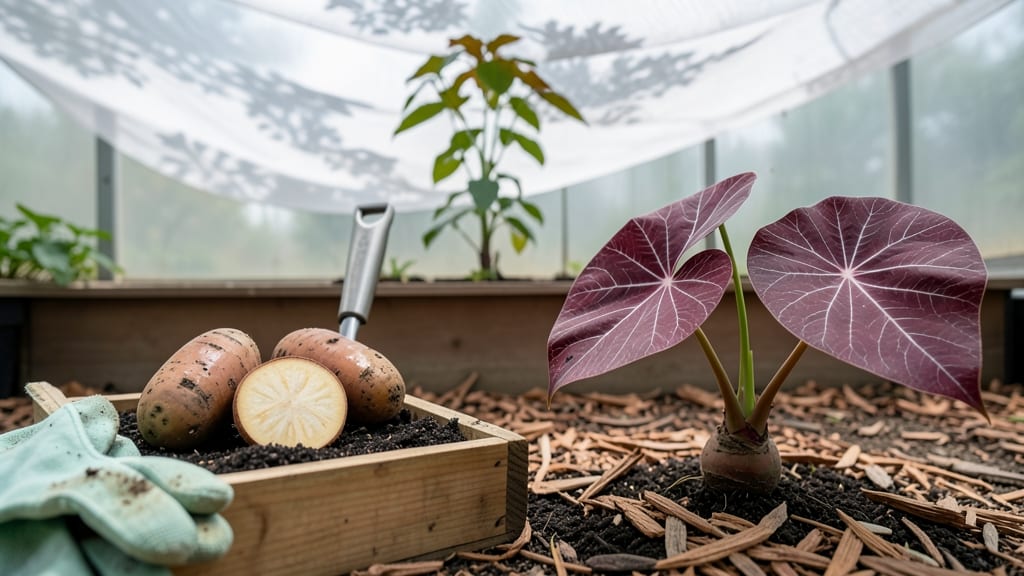
Planting caladiums in Texas isn't just about picking a month—it's about waiting for the perfect moment when soil warmth and frost-free days align. These stunning 🌿 tropical plants demand patience, or you'll risk losing them to late-spring freezes that can strike even in Zone 8a.
I've learned the hard way that rushing caladiums into cold soil means stunted growth or worse. The key is tracking soil temperatures—aim for 65°F+—and knowing your region's last frost date, which can vary wildly from North Texas to the Gulf Coast.
Let's break down exactly when to plant for your specific corner of the Lone Star State.
Whether you're in the Hill Country or along the coast, timing matters more than you think. A 3-week window can mean the difference between vibrant foliage all summer and struggling plants that never reach their potential.
I'll show you how to read your soil's signals and adjust for Texas' unpredictable heat waves.
Ready to transform your garden with these show-stopping plants? You'll discover how to extend the season with mulch, containers, and shade strategies that work in our unique climate. Let's get those caladium tubers in the ground the right way.
Texas heat Zone map: best caladium planting regions & timing
Texas spans USDA Hardiness Zones 8a through 10b, creating dramatic differences in when to plant caladiums. These tropical beauties demand soil temperatures above 65°F and hate frost—so your planting window varies wildly from North Texas to the Gulf Coast.
Let’s map out the perfect timing for each region to ensure your caladiums thrive all summer.
In North Texas (Zones 8a-8b), where last frosts average March 15, wait until mid-April when soil warms consistently. Meanwhile, East Texas (Zones 8a-9a) can plant as early as late February, while the Gulf Coast (Zones 9a-10b) enjoys frost-free soil by January—perfect for early March plantings.
The Texas Hill Country (Zones 8a-8b) faces unique challenges with hot, dry summers and unpredictable spring rains. Here, focus on well-draining soil and partial shade to protect tender tubers from heat stress. Container gardening also extends your planting window safely.
Soil temperature is the golden rule—never plant until your soil reaches 65°F at 4-inch depth. Use a soil thermometer or the "back of your hand" test (if it feels warm like a bath, it’s ready). In South Texas, this often means February plantings, while Panhandle regions may wait until mid-May.
| Region | USDA Zone | Last Frost | Ideal Planting Window | Soil Temp Requirement |
|---|---|---|---|---|
| North Texas | 8a-8b | March 15 | Mid-April to May 15 | 65°F+ (wait for consistency) |
| East Texas | 8a-9a | February 28 | Late February to April | 65°F+ (earlier possible) |
| Gulf Coast | 9a-10b | January 15 | February to March | 65°F+ (sooner in containers) |
| Hill Country | 8a-8b | March 15 | April 15 to May 1 | 65°F+ (use mulch for warmth) |
| West Texas | 8a-8b | March 30 | May 1 to June 1 | 70°F+ (longer wait needed) |
If you’re in Zone 9a or warmer, you can even plant caladium tubers in containers as early as January for a head start. Just move them outdoors after last frost.
For North Texas gardeners, consider black plastic mulch to warm soil faster—this can shave 2-3 weeks off your planting timeline.
Remember: Caladiums hate cold. Even a light frost can kill emerging shoots. In Zone 8a, wait until after Mother’s Day (around May 10) to be safe. Use shade cloth in hotter regions to prevent leaf scorch, especially in South Texas where afternoon sun can be brutal.
Pro tip: Mark your calendar for your region’s average last frost date and add 4-6 weeks to ensure soil warmth. For example, Houston gardeners (Zone 9a) can plant by mid-February, while Amarillo growers (Zone 8a) should wait until late April.
Once planted, mulch heavily with 3-4 inches of organic mulch to retain moisture and regulate soil temperature. This is especially critical in dry Hill Country or urban heat islands where soil can dry out quickly.
Finally, avoid planting in July or August—caladiums need time to establish roots before Texas’ scorching summers hit. Instead, focus on spring plantings for the most vibrant foliage all season long.
Soil temperature & moisture: how to test readiness for caladiums
Testing your soil before planting caladiums is the secret to success in Texas. These tropical plants won't tolerate cold soil, so checking soil temperature and moisture levels is critical. Start by using a soil thermometer—the most accurate way to measure warmth at the right depth.
Insert the thermometer 4 inches deep (the depth where caladium tubers will sit) and wait 5 minutes for an accurate reading. Aim for 65°F or warmer—this is your green light to plant.
In North Texas, this might not happen until late April, while Gulf Coast gardeners often hit this mark by mid-February.
⚠️ WARNING: COLD SOIL DISASTER ⚠️
- 🌱 Stunted growth from shock
- 🌡️ Rotten tubers in damp cold soil
- 🌬️ Frost damage even after planting
If you don't have a thermometer, try the "back of your hand" test. Press your hand into the soil—if it feels warm like a lukewarm bath, it's ready. For a visual cue, watch for weeds sprouting or earthworms appearing—both signs of warming soil.
In dry areas, check moisture by squeezing a handful of soil; it should hold together but not be soggy.
For slow-warming soils (common in Hill Country or West Texas
Once soil is warm, amend with compost to improve drainage—caladiums hate soggy roots. Water lightly before planting to settle the soil, then mulch with 2-3 inches of straw to retain moisture. In hotter regions, this helps prevent soil from drying out too quickly during Texas' summer heat. Remember: Consistency is key. Check soil temperature for 3 consecutive days above 65°F before planting. This ensures your caladiums get off to a strong start without the shock of fluctuating temperatures. With the right soil prep, you'll have vibrant foliage all summer long.