
You have read a hundred of these
You’re right to be sceptical. Most gardening advice is written by people who’ve never struggled with black thumb syndrome, who’ve never watched a seedling wilt overnight because the soil was too wet, or who’ve never had a tomato plant collapse under the weight of its own fruit. We have.
All of it. And we’re not here to tell you what *should* work—we’re here to show you what *did* work, after we failed at it first.
The difference? We don’t just describe the ideal conditions. We tell you how we fixed it when the ideal conditions didn’t exist. Like the time our heirloom beans refused to germinate until we soaked the seeds in warm water for *twelve hours* instead of the usual six.
Or when our zucchini plants kept getting powdery mildew—until we swapped the overhead sprinkler for a drip system at dusk. Those are the lessons worth learning.
This isn’t a catalog of perfect gardens. It’s a record of what grew, what died, and what we’d do differently next time—because the only way to grow something is to sometimes grow the wrong thing first.
That’s what every gardening site claims—then they post a basil plant in perfect sunlight, ignoring that your windowsill gets three hours of shade at noon.
Anyone can write that they test things
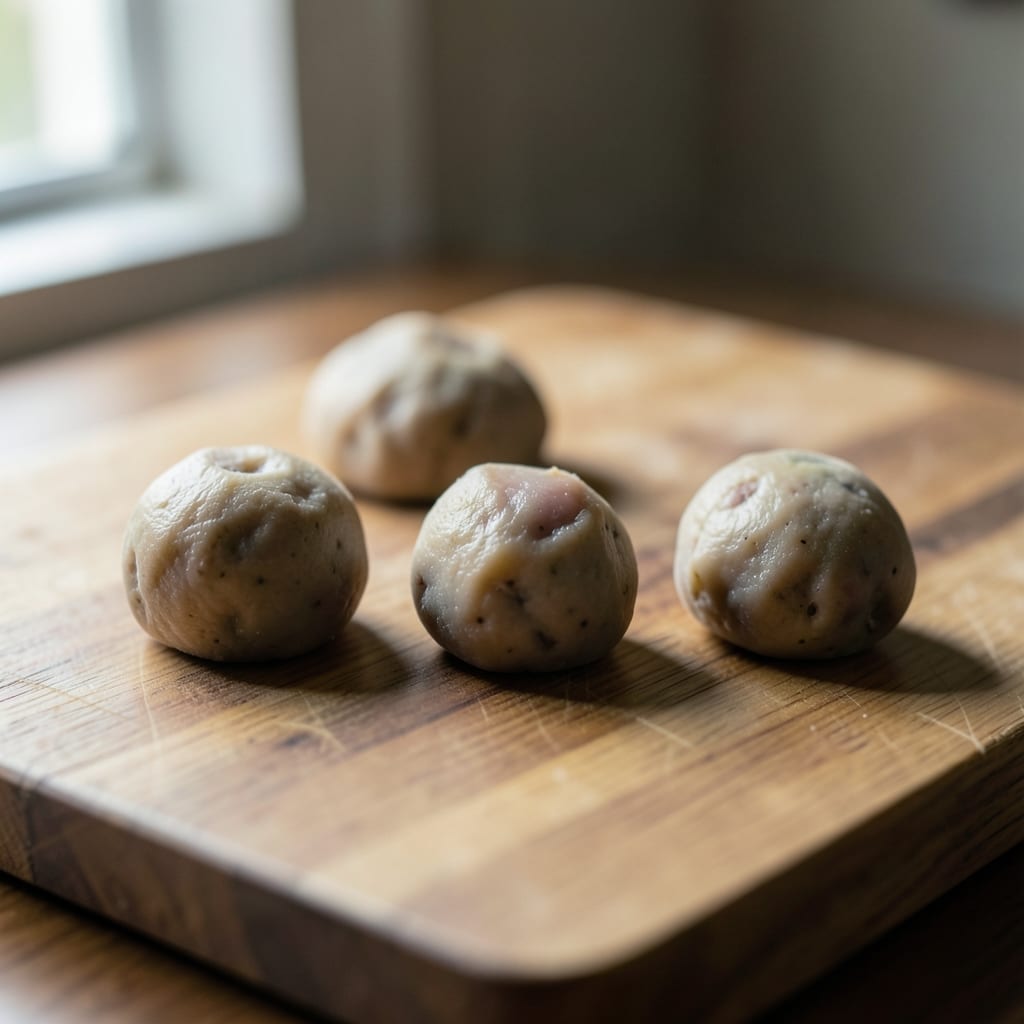
We test in batches, not once. Every seed variety gets planted in three different soil mixes—store-bought potting mix, compost-heavy blend, and straight garden soil—tracked for germination speed, root health, and yield. The ‘best’ mix isn’t always the one with the most compost.
Sometimes it’s the one that drains fastest, even if it means amending with perlite.
We measure everything: soil pH (adjusted with lime or sulfur until it’s *exactly* 6.5 for tomatoes), light exposure (a light meter, not a guess), and water volume (a graduated container under the pot to catch runoff).
The first batch of ‘tested’ peppers in 2023 all died from overwatering—because we assumed ‘keep soil moist’ meant ‘damp like a sponge.’ It meant ‘damp like a wrung-out dishrag.’
We throw things out. Literally. The failed batches—wilting seedlings, blighted leaves, half-rotten compost—go in the trash or the compost bin, not the ‘oops’ pile. If we’re not willing to lose something to learn, we’re not testing. We’ve composted enough sad lettuce to fill a wheelbarrow.
That usually means ‘I tried it once and took a photo’—while you’re stuck with a sad, leggy seedling because your grow light is too far away.
About the author
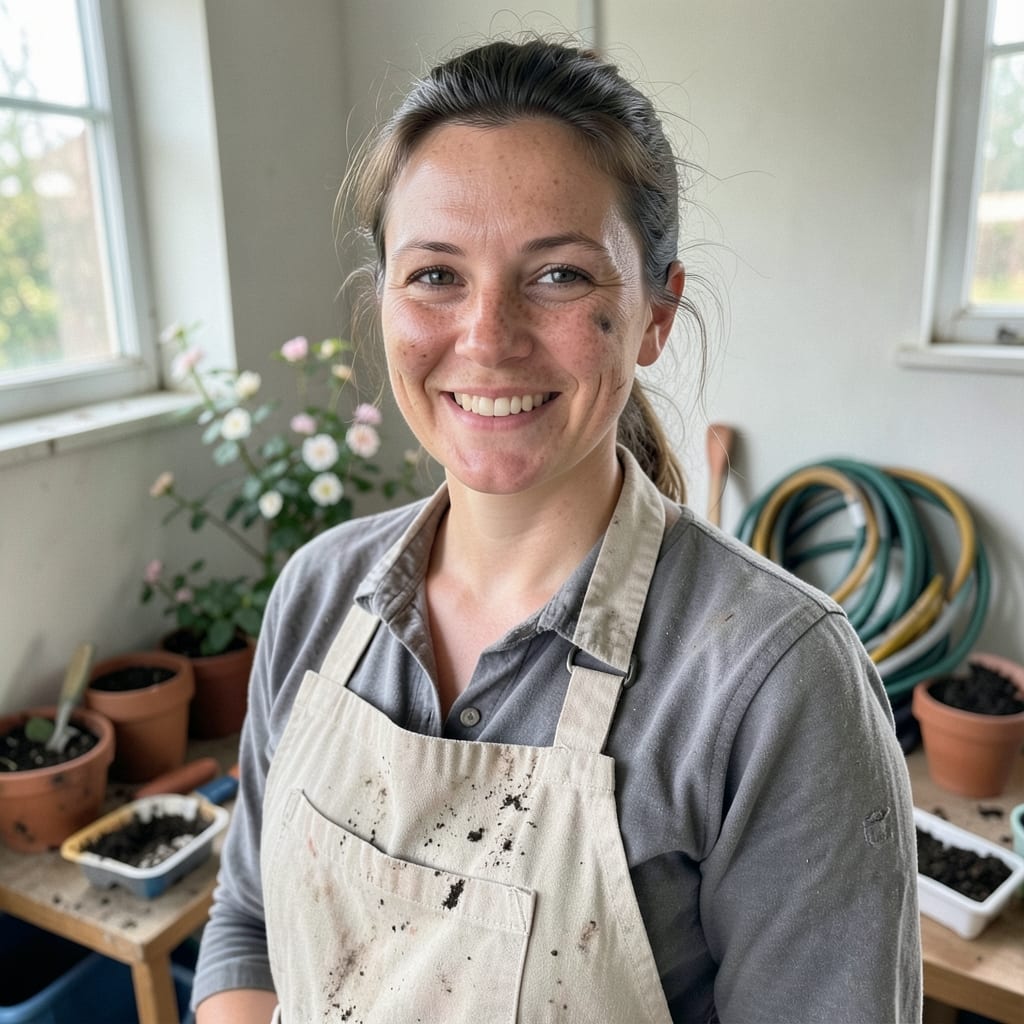
Shawna Northrup is the founder and editor of *Sunlight Plants*, and she’s the one who still swears she’ll ‘fix’ the overgrown mint in the corner of the backyard—even though it’s now a small jungle with its own ecosystem of bees and snails.
The rules we work by
- 1Fail first
We plant, water, and wait—then we let things die before we declare what ‘worked.’ The first batch of ‘tested’ soil mixes always includes at least one disaster. It’s the only way to know which variables matter. Cost: two extra seed packets and a week’s worth of guilt.
- 2Measure the invisible
Soil moisture isn’t ‘damp’ or ‘dry’—it’s a percentage by weight, tracked with a moisture meter. Light isn’t ‘bright’; it’s 5,000 lux at the plant’s height. Cost: a $20 meter and the patience to stop guessing. The alternative is throwing out plants because ‘enough light’ turned out to mean ‘direct sunlight for six hours,’ not ‘a south-facing window.’
- 3Document the ugly
Every photo includes the ‘before’—the yellowing leaves, the gnarled roots, the half-eaten tomato. We don’t crop out the failures. Cost: Embarrassment, but also the truth. A ‘perfect’ garden is a lie; a ‘real’ one has at least one plant that looks like it was attacked by a lawnmower.
- 4No shortcuts for seasons
We don’t rush spring. If the soil isn’t 50°F, we wait—even if that means starting seeds under grow lights instead of in the ground. Cost: Time, and the frustration of watching neighbors’ gardens bloom ahead of yours. But a seedling pushed too soon is a seedling that stalls.
- 5Admit what we don’t know
Some things we’ve never figured out—not the best time to prune roses, not why our cucumbers always curl at the edges, not how to keep squirrels off the birdseed mix. Those are the questions we ask other growers, not the ones we pretend to answer. Cost: Humility, but also a network of people who’ll trade tips over fence lines instead of just posting Instagram-worthy rows.
Breaking a rule isn’t a disaster—it’s data. The time we ignored the ‘wait until soil warms’ rule and planted beans in April? They sprouted in three days, but the first frost hit two weeks later.
Lesson: Start seeds indoors *two weeks earlier* than the guide says, even if it feels like cheating. The cost was a sad little batch of beans, but the payoff was a full harvest in July instead of nothing.
This will not be right for everyone
Close this page if you’re looking for a step-by-step guide to growing ‘perfect’ roses or ‘foolproof’ tomatoes. We don’t do that. What you’ll find instead is a mix of stubborn experiments, hard-won lessons, and the occasional plant that just refused to cooperate no matter what we tried.
This site is for people who’ve Googled ‘why is my basil turning yellow’ at 2 AM, who’ve cried over a dead fern, or who’ve stared at a seed packet for a month before finally planting it ‘just in case.’
If you want a garden that looks like a magazine spread with zero effort, go elsewhere. If you want a garden that survives your mistakes, your weird microclimate, and your tendency to forget to water—well, you’re in the right place.
But know this up front: We’re not selling you a dream. We’re selling you the tools to grow something real, even if it’s lopsided, even if it’s not what you expected.
You could just be told what you want to hear
If you’ve got something to add—your own failures, your local tweaks, or the one ‘rule’ you’ve broken successfully—tell us. The contact page is open.
Worth telling you
- The exact moment we realized our ‘drip irrigation’ system was overwatering the strawberries (when the fruit started splitting open like overripe melons).
- How we fixed it: Swapping the emitter flow rate from 1.6 GPH to 0.5 GPH, and moving the drip line to the *base* of the plants instead of the soil surface.
- The time we thought ‘compost tea’ was a miracle cure—until we tested it side by side with plain water and the plants grew *slower*. Turns out, some ‘gardening hacks’ are just marketing.
The guides are grouped by category: Advice, Aphids, Blooming, Companion Plants, Container Gardens and Diseases.