
Plants
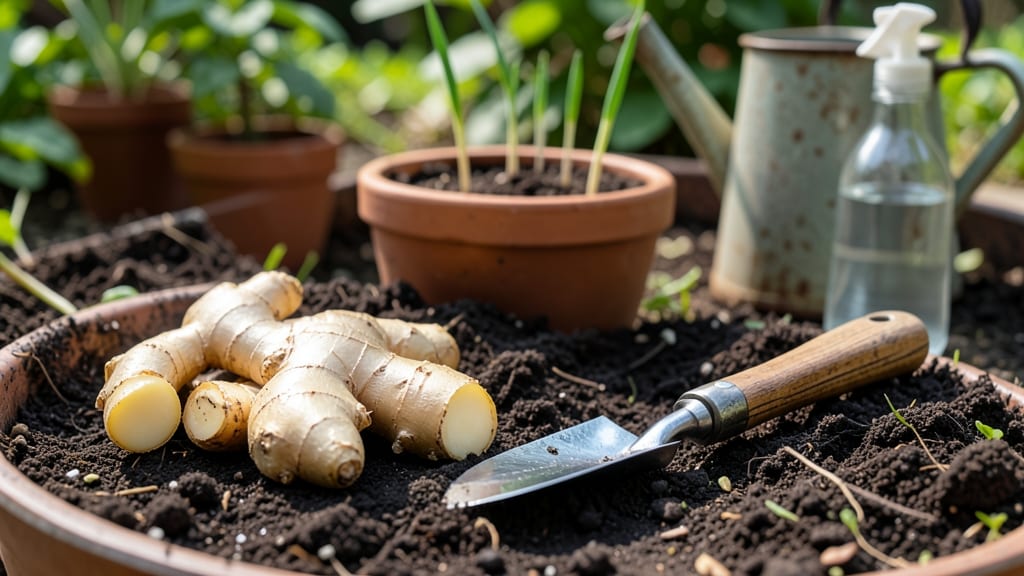
Timing your ginger planting just right in Zone 9 could mean the difference between a thriving harvest and wasted effort. Unlike cooler climates, this warm region demands precision—plant too early, and the rhizomes rot; too late, and you miss the sweet spot for summer growth.
Most gardeners in Zone 9 start their 🌱 ginger in late spring, when soil temperatures hit that perfect balance of warmth and moisture. But there’s more to it than just the calendar.
Microclimates—whether you’re near the coast or inland—play a huge role in when you should actually stick that rhizome in the ground.
I’ve learned the hard way that ginger thrives on consistency, so I’ll walk you through the exact window for planting, how to prep your soil, and what to watch for if things go south. No more guessing—just proven strategies for a bountiful harvest.
Ready to grow ginger that’s plump, flavorful, and ready for harvest by fall? Let’s get your timing dialed in so you can skip the common pitfalls and enjoy fresh ginger straight from your garden.
Best months to plant ginger in Zone 9 for maximum yield
Zone 9 gardeners know that ginger rhizomes thrive in warmth, but timing is critical. Plant too early, and soil rot takes over; too late, and you’ll miss the harvest window. The key lies in understanding soil temperature and microclimates—coastal areas stay milder longer than inland spots.
Ginger grows best when soil temperatures reach 65°F (18°C) consistently. In Zone 9, this typically aligns with late spring to early summer, but fall planting is also viable in cooler microclimates. Let’s break down the best windows for your location.
🌱
For inland Zone 9 areas, late March to April is ideal—soil warms quickly, and rhizomes establish roots before summer heat peaks. I’ve planted here successfully by testing soil with a thermometer; aim for 60°F (15°C) minimum.
Coastal gardeners have more flexibility due to milder winters. May to early June works perfectly, as ocean breezes prevent overheating. If you’re near the coast, you can even try a fall planting in September for a late harvest.
Ginger’s growth cycle spans 8-10 months, so timing matters. Planting in late spring ensures harvests by fall/winter, while fall plantings may yield smaller rhizomes but can overwinter in coastal areas.
Pro tip: Use mulch to regulate soil temperature. Inland gardeners should apply thick mulch in late spring to retain moisture, while coastal gardeners can skip it if winters are wet. Always choose organic mulch like straw to avoid soil compaction.
If you’re unsure about your microclimate, observe your garden’s behavior. Do leaves stay green all winter? You’re likely in a coastal zone. Do you experience hot summers and cool winters? You’re inland. Adjust planting dates accordingly.
Remember, ginger rhizomes are perennial in Zone 9. Once established, they’ll regrow yearly if left undisturbed. This makes fall planting a great strategy for low-maintenance harvests in subsequent seasons.
🌿
How to prepare your garden for ginger planting in Zone 9
Now that you’ve got your planting window locked in, let’s talk about preparing your Zone 9 garden for ginger success. Ginger rhizomes need rich, well-draining soil with a slightly acidic pH—around 6.0 to 7.0.
If your soil is heavy clay or sandy, amendments are key to mimicking ginger’s natural tropical habitat.
Start by testing your soil’s pH level and drainage. Ginger hates soggy roots, so if water pools after rain, amend with compost or coconut coir to improve aeration. I’ve found that mixing in aged manure or worm castings gives rhizomes the phosphorus boost they crave for strong roots.
Ginger thrives in partial shade to dappled sunlight—about 4-6 hours of morning sun is ideal. In Zone 9’s intense heat, afternoon shade from nearby trees or a lightweight shade cloth prevents leaf scorch. I’ve planted mine under banana trees with great results.
Even with perfect soil prep, planting ginger in Zone 9 before soil hits 60°F (15°C) risks rhizome rot. Cold, wet soil triggers fungal growth that smothers young roots. Use a soil thermometer—if it’s cooler than 60°F, wait 1-2 weeks or choose a warmer microclimate like a greenhouse.
Companion planting can work wonders for ginger. Pair it with nitrogen-fixing plants like beans or clover to replenish soil nutrients, or marigolds to deter pests naturally. Avoid planting near onions or garlic, as they compete for nutrients and can stunt ginger growth.
Before planting, loosen the soil to a depth of 12 inches to encourage root penetration. Add a 2-inch layer of compost to the topsoil, then water deeply to settle everything.
Ginger rhizomes should be planted 2 inches deep and 6 inches apart—this spacing gives them room to expand without crowding.
Mulch heavily with straw or shredded leaves to retain moisture and keep roots cool. In Zone 9’s dry summers, mulch prevents soil from drying out too quickly. I’ve seen ginger plants wilt when mulch is skipped—don’t make that mistake!
Finally, water consistently but avoid overhead irrigation to prevent fungal diseases. A drip irrigation system or soaker hose keeps roots moist without wetting the leaves. With these prep steps, your ginger will establish strong roots and shoot up quickly for a bountiful harvest.