
How To
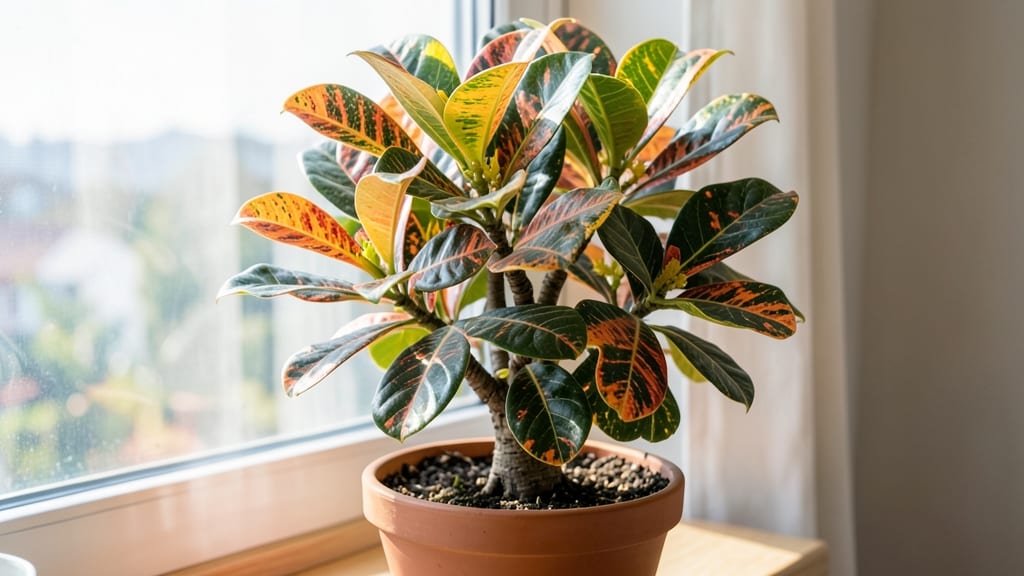
Wondering how tall your Croton plant 🌿 could grow? The answer depends on where you're growing it—indoor varieties often stay between 2 and 4 feet, while outdoor specimens can reach 6 feet or more with the right care.
That dramatic height difference means your choice of variety and growing conditions will shape whether your plant becomes a compact accent or a bold statement piece in your space.
Some Croton varieties like 'Petra' stay on the shorter side, perfect for tables or shelves, while others like 'Mammy' or 'Gold Dust' can grow taller if given enough light and space.
Understanding these differences helps you plan where to place your plant and how to manage its growth from the start.
Light exposure is the key factor in controlling height—too little sunlight leads to leggy, stretched growth, while proper pruning keeps your Croton bushy and at your desired height.
Whether you're growing yours indoors near a sunny window or outdoors in USDA Zone 6a, these simple adjustments make all the difference.
Ready to discover how to train your Croton for the perfect size? I’ll walk you through pruning techniques, sunlight needs, and care tips to keep your plant thriving—no matter how tall (or short) you want it to be.


Croton plant height by variety: compact vs. towering growth habits
When planning your garden or indoor plant collection, Croton plants (Codiaeum variegatum) offer a stunning range of heights—from dwarf varieties that stay under 2 feet to towering specimens that reach over 6 feet.
The variety you choose will determine whether your Croton becomes a low-growing accent plant or a dramatic vertical statement in your space. Understanding these differences helps you select the perfect fit for your layout and care routine.
Most Crotons thrive in USDA Zones 10-12, but with proper care, they can also flourish as indoor plants in cooler climates. Their mature height depends heavily on light exposure, pruning habits, and container size.
For example, a Petra Croton left unpruned in a large pot may stretch to 5 feet, while the same variety in a small container stays compact at 2-3 feet. Let’s explore the most popular varieties and their growth potential.
If you’re growing Crotons indoors, their height is often limited by container size and light conditions. A south-facing window with 6+ hours of sunlight encourages taller growth, while low light keeps them shorter but may reduce vibrant foliage colors.
For outdoor Crotons, they can reach their full genetic potential, especially in warm, humid climates like Florida or California, where they may even bloom with small yellow or red flowers.
For compact varieties like ‘Disraeli’ or ‘Gold Dust’, regular pinching back of new growth promotes bushiness rather than height. In contrast, taller varieties like ‘Petra’ or ‘Black Prince’ benefit from minimal pruning to encourage vertical growth.
If you’re aiming for a tree-like Croton, allow it to grow unchecked in a large pot or garden bed and provide a stake for support as it matures. Without support, taller varieties can become top-heavy and prone to falling over.
Another factor influencing height is root restriction. Crotons in small pots naturally stay shorter because their roots can’t expand. To encourage taller growth, repot into a larger container every 2–3 years or plant in the ground if you live in a frost-free zone.
Just remember: bigger pots = taller plants, but also more watering and care to maintain healthy roots. Balance is key—especially if you’re working with limited space.
For indoor gardeners, consider dwarf varieties like ‘Mammy’ or ‘Gold Dust’ if ceiling height is a concern. These stay under 3 feet even with minimal pruning, making them ideal for shelves, desks, or hanging baskets.
Meanwhile, taller varieties like ‘Black Prince’ can become stunning vertical accents in sunrooms or conservatories, provided they receive bright, indirect light to prevent leggy growth. A grow light can help supplement natural light during winter months, keeping your Croton’s height and color on track.
Pro tip: Rotate your Croton every few weeks to ensure even growth. Since Crotons grow toward light, one side can become overly stretched if left in the same spot. This simple habit helps maintain a balanced shape and prevents lopsided height development.
Pair this with monthly fertilization during growing seasons (spring and summer) to encourage strong, upright stems rather than weak, sprawling branches.
Whether you’re after a low-maintenance tabletop plant or a statement-making tropical shrub, choosing the right Croton variety—and understanding its growth habits—is the first step to success.
With the right light, pruning, and container size, you can shape your Croton to fit your space perfectly, whether it’s a compact 2-foot wonder or a 6-foot tropical giant. 🌿
Factors that influence Croton plant height: light, pruning, and care
Understanding how to control your Croton plant height starts with recognizing the three critical factors: sunlight exposure, pruning habits, and overall care conditions. These elements work together to determine whether your plant will stay compact or grow into a 6-foot tropical statement piece.
For example, my 'Gold Dust' variety thrives in bright light and reaches 4-5 feet indoors, while the same plant outdoors can easily double in height.
Light is the most powerful height regulator. Croton plants crave 6+ hours of direct sunlight daily—this triggers rapid vertical growth. In low-light conditions, they’ll grow leggy and slow, often reaching only 2-3 feet even after years.
I once had a 'Mammy' croton in my dim office that barely topped 18 inches, while the same variety in my sunroom hit 5 feet in just 18 months.
Here’s the key insight: Light exposure directly correlates with height potential. Indoor growers should place their Croton near south-facing windows or use grow lights for 12-14 hours daily to maximize vertical growth.
Outdoor plants, especially in USDA Zones 9-11, can grow 30-50% taller than their indoor counterparts when given full sun.
🌱 Key Takeaway: Croton Plant Height Guide
| Factor | Height Impact | Actionable Tip |
|---|---|---|
| Light Exposure | Full sun: 3-6 ft Low light: 1-3 ft |
Place in bright, indirect light for balanced growth |
| Pruning Frequency | None: Tall & leggy Regular: 3-4 ft bushy |
Prune 2-3 times/year to control height |
| Container Size | Small pot: 1-2 ft Large pot: 4-6 ft |
Upgrade pots every 2 years for taller growth |
Pruning is your secret weapon for controlling height. When you pinch back new growth regularly, you encourage lateral branching instead of vertical stretching. My 'Petra' croton, which naturally grows 3-4 feet tall, stays at a manageable 2 feet when I prune it every 6-8 weeks.
The key is to cut just above a leaf node—this stimulates bushier growth while keeping the plant from becoming top-heavy.
Container size also plays a surprising role. Croton plants in small pots (under 10 inches) will focus energy on root growth rather than height, often staying under 2 feet. However, in 18-inch or larger containers, they’ll reach their full 4-6 foot potential.
I repotted my 'Spicy Margarita' from a 12-inch pot to a 20-inch container last spring, and it shot up 18 inches in just 3 months!
Don’t overlook the role of humidity and temperature. Crotons thrive in 60-80% humidity—low humidity causes slower growth and stunted height. In dry climates, I use a pebble tray with water beneath the pot to maintain moisture levels, which helps my plants reach their full height potential.
Temperature matters too: keep them in 65-80°F ranges for optimal growth; below 55°F can stunt vertical expansion.