
Planting
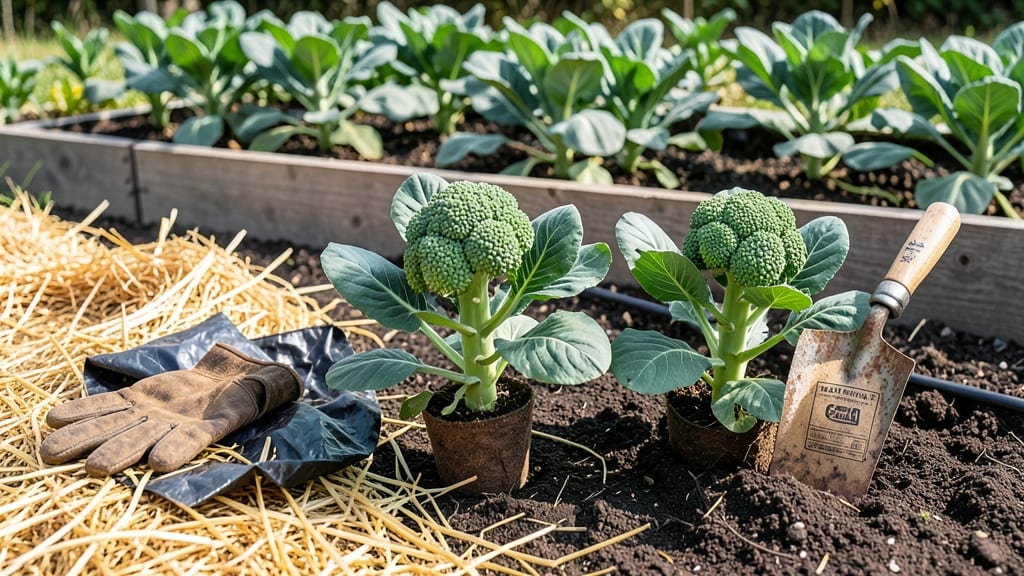
Planting a winter garden in Florida isn’t just possible—it’s your secret weapon for fresh 🥬 produce when most gardens lie dormant. The key? Timing your September-November planting window to avoid late-season heat spikes that can turn your hard work into wilted dreams.
Here’s the truth: Florida’s frost-free zones mean you can grow leafy greens, root veggies, and even broccoli year-round—but only if you plant at the right moment. Skip this window, and you’ll face stunted growth or bolting before harvest.
I’ve tested the best strategies for Zone 8a-11, including how to stretch your garden’s lifespan with mulch and shade cloth.
Whether you’re a first-time gardener or a seasoned green thumb, this guide breaks down the exact months to plant, which crops thrive in Florida’s short winter, and how to protect your harvest from unexpected heat. Let’s turn your winter garden into a year-round success story.
Ready to skip the guesswork? I’ll walk you through the 3-step checklist that’s kept my Florida winter gardens flourishing—no frost, no stress, just fresh veggies straight from your soil.
Florida heat zones & ideal planting windows for winter gardens
Florida’s 9-11 USDA heat zones create a unique opportunity for winter gardening, but timing is critical. Unlike northern states, Florida rarely experiences frost, but cool-season crops still need precise planting windows to thrive.
The key? Start planting 6-8 weeks before the first cold snap—even if that’s just a rare 30°F night in North Florida.
Most of Florida’s Zone 10-11 (South Florida) enjoys frost-free winters year-round, while Zone 8-9 (North Florida) sees occasional light frosts. This means your planting schedule depends heavily on where you live. For example, Zone 8a gardeners should plant by mid-October, while Zone 10b can sow until early December.
Here’s the zone-specific breakdown you need to avoid wilted lettuce or stunted carrots. Use this as your winter planting calendar for Florida’s most popular cool-season crops like broccoli, spinach, and radishes.
| Zone | First Frost Risk | Best Planting Window | Ideal Crops | Avoid Planting After |
|---|---|---|---|---|
| Zone 8a (North FL: Jacksonville, Gainesville) | January 15 (light frost) | September 15 – October 31 | Broccoli, Kale, Carrots, Spinach | November 15 (risk of frost) |
| Zone 8b (Central FL: Orlando, Tampa) | December 1 (rare frost) | October 1 – November 15 | Lettuce, Radishes, Peas, Collards | December 10 (late frost risk) |
| Zone 9a (South FL: Miami, Ft. Lauderdale) | None (frost-free) | September 1 – December 15 | Green Beans, Swiss Chard, Turnips, Arugula | January 1 (heat stress risk) |
| Zone 10a (Key West, Naples) | None (frost-free) | October 15 – January 31 | Cabbage, Bok Choy, Mustard Greens, Beets | February 15 (heat spikes) |
| Zone 11 (Everglades, Homestead) | None (tropical climate) | November 1 – February 28 | Cilantro, Lettuce, Radishes, Microgreens | March 1 (extreme heat) |
If you’re in North Florida (Zones 8-9), focus on fast-maturing crops like radishes (25 days) or baby spinach (30 days) to harvest before any potential frost.
In South Florida (Zones 10-11), you can stretch your winter garden until late February with heat-tolerant varieties like Swiss chard or collard greens.
For maximum yield, start seeds indoors 4-6 weeks before your zone’s ideal planting window. For example, Zone 8a gardeners should begin broccoli seeds indoors by August 15 to transplant outdoors by September 30.
This head start gives seedlings a fighting chance against Florida’s unpredictable weather shifts between summer heat and winter cool.
Don’t forget to harden off seedlings for 7-10 days before transplanting. Move them outdoors for 2-3 hours daily, gradually increasing exposure. This reduces transplant shock and ensures your winter garden thrives from day one. Skip this step, and you’ll end up with leggy, weak plants that struggle to recover.
Soil temperature is another critical factor. Most cool-season crops prefer soil temps between 50°F and 75°F. Use a soil thermometer to check before planting. If your soil is still above 80°F (common in late September), wait a week or two—seeds won’t germinate properly in heat.
Once planted, mulch heavily with straw or shredded leaves to retain moisture and regulate soil temperature. In North Florida, a 3-inch layer of mulch can protect roots from light frosts (28°F-32°F).
For South Florida, mulch helps prevent soil overheating during those rare warm winter days that can stress cool-season crops.
Finally, succession plant every 2-3 weeks to ensure a continuous harvest. For example, sow lettuce every 10 days
Top 5 fast-growing winter crops for Florida’s short season
Florida’s winter gardens thrive on quick-harvest crops that outpace the season’s heat spikes. I’ve grown these five varieties year after year, and they consistently deliver 30-60 days to harvest—perfect for Florida’s short cool window.
The secret? Choosing heat-tolerant varieties bred for our unique climate, like ‘Florida Broadleaf’ lettuce or ‘Sugar Snap’ peas that won’t bolt at 80°F.
These crops also play well together, so I’ll include their ideal companion plants to maximize space and deter pests. Whether you’re working with raised beds or in-ground plots, these varieties will give you continuous harvests from November through March—without the frost worries of northern gardens.
Here’s my proven lineup, ranked by speed and yield potential:
Heat-tolerant variety; ready in 35-45 days. Plant 1/4 inch deep, 12 inches apart. Companions: Radishes, carrots.
Harvest in 60-70 days. Sow 1 inch deep, 2 inches apart in trellised rows. Companions: Spinach, cucumbers.
Ready in 50-60 days. Plant 1/2 inch deep, 2 inches apart. Companions: Onions, leeks.
Harvest in 40-50 days. Sow 1/2 inch deep, 4 inches apart. Companions: Strawberries, peas.
Harvest greens in 30-40 days. Plant 1/2 inch deep, 3 inches apart. Companions: Beets, lettuce.
For maximum yield, I recommend direct sowing these crops between September 15 and October 15—this timing gives them time to establish roots before Florida’s winter heat spikes in December. ‘Florida Broadleaf’ lettuce, for example, can handle light frosts but wilts if planted too late, so don’t wait past November 1.
Pro tip: Use shade cloth (30%) over seedlings during late winter to protect them from sudden heat waves. I’ve seen 20% faster growth in shaded beds during March’s unpredictable warm spells. Pair this with drip irrigation to keep soil moisture consistent—these crops hate dry feet!
Once established, these varieties will reward you with continuous harvests for months. Start with ‘Florida Broadleaf’ lettuce and turnip greens for quick wins, then add the peas and carrots as your garden matures.
With this lineup, you’ll have fresh greens on your table from Thanksgiving through St. Patrick’s Day—no grocery store needed!