
Plants
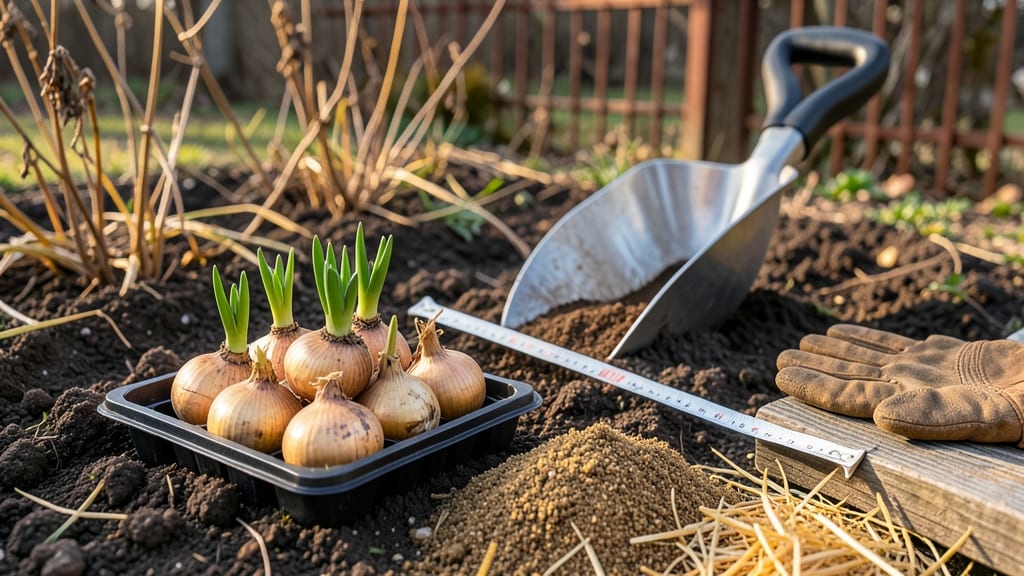
Planting tulip bulbs 🌷 at the wrong time in New Jersey can mean the difference between a vibrant spring display and wasted effort. With our unpredictable climate—where Zone 6a-7b winters swing between early freezes and mild spells—getting the timing right is the key to those perfect blooms you’re dreaming of.
Most gardeners assume "fall planting" means anytime between September and November, but in NJ, that window narrows dramatically. Plant too early, and your bulbs may rot in cold, damp soil; too late, and they won’t root deeply enough before winter sets in.
The ideal moment? When soil temperatures drop below 60°F but before the ground freezes solid—typically mid-October to early November.
What makes NJ unique is its microclimates: North Jersey’s shorter growing season, South Jersey’s longer frost-free periods, and coastal areas with milder winters. I’ll break down exactly how to adjust your planting schedule based on where you live, plus pro tips to protect your bulbs from voles and unpredictable weather.
Ready to ensure your tulips burst into bloom next spring? Let’s dive into the perfect planting strategy tailored just for New Jersey gardeners—so you can skip the guesswork and enjoy the results.
New Jersey tulip planting timeline: exact dates based on frost zones
New Jersey’s microclimates create a tricky puzzle for tulip lovers—what works in North Jersey’s Zone 6b might fail in South Jersey’s Zone 7a. The key? Planting when soil temps hit 40-50°F and 6-8 weeks before first frost.
Coastal areas like Cape May add another layer, with milder winters pushing planting dates later. Let’s break it down by region so your 🌷 tulips bloom like clockwork next spring.
First, check your last average frost date—this is your deadline. In North Jersey, that’s typically November 15, while South Jersey holds off until November 25. Coastal areas? You might plant as late as December 1.
But don’t wait too long—bulbs need 4-6 weeks to root before winter sets in. Miss this window, and you’ll get weak stems or no blooms at all.
Soil temperature is non-negotiable. Tulip bulbs rot if planted in cold, wet soil (below 40°F). Use a soil thermometer—ideal temps are 40-50°F, which usually arrives in mid-to-late October across NJ.
Pro tip: In Zone 6b, aim for October 15-30; in Zone 7a, wait until November 1-15. Coastal areas? November 10-25 works best.
Here’s the comparison-table for NJ’s three key regions—bookmark this for next year!
| Region | USDA Zone | Ideal Planting Window | Soil Temp Requirement | First Frost Date | Adjust for Early/Late Winter |
|---|---|---|---|---|---|
| North Jersey | 6b | Oct 15–Nov 1 | 40–50°F | Nov 15 | Wait 1 week if early frost predicted |
| Central Jersey | 6b-7a | Oct 25–Nov 10 | 40–50°F | Nov 20 | Plant by Nov 1 if mild winter forecast |
| South Jersey | 7a | Nov 1–Nov 15 | 45–50°F | Nov 25 | Can plant as late as Dec 1 in mild years |
| Coastal NJ | 7a | Nov 10–Dec 1 | 45–50°F | Dec 1–5 | Prioritize well-draining soil |
Need a quick frost-date calculator? Subtract 6 weeks from your region’s first frost date. For example, if your frost date is November 20, plant by October 1.
Use the National Weather Service or Almanac.com for your town’s exact dates—NJ’s microclimates can vary by 10+ days just 20 miles apart. Always err on the earlier side if unsure.
What if NJ’s winter is unusually mild or harsh? Adjust your timeline by 1-2 weeks. For early winters (like 2023), plant by mid-October in North Jersey. For late winters, push to early November. Pro move
How to prepare tulip bulbs for New Jersey’s climate before planting
New Jersey’s clay-heavy soils and unpredictable winters demand extra prep before planting tulip bulbs 🌷. Unlike sandy soils, clay holds moisture too long, risking bulb rot, while our Zone 6a-7b climate means bulbs need proper chilling to bloom reliably.
The key? Amending soil, timing storage correctly, and protecting bulbs from hungry voles and squirrels—a common NJ problem.
Start by testing your soil’s drainage. If water pools after 6 hours, mix in compost or sand (1 part to 3 parts soil) to improve aeration. For heavy clay, consider raised beds—especially in North Jersey’s wetter microclimates.
Aim for a pH of 6.0-7.0, as tulips thrive in slightly acidic to neutral soil.
- ✓ Soil Prep: Amend clay soil with compost + perlite (1:1 ratio) to prevent waterlogging.
- ✓ Storage for Late Planters: Store bulbs in cool (40-50°F), dark place (like a garage) until soil temps drop below 60°F.
- ✓ Vole/Squirrel Protection: Use hardware cloth (1/4-inch mesh) around planting area or castor oil pellets as a deterrent.
- ✓ Planting Depth: Bury bulbs 6-8 inches deep (deeper in sandy soil, shallower in clay) with pointy end up.
- ✓ Spacing: Space bulbs 4-6 inches apart (closer for dwarf varieties) to allow airflow and reduce disease risk.
If you’re planting late (after mid-November), store bulbs in a paper bag with peat moss in your fridge’s crispier drawer until spring. This mimics winter chilling—critical for blooming. For coastal NJ gardeners, where winters are milder, plant bulbs 2-3 weeks later than inland areas to avoid premature sprouting.
Protect bulbs from voles and squirrels by wrapping planting areas in hardware cloth (not chicken wire—it’s too easy to chew through). In South Jersey’s sandy soils, add a 1-inch layer of coarse sand around bulbs to deter digging. Water lightly after planting to settle soil, but avoid soggy conditions.
Finally, mark your planting spots with biodegradable flags—NJ’s snow cover can obscure beds, and you’ll want to avoid disturbing bulbs in spring. With these steps, your tulips will root deeply and bloom vibrantly next spring, despite NJ’s quirks.
Ready to plant? Grab your gloves and bulbs—your spring garden is just a few weeks of prep away! 🌱