
How To
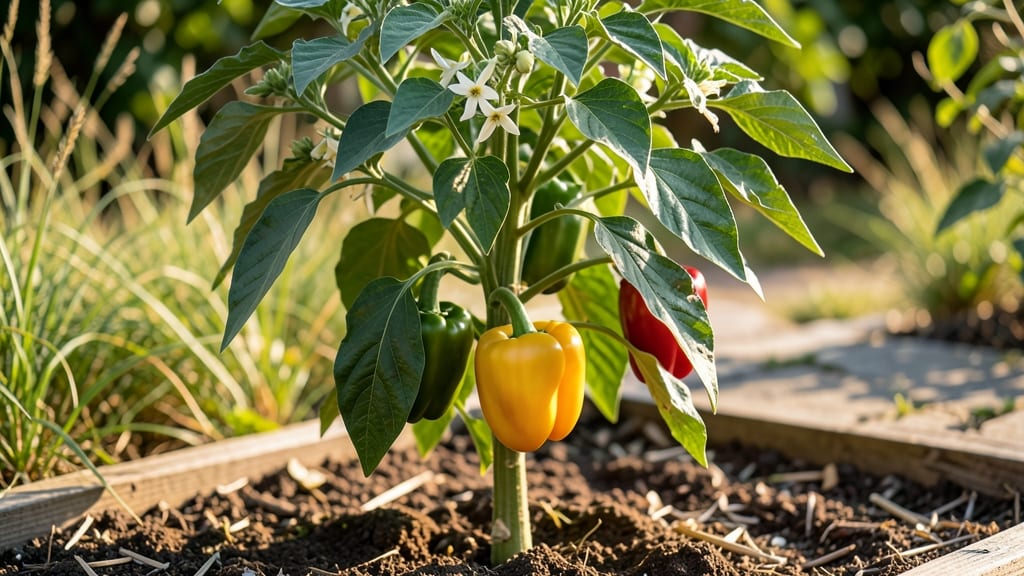
If you’ve ever wondered how tall a bell pepper plant can grow in your small balcony or backyard, the answer depends on one key factor: variety.
Some types stay compact enough for containers, while others stretch toward the sky like sun-seeking giants—knowing the difference could mean the success of your harvest.
Bell peppers typically range from 1 to 4 feet tall, but dwarf varieties like 'Jupiter' max out at just 2 feet, while standard types like 'Monarch' can easily hit 5 feet or more if left unchecked.
That’s a huge difference when planning your garden layout or deciding whether to invest in trellises or cages.
For home gardeners in USDA Zone 6a, where spring planting kicks off in April, choosing the right variety isn’t just about height—it’s about space efficiency.
A 3-foot-tall plant needs at least 18 inches of spacing, while taller varieties may require vertical support to prevent sprawling and maximize yield in limited areas.
Whether you’re working with a sunny windowsill or a full garden bed, understanding these growth patterns lets you tailor your approach—from pruning tips to trellising tricks—to get the most out of your peppers without sacrificing space or health.


Bell pepper plant heights by variety: compact to towering giants
When planning your bell pepper garden, one of the first questions I ask is: how tall will these plants grow? The answer varies wildly—from dwarf varieties that stay under 2 feet to towering giants reaching over 5 feet.
Understanding these differences helps you choose the right variety for your space and avoid overcrowding or wasted effort.
Bell peppers fall into two main growth categories: bush (determinate) and indeterminate. Bush types grow to a fixed height and stop producing new growth after fruiting, while indeterminate varieties keep growing and producing until frost. This distinction directly impacts your garden layout and support needs.
For example, the 'Jupiter' variety stays compact at 36-48 inches, making it ideal for containers or small gardens. Meanwhile, 'Monarch' can stretch to 60+ inches, requiring sturdy trellises or cages. Knowing these heights helps you plan spacing, trellising, and even companion planting strategies.
If you're working with limited space, bush varieties like 'Lunchbox' or 'Aristotle' are perfect for container gardening or small plots. Their compact size means you can fit more plants in a tight area, but they’ll produce all their fruit at once, so plan for a single harvest window.
On the other hand, indeterminate varieties like 'Monarch' or 'Carmen' thrive when given vertical support. These giants can produce peppers all season long if properly trellised, but they need sturdy structures to avoid toppling over.
I’ve seen 'Monarch' plants reach 5-6 feet in ideal conditions, so don’t skimp on trellis height!
For container gardening, prioritize dwarf or semi-dwarf varieties like 'Jupiter' or 'Aristotle'. A 5-gallon pot is ideal for these, but ensure it has drainage holes to prevent root rot. Larger containers (10+ gallons) can accommodate slightly taller varieties like 'Carmen' if you provide a small trellis inside the pot.
When planting in ground beds, space bush varieties 18-24 inches apart and indeterminate types 24-36 inches apart. Overcrowding stunts growth and increases disease risk. I once planted 'Monarch' peppers too close together, and their heights became a tangled mess—lessons learned!
Pro tip: If you love the idea of tall peppers but lack vertical space, consider pruning indeterminate varieties. Pinch off the top buds to encourage bushier growth and shorter stature. Just don’t prune too aggressively, or you’ll reduce fruit production.
Finally, remember that height isn’t the only factor—branch spread matters too. Some varieties like 'Jupiter' have a wider canopy than their height suggests, so account for that when planning your garden layout. A well-organized space leads to healthier plants and bigger harvests!
Space-saving techniques for tall vs. short bell pepper plants
Not all bell pepper plants are created equal when it comes to space needs. Tall indeterminate varieties like 'Monarch' can reach 60+ inches, while compact bush types like 'Patio' stay under 24 inches.
The key to maximizing your harvest in small spaces lies in understanding these growth patterns and adapting your gardening approach accordingly.
For tall varieties, vertical gardening transforms what could be a space hog into a yield-maximizing vertical garden. Meanwhile, short varieties thrive in containers or tight garden beds, making them perfect for balconies or small backyards.
Let’s explore the best strategies for each type to ensure your peppers grow healthy and productive without overcrowding your garden.
Space-Saving Strategies by Plant Type
- 🌿 Compact Varieties (18-24 inches): Use 5-gallon containers or raised beds with 12-18 inches spacing. Ideal for balconies or patios.
- 🪴 Semi-Dwarf Varieties (24-36 inches): Plant in large pots (10+ gallons) or small trellises for support. Space 18-24 inches apart in garden beds.
- 🌳 Tall Indeterminate Varieties (36+ inches): Use vertical trellises or cages to save space. Train vines upward, spacing plants 24-36 inches apart.
- ✂️ Pruning Tips for All Types: Remove suckers (side shoots) to focus energy on fruit production. Prune lower leaves to improve airflow and reduce disease.
- 🌱 Companion Planting: Pair tall peppers with shallow-rooted companions like basil or lettuce. Avoid planting near fennel or beans, which can stunt growth.
When choosing containers for short varieties, opt for deep pots with drainage holes to prevent root rot. For tall varieties, install trellises early—as soon as plants reach 12 inches tall—to avoid damaging roots later.
Use soft ties like old T-shirts or horticultural tape to secure vines without cutting into stems.
Another clever trick? Interplanting short and tall varieties in the same space. For example, place dwarf peppers at the front of a raised bed and let taller varieties climb a trellis at the back. This creates a multi-level harvest while keeping your garden organized and efficient.
Finally, don’t underestimate the power of companion planting. Tall peppers benefit from being paired with low-growing herbs like thyme or oregano, which deter pests without competing for space. Just avoid planting near tomatoes or eggplants, as they share diseases like blight.
With these space-saving techniques, you can grow abundant bell peppers—whether you have a tiny balcony or a sprawling backyard. Experiment with different varieties and supports to find what works best for your unique growing conditions. Happy gardening! 🌶️