
Plants
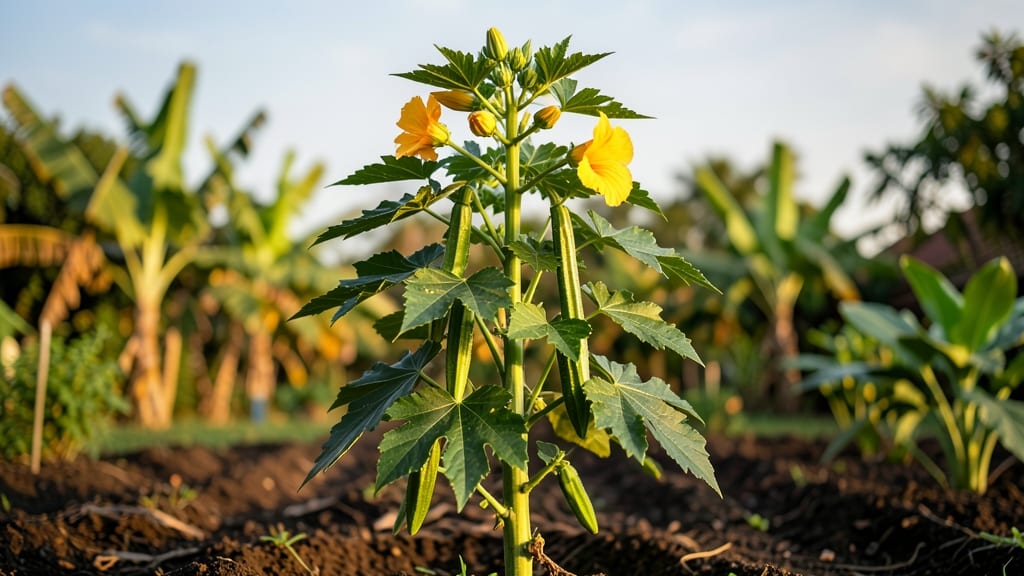
Wondering how tall does an okra plant grow this summer? The answer depends on the variety you choose, as these 🌱 powerhouses can stretch anywhere from 3 feet to towering 10 feet—with some varieties even surpassing your doorframe!
If you're working with limited space, dwarf okra varieties (like 'Burgundy' or 'Emerald') stay compact at 3–5 feet, making them perfect for containers or small gardens. Meanwhile, standard types like 'Clemson Spineless' can shoot up to 8 feet or more if given plenty of sun and room to grow.
The key to controlling height lies in your growing conditions. Warm climates in USDA Zone 6a and beyond encourage rapid growth, while pruning or trellising can help manage sprawling varieties. I’ll show you exactly how to keep your plants at your ideal height—whether you want them climbing or contained.
Ready to plan your okra patch? Let’s break down the best varieties for your space and how to nurture them for maximum yield—no matter how tall (or short) you want them to be.


Okra plant height by variety: compact vs tall growing options
Choosing the right okra variety starts with understanding their height ranges. Some varieties stay compact at just 2-3 feet, while others can tower over 6 feet, making them perfect for tall gardens or trellises. Your garden space and growing goals will determine which type suits you best.
For small gardens or containers, dwarf varieties like 'Burgundy' or 'Emerald' are ideal, reaching only 3-4 feet tall. These varieties produce plenty of pods without taking up much space, making them perfect for urban gardeners or balcony setups.
On the other end of the spectrum, tall varieties like 'Clemson Spineless' or 'Jinhee' can grow 8-10 feet tall, producing massive yields if given enough room. These are best suited for larger backyards or when using trellising systems to save space.
Here’s a quick comparison of popular okra varieties by height to help you decide:
When planting okra, spacing is crucial for airflow and yield. Dwarf varieties need 12-18 inches apart, while tall types should have 3-4 feet of space to avoid overcrowding and disease. Proper spacing also makes harvesting easier and improves pod quality.
If you're growing okra in containers or small spaces, consider pruning to control height. Pinch back the top growth when plants reach 3-4 feet to encourage bushier growth and more pod production. This works especially well for varieties like 'Emerald' or 'Burgundy'.
For maximum yield in tall varieties, use sturdy trellises or stakes. Okra vines can get heavy with pods, so opt for metal or wooden supports that can handle the weight. This not only saves space but also makes harvesting easier and keeps pods cleaner.
Remember, okra thrives in warm climates and needs plenty of sunlight. If you're in a cooler region, choose shorter varieties like 'Burgundy' to ensure they mature before frost. Always check your local last frost date and plant accordingly.
With the right variety and spacing, your okra plants will flourish—whether they're compact beauties or towering giants. Happy gardening! 🌱
How growing conditions affect okra height and productivity
Okra thrives under the right conditions, and its height and productivity depend heavily on sunlight, soil quality, temperature, and watering practices. In ideal settings, okra can reach 6 to 10 feet tall, but even dwarf varieties can grow 3 to 5 feet with proper care.
Understanding these factors helps you maximize growth, whether you're working with a small container garden or a large backyard.
Sunlight is the most critical factor—okra needs 6 to 8 hours of direct sun daily to grow tall and produce abundant pods.
Without enough light, plants become leggy and weak, reducing both height and yield. Soil quality also plays a role: well-draining, nutrient-rich soil supports stronger stems and healthier foliage, while poor soil can stunt growth. Temperature matters too; okra loves warm climates (70–90°F) and struggles in cooler conditions.
Here’s how key growing conditions influence okra height and productivity:
If you’re growing okra in containers or small spaces, focus on dwarf varieties like 'Burgundy' or 'Emerald' (3–5 feet tall). These thrive in 5-gallon pots with proper sunlight and watering.
For taller varieties like 'Clemson Spineless' (8–10 feet), ensure you have 6+ feet of vertical space and stake or trellis the plants to prevent sprawling. In cooler climates, opt for early-maturing varieties and extend the season with row covers.
Watering plays a surprising role in height—okra plants grown with inconsistent moisture often develop weak stems and shorter stature. Aim for 1–1.5 inches of water weekly, delivered deeply to encourage strong root development.
Mulching around the base helps retain moisture and keeps roots cool, which is especially important in hot, dry climates. Avoid overhead watering, as wet foliage can lead to fungal issues like powdery mildew, which weakens the plant.
For maximum productivity, combine these conditions with regular fertilization (every 4–6 weeks) using a balanced 10-10-10 formula. Prune leggy stems to redirect energy to pod production, and harvest pods frequently to encourage continuous growth.
With the right conditions, your okra plants will reach their full potential—whether that’s a compact 3-foot bush or a towering 10-foot giant.