
Flowers
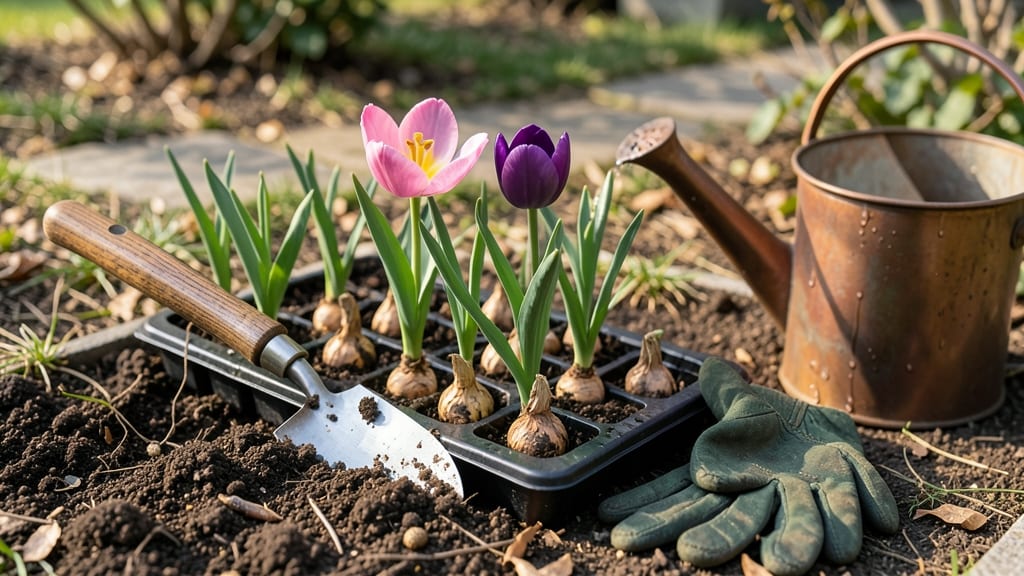
Timing your spring flower planting just right can transform your garden from a patch of mud to a burst of color—but get it wrong, and you might end up with frost-bitten seedlings instead.
The key isn't just waiting for warmer weather; it's understanding your local frost dates and soil conditions to give those 🌸 blooms the best start.
In Zone 6a, where many gardeners live, the average last frost hits around mid-April, but that doesn't mean you should rush out with your trowel.
Planting too early can leave delicate flowers vulnerable to late cold snaps, while waiting too long might mean missing the ideal window for full-season blooms. The secret lies in balancing patience with preparation.
I’ve learned the hard way that soil temperature matters just as much as air temperature—50°F is the magic number for most spring flowers to thrive.
That’s why I’ll walk you through exactly when to plant, how to test your soil, and which varieties are tough enough to handle a little chill. Let’s make sure your garden gets off to the right start.
Whether you’re a first-time gardener or a seasoned pro, these insights will help you avoid common mistakes and set your flowers up for a long, vibrant season. Ready to dig in?
USDA Zone planting calendar: exact weeks after last frost for spring flowers
Spring flowers crave precise timing—plant too early and frost will nip them; too late and you miss peak blooms. The key is knowing your USDA zone and counting weeks after last frost.
In Zone 3, cold snaps linger until early June, while Zone 11 gardeners might start as early as February. Let’s break down the exact windows for annuals vs perennials and regional favorites.
For annual flowers like marigolds or zinnias, wait until your zone’s average last frost date has passed. Perennials like peony or black-eyed Susan can handle cooler soil, so they get a 2-3 week head start.
Always verify your local frost dates—microclimates (like urban heat islands) can shift timing by 1-2 weeks.
⚠️ NON-NEGOTIABLE: Soil temperature matters more than air temperature. Use a soil thermometer—most flowers need soil at 50°F+ to thrive. Cold soil slows root growth, making plants vulnerable to disease.
In Zone 5-6, where I garden, I plant tulip bulbs in October (6 weeks before frost) but wait until late April for annuals like petunias. A hard freeze in March 2022 taught me to delay zinnias until mid-May—even if the air feels warm, soil stays cold.
Use a frost clock app to track local trends.
For perennials, like daylilies or hostas, divide and replant in early spring (Zone 5: April 1–15) or early fall (Zone 5: September 15–October 1).
These hardy plants bounce back from frost, but tender perennials like canna lilies need to wait until after May 15 in Zone 6.
Pro tip: Start seeds indoors 6–8 weeks before your last frost date. Marigolds and basil (yes, it’s a flower magnet!) germinate faster in 70°F soil.
Use a heat mat if your zone’s spring soil lingers below 55°F. My 2023 snapdragons sprouted in 10 days with this trick—double the speed!
If you’re in Zone 7-8, don’t rush—early March is prime for pansies and sweet peas. These cool-season lovers handle light frosts (28°F) but bolt in summer heat.
In Zone 9-10, plant tropical flowers like hibiscus in February to beat the June heatwave. Always mulch after planting to lock in
How to time your planting for maximum blooms: soil temperature vs air temperature
Spring’s unpredictable weather can leave even experienced gardeners guessing about the perfect planting window. While air temperature might feel mild, your soil temperature is the true indicator of when flowers can thrive.
Most spring-blooming flowers need soil that’s warmed to at least 50°F (10°C)—this rule applies to everything from pansies to petunias. Cold soil slows root growth, leaving plants vulnerable to rot or frost damage even if the air feels spring-like.
Don’t rely solely on last frost dates—soil warms slower than air, especially in northern climates.
For example, in USDA Zone 6a, air might hit 60°F by early April, but soil could still be hovering at 40°F. This mismatch is why many gardeners see their marigolds or zinnias struggle when planted too early.
Testing your soil’s temperature with a simple soil thermometer (just $10 at garden centers) takes the guesswork out of timing.
Cold snaps can derail even the best-laid planting plans. If a late frost warning appears in your forecast after you’ve planted tender annuals like geraniums or begonias, protect them with frost cloths or row covers.
For hardy perennials such as coneflowers or black-eyed Susans, a light frost won’t harm established roots, but young seedlings need shelter. I’ve learned the hard way—last year’s zinnias wilted overnight after a 28°F dip just two weeks post-planting!
Not all flowers play by the same rules. Cold-hardy annuals like pansies and snapdragons can handle soil temps as low as 40°F, while tender perennials like canas or dahlias need soil above 60°F to thrive.
Check seed packets for minimum soil temperature requirements—this small detail saves hours of frustration. For example, calendulas (45°F) are far more forgiving than impatiens (60°F+).
Adjust your planting strategy based on your local microclimate. South-facing beds warm faster than north-facing ones, and raised beds heat up 2-3 weeks earlier than in-ground soil. If your yard has shaded spots, opt for shade-tolerant bloomers like impatiens or coleus, which can handle cooler soil.
I’ve even planted violas in partial shade as early as mid-March in Zone 7b, while full-sun sunflowers wait until late April.
Once your soil hits 50°F consistently, act fast! Seedlings and transplants will establish roots more quickly in warm soil, leading to earlier blooms and healthier plants. For a head start, pre-warm your soil by covering beds with black plastic mulch 1-2 weeks before planting.
This trick has helped my petunias bloom a full week earlier than neighbors who wait for "perfect" conditions. The key? Balance patience with action—soil temperature is your garden’s true green light.
Pro tip: Pair your soil thermometer with a 5-day forecast to avoid planting during predicted rain or cold snaps. I keep a small notebook near my gardening tools to track soil temps and note which flowers thrive in my zone.
This year, my marigolds are already 6 inches tall—all thanks to planting them when the soil hit 52°F and staying frost-free for 10 days afterward. Your blooms will thank you!