
Plants
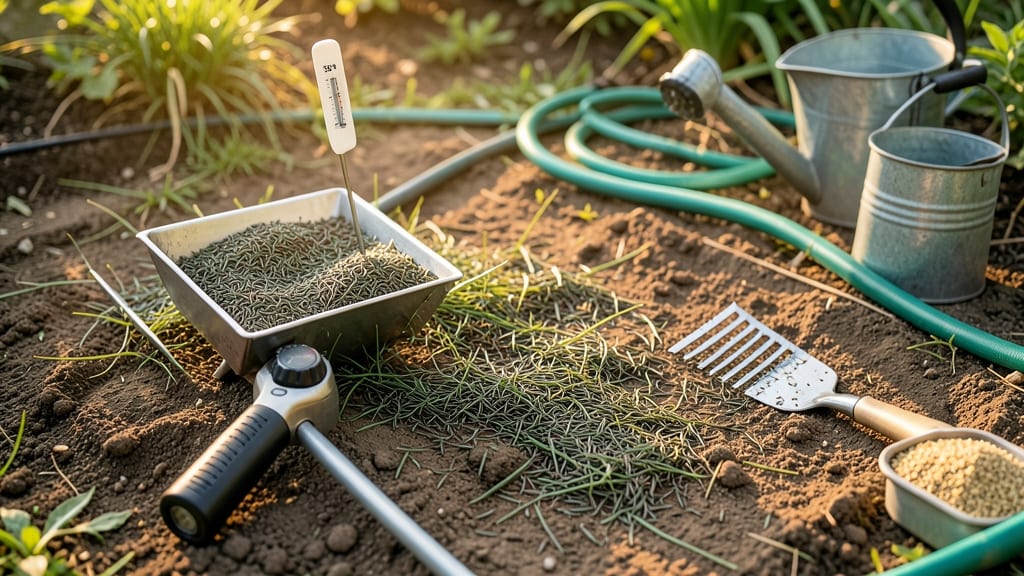
Planting grass seed in Colorado at the wrong time can turn your green dreams into a patchy, brown disappointment—especially when late frosts or scorching sun derail your plans. The perfect window depends on your elevation, whether you're in the Front Range or Western Slope, and even your local microclimate.
I’ve seen firsthand how a just-right timing transforms a lawn from sparse to lush, while off-schedule planting leads to wasted seed and extra work. Colorado’s dramatic elevation shifts mean what works in Denver won’t necessarily suit Colorado Springs or the high country.
In this guide, I’ll break down the exact frost-free periods for your zone, soil prep secrets, and when to avoid planting—plus the best grass seed types for Colorado’s climate. No more guessing whether your lawn will thrive or just survive.
Let’s get your grass off to the strongest start possible, with zero wasted effort and maximum results. Ready to dig in?
Colorado grass seed planting dates by elevation Zone (2024 guide)
Colorado’s dramatic elevation changes create wildly different planting windows for grass seed. At 3,000 feet in Denver, you’ll plant weeks earlier than at 9,000 feet in the mountains. The key is matching your yard’s elevation to soil temperatures (ideal: 55-65°F) and frost-free dates.
Get this wrong, and your seed could rot from late frosts or fail to germinate in cold soil.
Most Colorado lawns thrive with cool-season grasses like Kentucky bluegrass and tall fescue. These varieties need consistent moisture and moderate temperatures to establish roots before summer heat arrives. Plant too early, and frost will kill tender sprouts. Too late, and weeds will outcompete your grass.
Here’s your elevation-based planting guide, including Denver vs. Colorado Springs variations and late frost risks for each zone:
For Denver metro areas, aim for April 15–May 15 in spring. The city’s urban heat island effect can push soil temps into the ideal range 1–2 weeks earlier than rural areas. Use a soil thermometer to confirm—seed won’t germinate below 50°F.
Colorado Springs experiences earlier springs but also stronger late frosts due to its high-desert climate. Wait until after May 15 for spring plantings, or risk 30% seed loss from overnight freezes. Fall plantings here can extend until September 30, as nights cool gradually.
At high elevations (7,000+ ft), prioritize fall planting (September–October) to avoid summer drought stress. Mountain soils stay cooler longer—wait until soil reaches 45°F and daytime highs exceed 60°F. Use starter fertilizer with phosphorus to boost root growth in short seasons.
Pro tip: Test your soil’s pH level before planting. Colorado’s alkaline soils often need sulfur amendments (aim for pH 6.0–7.0) to help grass seeds absorb nutrients. A simple $20 soil test kit from your local Cooperative Extension office saves headaches later.
Remember: Watering depth matters more than frequency in Colorado’s dry climate. After planting, water ½ inch daily for the first 2 weeks to keep soil moist but not soggy. Use a rain gauge to track—most sprinklers overwater by 30–50%.
🌱
How to adjust planting timing based on Colorado’s microclimates
Your neighbor’s perfectly timed grass seed planting might fail in your yard because Colorado’s microclimates create wildly different growing conditions—sometimes just blocks apart. Urban heat islands in Denver can bake soil faster than rural areas, while high-elevation yards near Pikes Peak face late frosts well into June.
Even wind exposure shifts germination rates by 30% or more.
I’ve seen drought-resistant grass thrive in one yard while wilting in another just a mile away—all because of local soil drainage or afternoon sun intensity. The key is using USDA hardiness zones as a starting point, then fine-tuning with your yard’s specific conditions.
Let’s break down how to adjust your planting schedule for real results.
- Urban Heat Islands: Denver metro areas can be 5-10°F warmer than suburbs. Plant 2-3 weeks earlier (late April) if your soil heats up fast.
- Wind Exposure: Yards facing prevailing westerlies (common in Western Slope) need windbreaks or hardier seed mixes like Kentucky Bluegrass blends.
- Soil Drainage: Clay-heavy soils in Colorado Springs retain moisture longer—wait until soil temps hit 55°F+ before planting.
- Elevation Adjustments: Add 10-14 days to planting dates for every 1,000 ft above 5,000 ft (e.g., 7,000 ft = late May).
- Drought-Resistant Alternatives: For high-elevation yards (>8,000 ft), use Fine Fescue or Wheatgrass mixes—they germinate at 45°F+.
Start by checking your USDA zone (Colorado ranges from Zone 4 to Zone 7) and cross-reference it with your yard’s microclimate traits. For example, a Zone 5 yard in Fort Collins might align with a Zone 6 schedule in Loveland if it’s in a sun-exposed valley.
Test your soil’s moisture retention by digging a 6-inch hole—if water pools after 24 hours, you’re in a low-drainage area and should plant 1-2 weeks later than the general calendar. Conversely, sandy soils in Boulder dry out fast, so plant earlier (early April) to capitalize on spring moisture.
For high-elevation areas (>7,500 ft), consider fall planting (late August) instead of spring. Cooler nights and consistent moisture reduce drought stress, and seeds germinate as summer heat fades. Just use cool-season blends like Tall Fescue or Creeping Red Fescue.
Pro tip: Use a soil thermometer to confirm 50°F+ soil temps before planting—this beats guessing. Pair it with a local frost date tracker (like the National Weather Service alerts) to avoid late frosts. With these adjustments, your lawn will outperform your neighbor’s—guaranteed. 🌱