
Plants
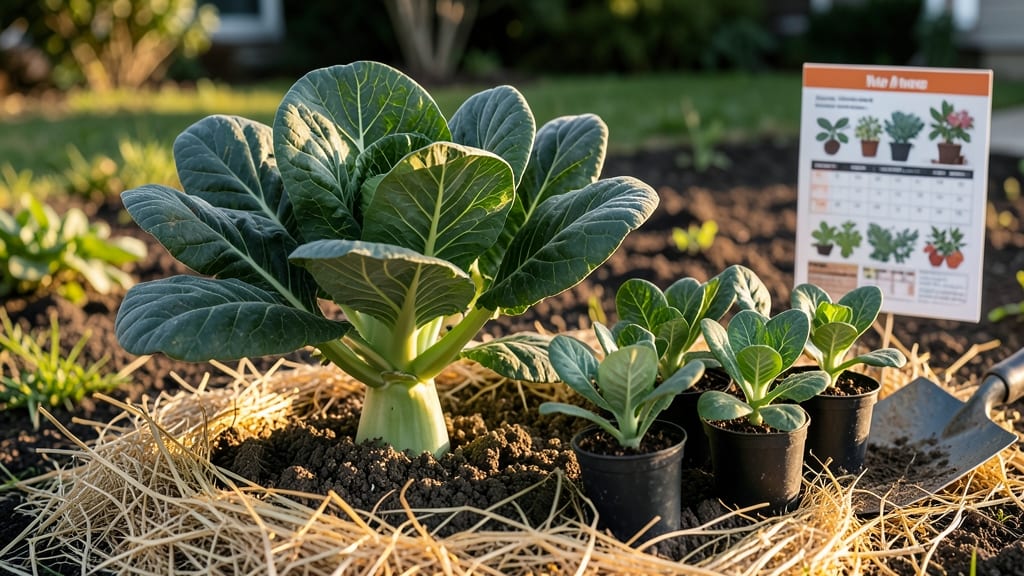
Planting collards in Florida isn’t as simple as tossing seeds in the dirt—timing is everything to avoid bitter leaves or stunted growth, especially when the heat never really lets up.
The key to success lies in understanding Florida’s unique climate, where frost is rare but summer’s relentless sun can still stress your plants if you’re not careful.
Unlike northern gardeners, you don’t have to wait for spring or fear frost—collards thrive year-round in Florida’s 9a-11 zones, but the best harvests come when you align planting with cooler months.
Whether you’re a seasoned gardener or just starting, knowing the exact windows to plant will mean the difference between crisp, flavorful 🥬 and tough, disappointing greens.
In this guide, I’ll break down the ideal planting months for Florida, including how to extend your harvest through winter and avoid common pitfalls like bolting. You’ll also discover soil prep tips and care tricks tailored to Florida’s humidity, so your collards grow lush and productive all season long.
Ready to grow collards that taste as good as they look? Let’s dive into the timeline that’ll give you a steady supply of these nutrient-packed greens—no matter the Florida heat.
Florida heat Zone planting timeline for collards (avoiding bolting & bitterness)
Florida’s year-round growing season makes collards one of the easiest greens to cultivate, but timing is everything to avoid bitter leaves or premature bolting. Unlike northern climates, Florida’s heat zones 8-11 allow for multiple planting windows, but heat stress and humidity create unique challenges.
The key? Planting during cooler months while still taking advantage of Florida’s mild winters.
Collards thrive in fall and winter when temperatures stay between 60-75°F, but even in Florida’s warmest zones, summer planting is possible with proper shade and water management. For Zone 8a (northern Florida), where light frosts occasionally occur, timing shifts slightly to avoid early cold snaps.
Meanwhile, Zone 11 (south Florida) can grow collards year-round with minimal stress.
Here’s your month-by-month planting guide, tailored to Florida’s heat zones, to ensure sweet, tender collards without the bitterness or bolting that plagues off-season plantings.
For Zone 8a gardeners, the August–September window is critical—planting too early risks heat stress, while late starts may not mature before cooler weather arrives.
In Zone 11, where frost is rare, you can plant collards year-round, but summer heat (above 90°F) will make leaves bitter unless you provide afternoon shade.
Transplanting is key to success. Start seeds indoors 4–6 weeks before your zone’s ideal transplant date, or buy 6-week-old seedlings from local nurseries. Harden off seedlings for 7–10 days before moving them outside to avoid transplant shock.
In Florida’s humidity, well-draining soil is non-negotiable—amend with compost and consider raised beds in heavy clay areas.
To extend your harvest, use succession planting every 2–3 weeks during your zone’s ideal window. For example, in Zone 9a, plant one batch in late September and another in early February to ensure continuous harvests.
Mulch with straw or pine needles to retain moisture and regulate soil temperature, which is especially helpful in Florida’s hot, dry summers.
Watch for bolting signs like tall stems and yellowing leaves—this happens when collards experience heat stress (above 85°F) or long daylight hours. If you see bolting, harvest immediately and avoid planting in peak summer months.
In Zone 10b and 11, where heat persists longer, opt for heat-tolerant varieties like Vates or Georgia Southern for better success.
Harvest begins 60–90 days after transplanting, but you can start picking outer leaves as soon as they reach 6 inches to encourage bushier growth
How to choose collard varieties for Florida’s climate (heat-tolerant vs. cold-hardy)
Florida’s humid heat and mild winters demand collard varieties that can handle both extremes. While some types bolt in summer, others thrive year-round—knowing the difference means sweeter harvests and fewer bitter leaves.
The right variety can make all the difference between a struggling plant and a bountiful garden that produces through Florida’s 9a-11 heat zones.
Not all collards are created equal. Heat-tolerant varieties like Vates and Georgia Southern stay productive in Florida’s summer, while cold-hardy types like Top Bunch shine in winter. Your choice depends on whether you prioritize summer harvests or winter resilience.
For example, in Zone 11, where frost is rare, heat-tolerant varieties are your best bet, while Zone 8a gardeners should focus on cold-hardy types to avoid winter damage.
Heat-Tolerant Varieties
- ✅ Vates: Thrives in 90°F+ heat; sweet leaves even in summer
- ✅ Georgia Southern: Disease-resistant in humidity; great for Zone 10-11
- ✅ Champion: Fast-maturing (50 days); ideal for succession planting
Cold-Hardy Varieties
- ✅ Top Bunch: Cold-tolerant to 25°F; best for Zone 8a-9a winters
- ✅ Blue Max: Blue-green leaves stay crisp in cool weather
- ✅ Georgia Collards: Classic heirloom; handles light frosts well
🌱 Pro Tip: Mix varieties! Plant Vates for summer and Top Bunch for winter to ensure year-round harvests.
If you’re growing in south Florida (Zone 10-11), prioritize heat-tolerant varieties like Vates, which maintains its sweet flavor even when temperatures soar. This variety is my go-to for summer plantings because it resists bolting and produces large, tender leaves despite the heat.
For central and north Florida (Zone 8a-9b), where winters dip below 40°F, Top Bunch is unbeatable—its cold-hardy nature ensures survival, and it tastes even sweeter after a light frost.
For year-round success, consider Georgia Southern, a hybrid that balances heat tolerance and disease resistance. It’s perfect for Florida’s humid summers and won’t bolt like other varieties.
When planting, space heat-tolerant types like Vates 18 inches apart to allow airflow, while cold-hardy varieties like Top Bunch can be planted 12 inches apart since they grow more compactly. Mulch with straw or pine needles to keep roots cool in summer and insulated in winter.
One common mistake is assuming all collards are the same. Top Bunch, for example, bolts quickly in summer, while Vates stays productive. If you’re in Zone 9a or higher, avoid planting cold-hardy varieties in summer—they’ll wilt and bolt under the stress.
Instead, save them for fall and winter and switch to heat-tolerant types when temperatures rise above 85°F.
Harvesting tips vary by variety too. Heat-tolerant collards like Georgia Southern can be harvested every 2 weeks in summer, while cold-hardy types like Blue Max may need 3–4 weeks between harvests in winter to recover.
Always pick outer leaves first to encourage bushier growth, regardless of the variety. With the right choices, you’ll enjoy crisp, flavorful collards from spring through fall—no matter where you are in Florida.