
Plants
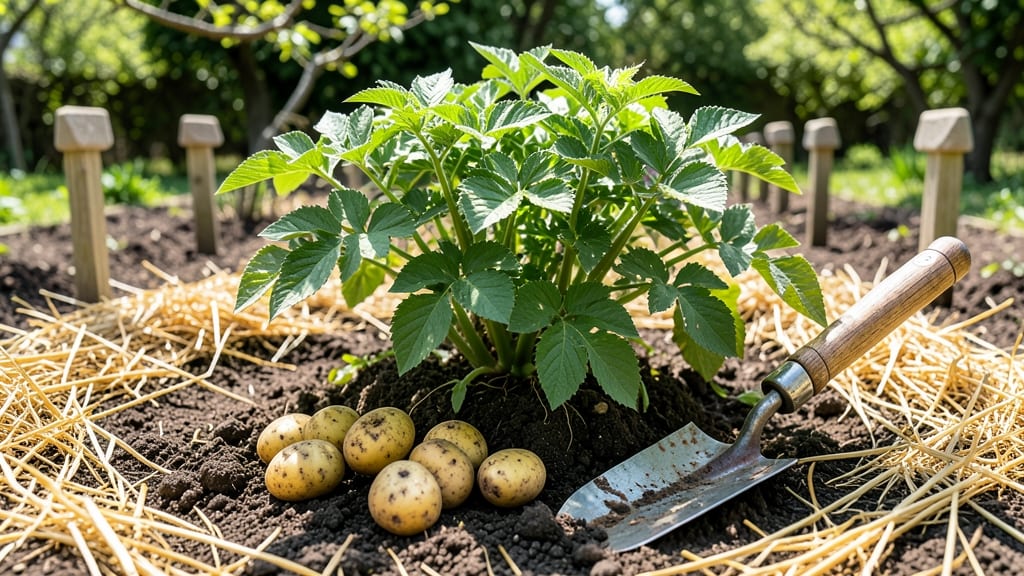
Timing when you can plant potatoes in Colorado can make the difference between a bountiful harvest and a lost crop—especially when frost dates shift dramatically across elevation zones.
Whether you're gardening in Denver's 5b or the mountains' 4-7, getting the schedule wrong means risking blackened sprouts or stunted growth before harvest season.
Most Colorado gardeners know spring is the prime window, but the exact dates depend on your location. Plant too early, and late frosts will damage tender shoots; too late, and your harvest shrinks.
The key is understanding your last frost date—typically around April 15 in lower elevations but weeks later in higher altitudes—and adjusting your planting schedule accordingly.
Here’s what you need to know: Mid-March to mid-April is ideal for spring planting, while late August to early September works for fall crops. But don’t stop there—soil temperature, elevation, and even early vs. late varieties play a role in maximizing your yield.
Let’s break down the precise planting windows for your Colorado zone, plus pro tips to protect your crop from frost, heat, and disease. By the end, you’ll know exactly when to plant for a successful harvest—no guesswork required.
Colorado potato planting dates by elevation zone (2024 guide)
Colorado’s dramatic elevation shifts—from the Eastern Plains to the Rocky Mountains—create wildly different potato planting windows. In Denver (5,280 ft), you might plant by mid-April, while Aspen (7,800 ft) gardeners wait until late May.
These timing differences are critical: plant too early, and a late frost will kill your crop; too late, and you’ll miss the 90-day harvest window before Colorado’s first frost in October.
To simplify, I’ve broken Colorado into three key elevation zones: Lowlands (3,000–5,000 ft), Foothills (5,000–7,000 ft), and Mountains (7,000+ ft). Each zone has distinct last-frost averages, USDA hardiness zones, and ideal planting windows.
Below, you’ll find precise dates, risk mitigation tips, and variety recommendations tailored to your elevation.
| Elevation Zone | USDA Zone | Avg. Last Frost | Ideal Planting Window | Risk Mitigation | Best Varieties |
|---|---|---|---|---|---|
| Lowlands (3,000–5,000 ft) | 5b–6a | March 20–April 15 | Mid-March to early April (soil at 45°F+) | Black plastic mulch; row covers for late frosts | Yukon Gold, Red LaSoda, Kennebec |
| Foothills (5,000–7,000 ft) | 4b–5a | April 1–April 30 | Late March to mid-April (soil at 40°F+) | Cold frames; staggered planting | Fingerling, Purple Viking, Russian Banana |
| Mountains (7,000+ ft) | 3b–4a | May 1–May 15 | Late April to early May (soil at 35°F+) | Greenhouse starts; early-maturing varieties | Adirondack Blue, German Butterball, Chieftain |
Note: Soil temperature is more critical than air temperature. Use a soil thermometer to confirm readiness.
For gardeners in Lowlands (e.g., Pueblo, Lamar), the March 20–April 15 window aligns with USDA Zone 5b–6a. This is your chance to plant early-maturing varieties like Yukon Gold (90 days to harvest) before the April 15 average last frost.
Pro tip: Use black plastic mulch to warm the soil faster and extend your season by 1–2 weeks.
In the Foothills (e.g., Fort Collins, Colorado Springs), where USDA Zone 4b–5a dominates, aim for late March to mid-April. The cooler nights here mean you’ll need cold-hardy varieties like Purple Viking or Russian Banana.
If you’re unsure about frost risk, opt for staggered planting: plant half your crop in late March and the rest in early April to hedge your bets.
Mountain gardeners (e.g., Steamboat Springs, Leadville) face the toughest conditions, with USDA Zone 3b–4a and last frosts lingering until May 15. Here, greenhouse starts or container growing are your best bets.
Varieties like Adirondack Blue (100 days) give you a fighting chance to harvest before the first frost in early October. Remember: Soil temperature must reach 35°F+ before planting.
Colorado’s fall planting window (late August to early September) works best in Lower Elevations (Zones 5b–6a). Plant late-maturing varieties like Kennebec (110 days) in late August for a harvest in October. In higher elevations, skip fall planting—your frost-free window is too short.
To maximize yields, always chit your seed potatoes (sprout in indirect light for 4–6 weeks before planting). This cuts 10–14 days off your growing time, which is crucial in Colorado’s short seasons. Pair this with drip irrigation to maintain consistent moisture, and your potatoes will thrive regardless of elevation.
One final tip: Monitor your local microclimate. Urban areas like Denver can be 5–10°F warmer than rural foothills, while mountain valleys may have later frosts than nearby peaks. Use weather stations or apps like Almanac’s Frost Calculator to fine-tune your
How to adjust planting times for early or late varieties
Colorado’s diverse elevation zones demand flexibility when choosing potato varieties. Early-maturing types like 'Red LaSoda' or 'Yukon Gold' thrive in high-altitude gardens where the growing season is short, while late-blight-resistant varieties such as 'Kennebec' or 'Russet Burbank' suit Front Range areas with longer, warmer summers.
Your choice directly impacts planting timing and harvest success.
Soil temperature is the critical factor for timing. Potatoes need soil to reach at least 45°F (7°C) for sprouting, but ideal planting occurs when soil hits 50-60°F (10-15°C).
In Colorado’s mountain regions (USDA zones 4-6), this can mean waiting until late May, while Front Range gardeners (zones 6-7) can plant as early as mid-March.
Chitting—pre-sprouting seed potatoes indoors—can give you a 2-3 week head start on growth. Place seed potatoes in a cool, bright spot (like a sunny windowsill) 4-6 weeks before planting. This ensures vigorous shoots by the time soil warms, reducing frost risk. For high-altitude gardens, chitting is nearly essential to maximize the short growing season.
- 🥔 Early Varieties (60-90 days)
Best for high-altitude (zones 4-6):- 'Red LaSoda' (70 days): Plant late April-early May; harvest by late July.
- 'Yukon Gold' (85 days): Plant mid-May for mountain regions; harvest by early September.
- 🌡️ Soil Temp Thresholds
Plant when soil reaches:- 45°F (7°C): Minimum for sprouting (risk of frost damage).
- 50-60°F (10-15°C): Ideal for planting (fastest growth).
- 65°F+ (18°C+): Optimal for heat-tolerant varieties (Front Range).
- 🌿 Late Varieties (90-120 days)
Best for Front Range (zones 6-7):- 'Kennebec' (100 days): Plant mid-March; harvest by late June-early July.
- 'Russet Burbank' (110 days): Plant late March; harvest by mid-July.
- ❄️ Frost Protection Tips
For early plantings in mountain zones:- Use black plastic mulch to warm soil by 5-10°F.
- Apply row covers if frost threatens after sprouting.
- Plant staggered rows every 2 weeks to extend harvest window.
For Front Range gardeners, heat-tolerant varieties like 'Sweetheart' or 'Adirondack Red' can handle summer temperatures better than traditional types. Plant these early (mid-March) to avoid the June heat stress that stunts tuber growth.
In contrast, high-altitude gardeners should prioritize cold-hardy varieties like 'Chieftain' or 'Minnesota White', which tolerate cooler soils and shorter seasons.
Pro tip: If your soil stays below 50°F (10°C) past mid-May, opt for container growing. Fill large pots with a soil-less mix and place them on black plastic to warm faster.
This works especially well for balcony gardens in Denver or Colorado Springs, where urban microclimates can delay soil warming.
Adjust your planting schedule based on local frost data (check the Colorado Climate Center) and your variety’s maturity date. With the right timing, you’ll enjoy homegrown potatoes from late June to October, regardless of elevation. Happy planting! 🌱