
Plants
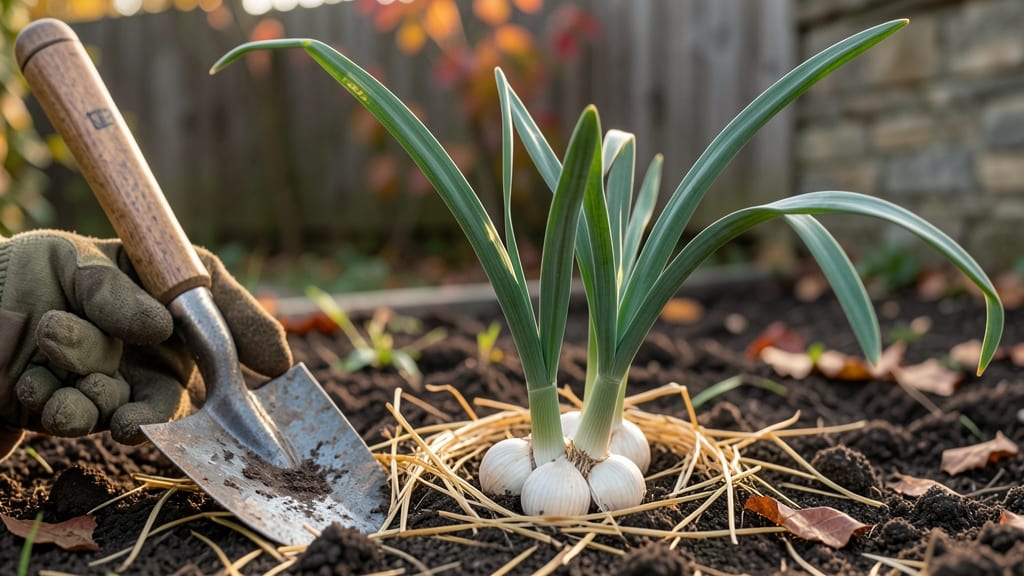
Planting garlic in New York at the wrong time could mean the difference between a thriving 🧄 harvest and wasted effort—and most gardeners get the timing wrong. The secret to growing plump, flavorful bulbs lies in understanding the perfect window, which varies for hardneck and softneck varieties.
For New York’s 5b-7a climate, fall planting between October and November is the gold standard, but early spring (March) can work too. This isn’t just about dates—it’s about soil temperature, frost cycles, and how your garlic’s roots behave underground.
Get it right, and you’ll enjoy harvests in July and August with minimal fuss.
I’ve tested both methods over years in Upstate and NYC, and the results are eye-opening. Whether you’re a seasoned gardener or a curious beginner, these insights will help you avoid common pitfalls—like planting too late or ignoring soil prep—that can ruin your crop before it even starts.
Ready to grow garlic like a pro? Let’s dive into the exact steps, from soil prep to frost timing, so you can maximize your yield and taste the difference in your kitchen this summer.
Best planting windows for hardneck vs softneck garlic in New York (with exact dates)
New York's variable climate makes garlic planting tricky—getting the timing wrong can mean small bulbs or even failed harvests. Hardneck varieties like Music or German Red thrive in Upstate's cooler zones, while softneck types such as Silverskin need NYC's milder winters.
The key? Planting 4-6 weeks before ground freezes to ensure roots establish before winter dormancy.
Most gardeners in USDA Zones 5b-7a (covering NYC to Buffalo) focus on fall planting between October 1st and November 15th. This window gives garlic enough time to root before winter while avoiding late-season fungal risks.
Spring planting is possible but less reliable—only attempt it in early March if you miss fall.
Soil temperatures below 40°F (4°C) signal it's time to plant. In Upstate NY, this typically happens by mid-October, while NYC's warmer microclimate may delay planting until late October. Use a soil thermometer to confirm—garlic roots need consistent cool temps to develop properly.
Here’s how the planting windows break down by garlic type and region:
Upstate gardeners should prioritize hardneck varieties like Chesnok Red or Music, which handle colder winters better. In NYC or Long Island, where winters are milder, softneck garlic like California Early can succeed with slightly later plantings.
Always adjust for microclimates—a sheltered spot in Buffalo may stay warm enough for softneck until November 10th.
Missed the fall window? Don’t panic—you can still plant in early spring, but expect smaller bulbs. Aim for March 1st-15th when soil temps rise above 40°F (4°C). This method works best in warmer microclimates like Western NY or Long Island, where frost dates are later.
Avoid spring planting in Adirondacks or Catskills—the short growing season won’t yield mature bulbs.
Pro tip: Use mulch (straw or leaves) after planting to insulate bulbs during winter. In NYC’s urban gardens, a 6-inch layer can protect garlic from temperature swings that cause uneven growth. Upstate gardeners should add extra mulch in exposed areas to prevent heaving (bulbs pushing out of soil).
Watch for soil temperature spikes in late fall—if temps rise above 50°F (10°C) for more than a week, garlic may sprout prematurely and weaken before winter. In Zone 6a (e.g., Albany), this is rare, but Zone 7a (e.g., NYC) sees it more often.
If this happens, cover with mulch or a lightweight frost cloth to keep roots dormant.
Timing isn’t just about the calendar—it’s about balancing cold exposure and disease prevention. Planting too early (e.g., September) risks fungal diseases like white rot, while planting too late (e.g., December) may leave bulbs underdeveloped by harvest.
Aim for a 6-8 week rooting period before winter sets in for optimal results.
🌱
How to prepare your New York garden for garlic planting (soil, location, and prep steps)
Preparing your New York garden for garlic planting starts with understanding your local microclimate. Unlike timing, which we covered earlier, soil and location prep directly impact bulb size and disease resistance.
In NYC’s urban gardens, compacted soil and limited space require extra attention, while Upstate gardeners face challenges like heavy clay or rocky terrain. Both scenarios demand tailored solutions to create the ideal environment for garlic.
Begin with a soil test—garlic thrives in loamy, well-draining soil with a pH between 6.0 and 7.0. NY’s native soils often lean acidic or compacted, so test kits (available at garden centers) are a must.
If your soil is too acidic, amend it with lime (calcium carbonate); for clay-heavy soils, mix in compost or sand to improve drainage. I’ve seen garlic bulbs triple in size just by fixing drainage issues!
Next, choose the right location. Garlic needs full sun (6+ hours daily), but in NYC’s dense neighborhoods, even a south-facing balcony can work with containers.
Avoid low-lying areas where cold air pools—this can delay growth or cause rot. In Upstate regions, elevated beds or raised rows help prevent waterlogging during spring thaws.
🌱
🌱 Key Takeaway: When to Plant Garlic in New York
💡 Pro Tip: Use a soil thermometer to confirm readiness—garlic roots need cool temps to establish before winter.
Before planting, loosen the soil to a depth of 12 inches to encourage root growth. Add aged compost or well-rotted manure (2–3 inches) to provide nutrients without burning tender roots. In urban gardens, raised beds solve drainage issues and warm up faster in spring.
I’ve had success with straw mulch applied after planting—it retains moisture and insulates bulbs during winter’s temperature swings.
For pest prevention, rotate planting locations if possible—garlic should never return to the same spot for 3–4 years to avoid soil-borne diseases like white rot. In NYC, deer and raccoons can be persistent thieves, so consider chicken wire barriers around beds.
Upstate gardeners should watch for garlic bulb mites, which thrive in humid conditions—plant in well-drained areas to deter them.
Finally, break apart garlic bulbs into individual cloves just before planting—they’ll establish faster than pre-sprouted cloves. Plant the pointy end up, 2 inches deep, and space them 4–6 inches apart in rows 12 inches apart. This spacing prevents overcrowding, which leads to small, weak bulbs.
With these steps, your New York garden will be primed for a high-yield garlic harvest—just in time for summer cooking! 🌿