
Plants
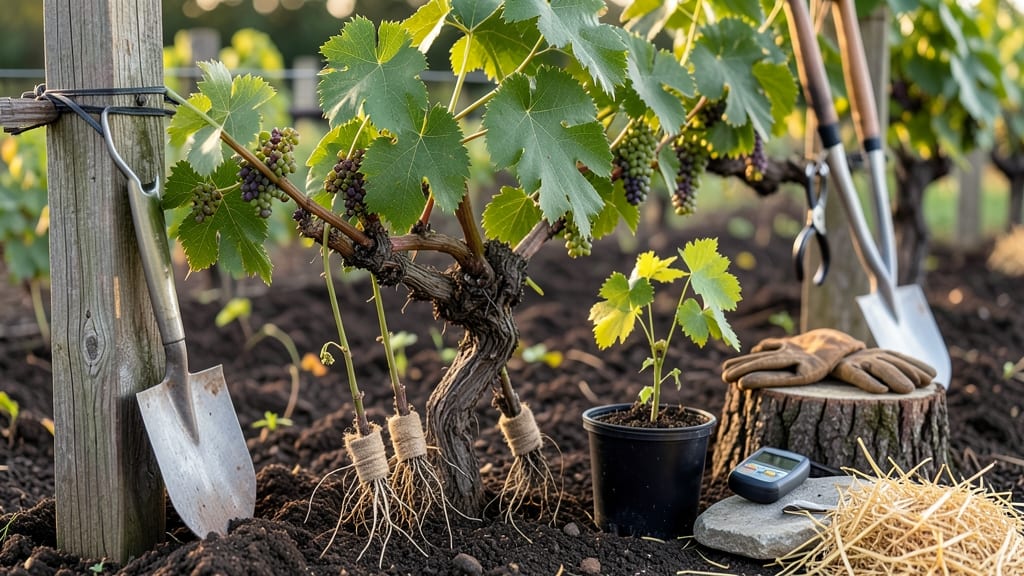
Planting grapes in Alabama at the wrong time could mean the difference between a bountiful harvest of juicy 🍇 clusters and struggling vines that never quite take off.
With USDA zones ranging from 7b to 8b, timing your planting—whether you're growing table grapes, wine varieties, or muscadines—depends on avoiding late frosts and giving roots the perfect window to establish before summer heat arrives.
Most Alabama gardeners swear by late winter to early spring as the ideal window, but the exact month varies depending on whether you're planting bare-root vines or potted grapes.
In colder northern Alabama (zone 7b), you might push planting into March to dodge unpredictable frost, while southern zones (8a-8b) can start as early as February without worry.
The key is planting when soil temperatures hover around 55°F—warm enough to prevent root shock but cool enough to avoid heat stress.
Beyond the calendar, soil prep and variety selection make all the difference. Alabama's clay-heavy soils need amending with compost or sand for drainage, and choosing cold-hardy varieties like 'Crimson Seedless' or 'Norton' ensures your vines thrive in the state's humid summers.
I’ll walk you through the exact steps to time your planting, from soil tests to frost dates, so you can enjoy homegrown grapes from August through October—no guesswork required.
Ready to turn your backyard into a grape haven? Let’s break down the zone-by-zone planting schedule, pro tips to avoid common mistakes, and how to keep your vines healthy through Alabama’s long, hot summers. Your first harvest could be closer than you think!
Best planting months for grapes in Alabama by USDA Zone (7a–8b)
Alabama's USDA zones 7a–8b offer perfect conditions for growing grapes, but planting at the wrong time can stunt growth or even kill your vines. The key is understanding your local frost dates and matching them with your grape variety's dormancy needs.
In cooler Zone 7a, you'll need to plant earlier than in warmer Zone 8b to avoid winter damage.
Most Alabama gardeners plant grapes in late winter to early spring, but the exact timing depends on your specific zone. For bare-root vines, this means February to March, while potted grapes can go in slightly later.
The goal is to get roots established before the hot summer arrives, ensuring your vines have time to harden off before winter.
Here's a quick reference for each zone's ideal planting window:
For Zone 7a gardeners, soil preparation should start in January to ensure your planting hole is ready by February. In warmer Zone 8b, you can wait until March for soil prep, giving you more flexibility.
Always test your soil's pH (6.0-6.5 ideal) and amend with compost or sulfur if needed.
Timing isn't just about the calendar—it's also about local microclimates. If you're in a valley or low-lying area in Zone 7a, you may experience later frosts and should plant 2-3 weeks earlier than coastal areas.
Conversely, Zone 8b gardeners near the Gulf Coast can sometimes plant as late as mid-April without risking winter damage.
One critical mistake Alabama gardeners make is planting too early in cooler zones. If you plant in January in Zone 7a, your grapes may sprout too soon and get damaged by late winter frosts.
The 100-day rule applies: Your grapes should have 100 frost-free days before harvest, so align planting with your variety's days to maturity.
For dormant (bare-root) grapes, soak roots in water for 2-4 hours before planting to rehydrate them. In Alabama's humidity, this prevents root desiccation. For potted grapes, remove the container and loosen roots if they're circling.
Both types should be planted 2-3 feet deep—deeper than you think, as grape roots spread wide and deep for stability.
After planting, mulch heavily with wood chips or straw to retain moisture and regulate soil temperature. In Zone 7a, apply 4-6 inches of mulch; in Zone 8b, 2-3 inches suffices.
This protects young vines from both summer heat and winter cold. Water deeply immediately after planting, then again in 3-5 days to settle soil around roots.
Remember: Spring planting gives grapes time to establish before summer heat, while fall planting (for bare-root vines) lets roots grow before dormancy.
Alabama's climate favors spring planting, but if you must plant in fall, do so by October 15 in Zone 7a or November 1 in Zone 8b to allow roots to harden before winter.
How to choose the perfect time for bare-root vs. potted grapes in Alabama
Choosing between bare-root and potted grapes in Alabama isn’t just about convenience—it’s about survival. Alabama’s humid summers and unpredictable spring rains demand different approaches for each type.
Bare-root vines thrive when planted in dormancy (fall or early spring), while potted grapes offer flexibility for late spring planting but require careful acclimation to avoid transplant shock.
For bare-root grapes, Alabama gardeners typically plant in late winter to early spring (February-March) to align with natural dormancy cycles. This timing lets roots establish before summer heat arrives. In contrast, potted grapes can be planted throughout spring (March-May) because their established root balls reduce transplant stress.
However, potted vines need extra care in Alabama’s high humidity to prevent fungal diseases.
Bare-Root Grapes
- Cost-effective (no container costs)
- Larger root systems for faster establishment
- Best for fall planting (Oct-Nov in Zone 7a)
- Limited planting window (must be dormant)
- Higher risk of root desiccation in Alabama heat
- Requires immediate planting (can't store long)
Potted Grapes
- Flexible planting dates (spring or fall)
- Lower transplant shock (established roots)
- Easier to transport (great for renters)
- Higher cost (container + plant)
- Pot-bound roots if not pruned
- Risk of overwatering in Alabama humidity
Alabama’s Zone 7a gardeners should prioritize bare-root grapes planted in February to avoid late frosts, while Zone 8b growers can opt for potted grapes in March-April for extended growing seasons.
The key difference lies in root establishment: bare-root vines need 6-8 weeks to establish before summer heat, while potted grapes can handle late spring planting due to their pre-established roots.
For bare-root vines, soak roots in water for 2-4 hours before planting to prevent desiccation in Alabama’s dry spells. Plant 2-3 feet deep with the crown 1-2 inches above soil to protect against winter dieback.
In contrast, potted grapes should have their containers removed, and roots loosened gently if circling. Both types benefit from mulching (4-6 inches) to retain moisture and regulate soil temperature.
Alabama’s humidity is the wildcard here. Bare-root vines planted in fall (October-November in Zone 7a) can suffer from root rot if not planted in well-draining soil. Potted grapes, while more flexible, require weekly deep watering to prevent stress.
The trade-off? Bare-root vines give you hardier plants for less money, while potted grapes offer convenience and flexibility—perfect for urban gardeners or those with limited space.
Pro tip: If you’re unsure, potted grapes are the safer bet for Alabama’s unpredictable springs. They allow you to delay planting until after last frost dates (typically March 15 in Zone 7a).
For bare-root vines, fall planting (before November 1 in Zone 8b) lets roots establish before winter dormancy, but only if your soil drains well.
Regardless of your choice, soil preparation is non-negotiable. Alabama’s clay-heavy soils need amending with compost and sand for optimal drainage. Test your soil’s pH (6.0-6.5 ideal) and adjust with lime or sulfur as needed.
With the right timing and care, your grapes will thrive from root to ripe fruit—ready for harvest by August-October. 🍇