
Lawn
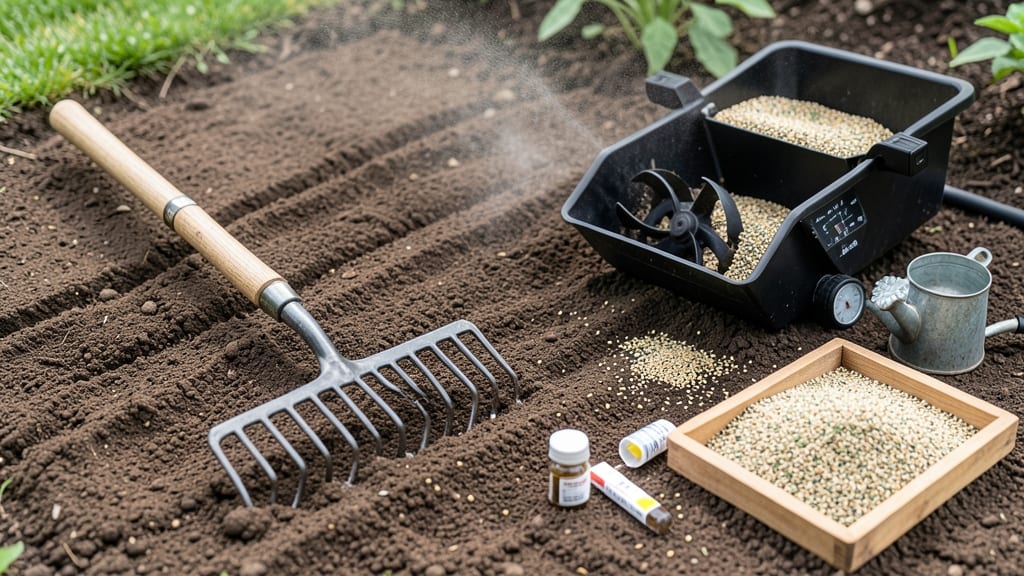
Planting grass seed in Virginia at the wrong time can turn your dream of a lush 🌱 lawn into a frustrating wait—especially when you factor in the state’s dramatic shifts from mountain chill to coastal humidity.
Timing is everything, and getting it right means the difference between fast germination and weeks of patchy, uneven growth.
Whether you're in the cooler 6a zones of the mountains or the milder 8a coastal areas, the best windows are early spring or fall—but there’s more to it than just picking a month.
I’ll walk you through the exact planting windows for Virginia’s three distinct regions, plus how to prep your soil and choose the right seed variety for your microclimate. No more guesswork—just a lawn that thrives from the first sprout.
Ready to skip the trial-and-error? Let’s dive into the best months and pro tips to get your grass off to a strong start this season.
Best months to plant grass seed in Virginia by region (mountains vs. Piedmont vs. coastal)
Virginia’s three distinct regions—Mountains, Piedmont, and Coastal—create wildly different growing conditions for grass seed. In the mountains, cooler temperatures and shorter growing seasons demand early planting, while the coastal plain offers longer windows but requires heat tolerance.
The Piedmont sits in between, balancing both challenges. Getting the timing right means choosing the right seed variety and adjusting for soil temperature thresholds.
For all regions, the ideal soil temperature for grass seed germination is 50-65°F. In Virginia’s USDA Zones 6a-8a, this means planting either 4-6 weeks before the last frost in spring or 6-8 weeks before the first frost in fall.
However, each region has its own nuances—like the mountains' late frosts or the coast’s summer humidity—that can shift your timeline by weeks.
Mountain regions (e.g., Roanoke, Blacksburg) have cooler microclimates with later last frosts (often April 15 or later). Here, late March to early April is your best window for spring planting, while late August to mid-September works for fall. Coastal areas (e.g., Norfolk, Virginia Beach) can start as early as February for warm-season grasses like Bermuda or Zoysia, but cool-season grasses like Tall Fescue thrive when planted in September-October to avoid summer heat stress.
The Piedmont (e.g., Richmond, Charlottesville) offers the most flexibility, with March-April and August-September as prime windows.
However, summer droughts here can stress seedlings, so early fall planting is often preferred. Soil preparation is critical across all regions—test your soil pH (aim for 6.0-7.0) and amend with compost to improve drainage, especially in clay-heavy Piedmont soils or sandy coastal soils.
| Region | Best Planting Window | Soil Temp Threshold | Key Considerations | Recommended Grass Types |
|---|---|---|---|---|
| Mountains (Zones 6a-7a) | Late March–Early April Late August–Mid-September |
50–60°F | Late frosts, shorter growing season, cooler soils | Tall Fescue, Fine Fescue, Kentucky Bluegrass |
| Piedmont (Zones 7a-7b) | March–Early April August–Early September |
55–65°F | Moderate humidity, summer drought risk, clay soils | Tall Fescue, Bermuda (warm-season), Zoysia |
| Coastal (Zones 7b-8a) | February–March (warm-season) September–October (cool-season) |
60–65°F (warm-season) 50–60°F (cool-season) |
High humidity, sandy soils, salt spray near coast | Bermuda, Zoysia, Centipede, St. Augustine |
In the mountains, cool-season grasses like Tall Fescue are your best bet—they handle the shorter growing season and cooler soils. Plant in late March to give seedlings time to establish before summer heat arrives.
For fall planting, aim for late August to avoid early frosts. Mulch lightly with straw to retain moisture in the thin mountain air.
The Piedmont’s warmer climate allows for warm-season grasses like Bermuda or Zoysia, but these need to be planted in late spring (May) to avoid winter kill. Cool-season grasses here should go in early fall (September) to take advantage of cooler temps and consistent rainfall.
Avoid planting in summer—the Piedmont’s heat and drought can bake seeds into the soil.
On the coast, humidity and salt spray demand drought-tolerant varieties like Zoysia or Centipede.
Plant warm-season grasses in February to beat the summer heat, while cool-season grasses thrive with September-October planting. Rinse soil with fresh water after planting to remove salt buildup, and consider elevated beds in low-lying areas prone to poor drainage.
No matter your region, avoid
How Virginia’s weather patterns affect grass seed germination (rainfall, heat, and dormancy risks)
Virginia’s unpredictable weather can turn your grass seeding project into a gamble if you don’t account for regional quirks. While the Piedmont might get 90°F heatwaves in July, coastal areas like Virginia Beach can see 90% humidity year-round.
These extremes directly impact seed germination, dormancy risks, and even fungal diseases in your new lawn.
Spring planting offers cooler soils and consistent rainfall, but timing is critical. Plant too early, and a late frost could wipe out seedlings. Plant too late, and summer heat will stress them before they establish.
Fall planting avoids these extremes but requires early enough seeding to let roots develop before winter dormancy sets in.
🚨
Planting cool-season grasses in summer (June-August) guarantees dormancy—they’ll just sit dormant until fall. Warm-season grasses planted in spring risk heat shock before roots establish. Coastal areas face extra risks: salt buildup from ocean spray and fungal diseases from persistent humidity. Always check soil temps (use a soil thermometer)—below 50°F stalls germination, while above 75°F causes seed death.
The Piedmont’s summer droughts are the biggest threat to new grass. Even with consistent watering, seedlings can bake in clay soil if planted in May or June.
I recommend early September planting here—soil stays warm enough for growth but cooler than peak summer, and rainfall increases as we move toward winter.
On the coast, humidity and fungal risks demand different strategies. Plant in September-October for cool-season grasses, but avoid overhead watering after 4 PM to prevent disease.
Warm-season grasses like Zoysia can handle coastal heat, but rinse soil with fresh water after planting to remove salt buildup from ocean spray.
For mountain regions, late frosts are the enemy. Even if your last frost date is April 15, wait until late April to plant—March seeds often get frost damage.
Use light mulch (straw, not wood chips) to retain moisture in the thin mountain air, and choose Tall Fescue for its cold tolerance.
No matter your region, monitor rainfall after planting. Less than 1 inch per week means supplemental watering is a must—new grass roots need consistent moisture to establish. If your area gets prolonged dry spells (common in Piedmont summers), consider drought-tolerant varieties like Buffalo Grass or Fine Fescue.