
Plants
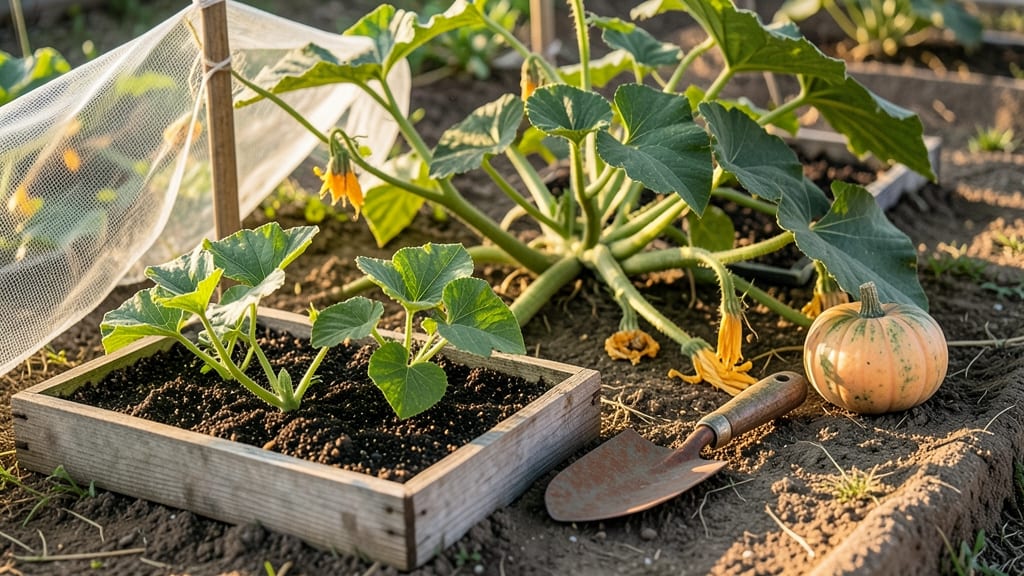
Planting pumpkins in Washington State at the wrong time can mean the difference between a bumper crop and wasted effort—especially when your 🎃 vines face either a late frost or scorching summer heat.
The key to success? Timing it right for your specific microclimate, whether you're in the rainy Puget Sound region or the dry high desert of Eastern Washington.
Most gardeners in zones 5b–8a should aim to plant pumpkin seeds after the last frost, typically between mid-May and early June. But here's the catch: soil temperature matters just as much as calendar dates.
If your ground stays below 70°F, your seeds may rot before sprouting—so don’t rush the process.
Whether you’re starting seeds indoors for an early jumpstart or sowing directly into warmed soil, I’ll break down the exact planting windows for your region. You’ll also discover how to adjust for late harvests or early frosts, ensuring your pumpkins mature before winter sets in.
Ready to turn your garden into a 🎃-filled paradise? Let’s dive into the step-by-step schedule that works for Washington’s diverse growing conditions—so you can enjoy homegrown pumpkins from vine to pie.
Washington State pumpkin planting calendar by climate Zone
Washington State’s three distinct climate zones create wildly different growing conditions for pumpkins. In the Marine West Coast region (Western WA), cool summers and mild winters mean you’ll plant much earlier than in the Semi-Arid Eastern WA or High Desert areas, where intense heat demands precise timing.
The key to success? Waiting until soil temperatures hit 70°F+ and all frost risk has passed.
Pumpkins need 90–120 frost-free days to mature, so your planting window shifts dramatically from Seattle to Spokane. For example, in Zone 8a (Western WA), you’ll start seeds indoors by mid-April, while in Zone 5b (Eastern WA), you’ll wait until late May for direct sowing.
Let’s break down the exact dates for each region.
In Western WA, where summers are cooler, you can start seeds indoors as early as mid-April for a 90-day variety like 'Howden'. Transplant seedlings outdoors after your last frost date, typically late May, once soil temperatures exceed 65°F.
Use black plastic mulch to warm the soil faster if needed.
For Eastern WA, where heat arrives suddenly, wait until soil temperatures hit 75°F+—often late May or early June. Varieties like 'Cinderella' thrive here, maturing in 85 days.
If you’re in the High Desert, plant directly outdoors in early June and choose drought-tolerant varieties like 'Autumn Gold'.
Pro tip: Use a soil thermometer to monitor temperatures. Pumpkin seeds won’t germinate below 60°F, and vines struggle to set fruit if soil stays under 70°F for too long.
In Western WA, I’ve seen seedlings rot when planted too early—always check the 7-day forecast for nighttime temps above 50°F.
If you’re transplanting seedlings, harden them off for 7–10 days before moving them outdoors. In Eastern WA, where nights can still dip below 50°F in June, use row covers or plant near a south-facing wall to protect young vines.
For direct sowing, bury seeds 1 inch deep in hills spaced 4–6 feet apart—this gives vines room to sprawl.
One common mistake? Planting too late in Western WA because of lingering cool weather. If your soil stays below 60°F past mid-June, switch to a shorter-season variety like 'Small Sugar' (75 days) or delay planting until July for a fall harvest.
In Eastern WA, the opposite is true—planting too early risks heat stress before vines establish roots.
For container growing (e.g., patios in Seattle), choose bush varieties like 'Baby Boo' and plant in 5-gallon pots with well-draining soil. Move containers to a sunny spot by late May and water deeply every 2–3 days—containers dry out faster than ground soil.
In dry Eastern WA, mulch heavily with straw to retain moisture.
Finally, track your first frost dates to plan harvests. In Western WA, expect frost by mid-October, while Eastern WA may see frost as early as late September. If your pumpkins aren’t ready, harvest them
How to adjust pumpkin planting dates for early/late harvests
Washington’s unpredictable weather can throw off even the best-laid pumpkin planting plans. If you’re in Zone 5b (Eastern WA) and face early frosts, or in Zone 8a (Western WA) where summers linger cool, adjusting your planting dates is key.
The solution? Extend your growing season with season-extending tools like cold frames or black plastic mulch, or switch to shorter-season varieties that mature before frost.
For early harvests in cold zones, start seeds indoors by mid-April (Western WA) or late April (Eastern WA) using grow lights to simulate spring. Transplant hardened-off seedlings into warmed soil (70°F+) by early June.
In High Desert areas, where summers are short, opt for 75-day varieties like 'Autumn Gold' and plant directly in early June with drip irrigation to conserve moisture.
- 🌱 Use black plastic mulch to warm soil 5–10°F faster in cool zones. Lay it down 2–3 weeks before planting to accelerate soil heating.
- ☀️ Extend the season with cold frames in frost-prone areas. Cover young plants until soil temps stabilize above 60°F at night.
- 🎃 Choose short-season varieties for late starts. 'Jack Be Little' (75 days) or 'Small Sugar' (80 days) work in Zone 5b if planted by early July.
- 💧 Succession plant every 2 weeks in Eastern WA for staggered harvests. Start a new batch in late June if your first planting bolts in heat.
- ✂️ Prune vines in hot zones to reduce stress. Trim excess growth in Eastern WA after mid-July to focus energy on fruit development.
If you’re in Western WA and summers stay cool, delay planting until late May and use row covers to protect flowers from chilly nights. For Eastern WA, where heat arrives suddenly, avoid planting before late May—soil must reach 75°F+ to prevent seed rot.
In both regions, monitor 7-day forecasts for sudden temperature drops.
For late harvests, try succession planting: sow seeds every 2 weeks from mid-June to early July. This ensures a continuous supply of young pumpkins before frost. In High Desert areas, pair pumpkins with shade cloth (30–50%) to protect vines from 100°F+ temps that cause blossom drop.
Pro tip: Track your first frost date and count backward. Pumpkins need 90–120 frost-free days to mature. If your zone has only 80 days left by mid-August, switch to bush varieties like 'Baby Boo' (60 days) for a guaranteed harvest.
In Western WA, I’ve had success with cold-hardy varieties like 'Waltham Butternut' (90 days) when planted by early June.
Finally, adjust your watering schedule based on seasonal shifts. In Eastern WA, deep-water vines daily in July to combat heat stress, while in Western WA, reduce watering by mid-September to harden off pumpkins before frost. With these adjustments, you’ll turn Washington’s climate challenges into 🎃 harvest gold.