
Plants
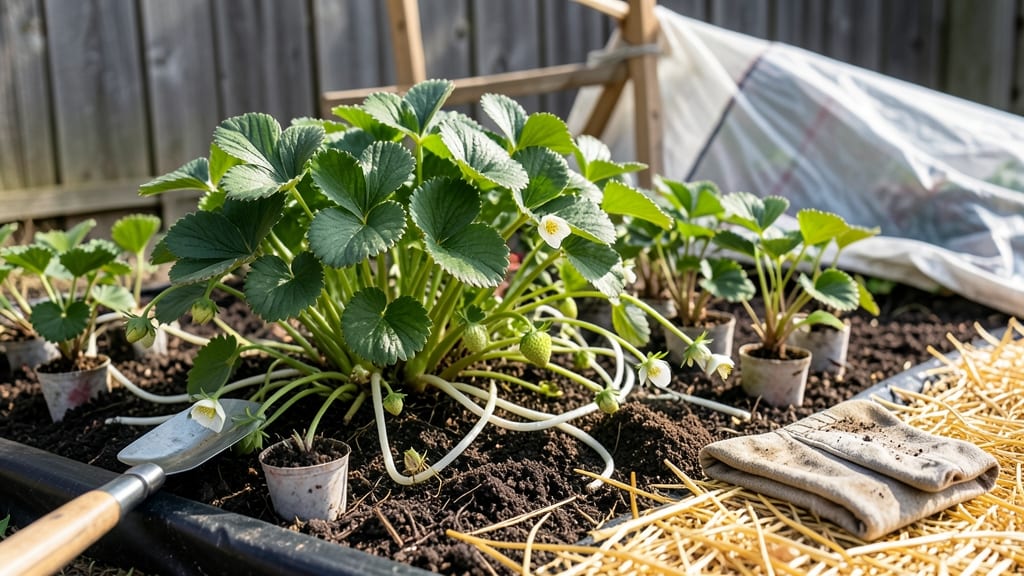
Planting strawberries in New York isn't just about grabbing a packet of seeds and sticking them in the dirt—it’s about mastering the perfect timing to outsmart frost, heat waves, and unpredictable weather.
Whether you're a backyard gardener in Zone 5b or an urban container grower in NYC, getting your 🍓 planted too early or late can mean the difference between a harvest of sweet berries and a sad, wilted disappointment.
Most gardeners in New York swear by two key windows: late April through early June for spring plantings, or August through early September for fall. But here’s the catch—your exact deadline depends on where you live.
Upstate NY’s cooler climate gives you a few extra weeks compared to NYC’s faster-warming soil, and skipping this detail could leave your plants vulnerable to late frosts or summer stress.
I’ve spent years growing strawberries across different zones, and the biggest mistake I see is planting too close to the last frost date. Strawberries need time to establish roots before the real heat hits, and rushing it often leads to stunted growth or even total crop failure.
The good news? With the right techniques—like mulching, row covers, or even container gardening—you can push those deadlines just enough to get a head start.
In this guide, I’ll break down the exact planting windows for your zone, share my top tips for extending the season, and reveal the common pitfalls that trip up even experienced gardeners.
By the end, you’ll know exactly when to plant your 🍓 for a harvest that’ll make your neighbors jealous.
New York planting zones & exact strawberry planting deadlines (by month)
New York spans USDA zones 3-7, creating dramatic differences in frost timing from Buffalo (Zone 6a) to New York City (Zone 7a). This means your last frost date could vary by 3-4 weeks, making precise planting deadlines essential for strawberries.
June-bearing varieties need cold stratification (4-6 weeks below 40°F), while everbearing and day-neutral types tolerate warmer soil—so your zone dictates which types thrive best.
For June-bearing strawberries (like Jewel or Chandler), aim for 4-6 weeks before last frost—typically late April to early May in most of NY. Everbearing varieties (such as Seascape) can handle late spring plantings (up to mid-June), while day-neutral types (like Albion) offer flexibility for fall plantings too.
Missing these windows risks frost damage or stunted growth.
Here’s the critical summary of your planting deadlines by USDA zone and region, including month-by-month windows for all strawberry types:
In Zone 3-4 (Upstate NY), June-bearing strawberries dominate because they need cold winters to set fruit. Plant them by May 1 to avoid late spring frosts that can blacken new leaves.
Meanwhile, Zone 7 (NYC) gardeners can push fall plantings until mid-September—just ensure soil stays above 50°F for root growth.
For urban gardeners in NYC or Long Island, container planting extends flexibility.
Use black plastic mulch to warm soil 2-3 weeks earlier in spring or row covers to delay fall frosts. Everbearing varieties like Seascape produce fruit in two flushes: early summer and fall, making them ideal for small spaces where timing is tricky.
If you’re in Zone 5-6 (like Rochester or Buffalo), late April plantings work for June-bearing types, but everbearing varieties can handle June plantings too. The key is soil temperature: strawberries need soil at 45°F+ to thrive.
Use a soil thermometer to check—if it’s below 50°F, wait a week or two.
Pro tip: Mulch heavily (4-6 inches of straw) after planting to insulate roots from temperature swings. In Zone 3-4, this can add 2-3 weeks to your growing season by protecting crowns from freeze-thaw cycles.
Avoid synthetic mulches like black plastic in winter—they can overheat soil and damage roots.
For fall plantings, prioritize day-neutral or everbearing varieties—they’ll produce fruit next summer even if planted late. In Zone 6-7, aim for August-September plantings, but
How to extend your strawberry growing season in New York (cold frames, mulch & more)
New York’s unpredictable spring frosts and chilly fall nights can cut strawberry seasons short—but with the right strategies, you can push those windows by 3-6 weeks.
Whether you're a backyard gardener in Upstate NY or a NYC balcony grower, these techniques will help you enjoy berries earlier in spring or later into fall. The key is combining soil insulation, frost protection, and microclimate control.
For early spring plantings, focus on soil warming methods like black plastic mulch or straw bales. In fall, cold frames and row covers become your best friends. I’ve tested these techniques in my Zone 6b garden—here’s what works best for extending your strawberry harvest without risking frost damage.
Extending Strawberry Season: Pros & Cons
✅ Early Spring Planting (March-April)
- ✔ Pros: Harvest 4-6 weeks earlier than standard plantings
- ✔ Pros: Warmer soil speeds up root establishment
- ✔ Pros: Black plastic mulch suppresses weeds and retains heat
- ✖ Cons: Requires active frost monitoring
- ✖ Cons: Soil may stay too cold for germination in early March
- ✖ Cons: Black plastic can overheat soil if temps rise suddenly
✅ Late Fall Planting (September-October)
- ✔ Pros: Frost-tender varieties can thrive with protection
- ✔ Pros: Cold frames add 10-14°F warmth during cold snaps
- ✔ Pros: Mulch insulates roots from temperature swings
- ✖ Cons: Row covers limit airflow (risk of fungal issues)
- ✖ Cons: Requires removal during rain to prevent rot
- ✖ Cons: Day-neutral varieties perform best in fall extensions
My go-to method for early spring is black plastic mulch combined with straw bale warming. Lay down bales 2-3 weeks before planting to raise soil temps by 10-15°F.
For fall extensions, I use unheated cold frames (clear plastic domes) which can add 5-10°F protection during light frosts. Just remember: ventilate daily to prevent overheating.
Organic mulches like straw or leaves work well for insulation but break down faster than synthetic options. I’ve had success with biodegradable landscape fabric—it lasts longer than straw while still allowing water penetration.
For urban gardeners, container growing with heat mats under pots can extend seasons by 2-3 weeks in both spring and fall.
Pro tip: Pair your extension method with frost-hardy varieties like 'Albion' or 'Seascape'. These tolerate 20°F temps better than standard June-bearers. And always monitor your local frost forecast—I use the National Weather Service alerts to time my protective measures.
A frost cloth draped over plants at night can save your crop when temps dip below 28°F.
Don’t forget to water deeply before cold snaps—hydrated plants handle frost better. I’ve seen strawberries survive -5°F overnight if they’re well-watered the day before. For maximum protection, combine mulch + row covers + cold frames in early spring or late fall.
With these layers, you can safely plant 2-3 weeks earlier in spring or 3-4 weeks later in fall than the standard windows.
🌱 Start small with one bed or container to test what works best in your microclimate. Once you’ve mastered the timing, you’ll be enjoying homegrown strawberries from May through October—no grocery store berries needed!