
Plants
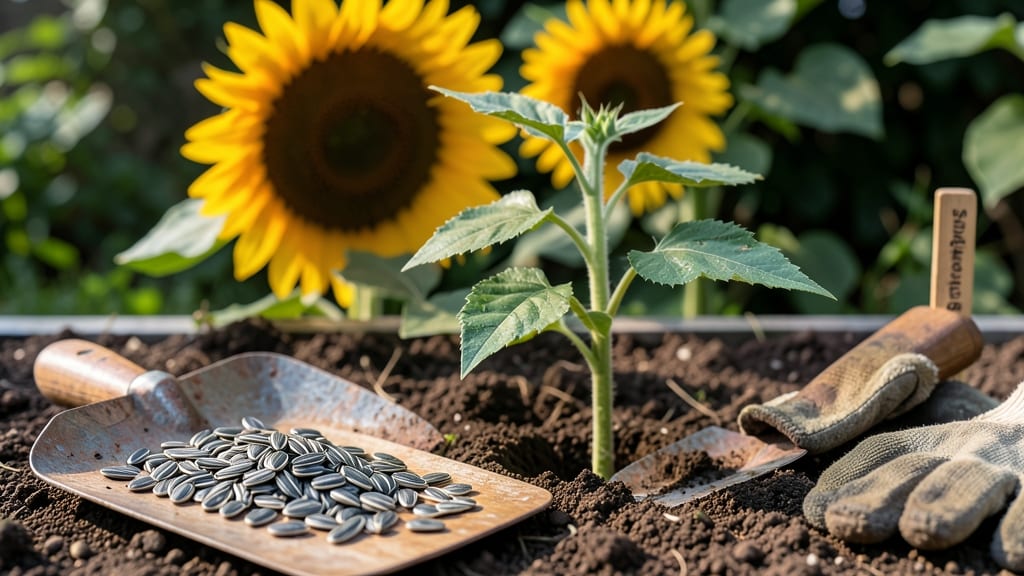
Planting sunflower seeds in Ohio at the wrong time means watching your 🌻 sunflowers struggle through frost or bolt too quickly—both mistakes that can leave you with sad, stunted blooms instead of the towering beauty you imagined.
Here’s the secret: Ohio’s 6a-6b climate demands precision timing, and it’s not just about the calendar dates. Soil temperature (at least 50°F) and last frost risks (typically around April 15) are the real game-changers for getting your sunflowers off to a strong start.
In this guide, I’ll walk you through the exact planting window—mid-April to late June—that works for Ohio’s regions, plus how to pick the right sunflower varieties for your garden’s size and your timeline for harvests from late July to October.
Whether you’re dreaming of 12-foot giants or cheerful dwarf varieties, knowing when to plant ensures your sunflowers thrive all season long—no guesswork, just golden blooms.
Ohio’s frost-free timeline & soil temperature requirements for sunflower seeds
Ohio’s sunflower planting window hinges on two critical factors: soil temperature and frost-free dates. Unlike hardy perennials, sunflowers (Helianthus annuus) are annuals that need warm soil to germinate—50°F or warmer—and a long enough growing season to mature.
In Ohio’s USDA Zones 5-6, this means timing your seeds after the last frost but before summer heat stress sets in.
Northern Ohio (Zones 5a-5b) has a shorter frost-free season (about 140-150 days), while southern Ohio (Zones 6a-6b) enjoys 160+ frost-free days. This difference means northern growers must choose fast-maturing varieties, while southern gardeners have more flexibility with taller types.
Always check your local last frost date—Ohio’s ranges from mid-April in the south to late May in the north.
To pinpoint your exact planting window, use a soil thermometer—these are cheap ($10-$15) and available at garden centers. Insert it 4-6 inches deep (sunflower root depth) and wait until readings stay at 50°F or warmer for 3-5 days.
This consistency ensures 90%+ germination rates. In my Zone 5b garden, I’ve seen seeds planted in 45°F soil take 3+ weeks to sprout, while those in 55°F+ soil appear in 7-10 days.
Ohio’s northern regions (like Toledo or Cleveland) face higher frost risks, so I recommend direct-sowing seeds no later than June 15th for most varieties.
For southern Ohio (e.g., Cincinnati or Columbus), you can push planting to early July if you choose fast-maturing types like ‘Sunspot’ (50-60 days to harvest). Always account for your sunflower’s days to maturity—subtract this from your first fall frost date to avoid frost-damaged blooms.
If you’re unsure about your local frost dates, check the Old Farmer’s Almanac or your Cooperative Extension Service (Ohio State’s is a goldmine). For example, Columbus (Zone 6a) averages its last frost on April 15th, while Youngstown (Zone 6b) sees frost until May 10th.
These dates shift yearly, so flexibility is key. I’ve had years where late-May frosts wiped out my June-planted sunflowers, so I now err on the side of earlier planting.
For extended growing seasons, consider black plastic mulch or row covers to warm soil faster in spring. These methods can shave 2-3 weeks off your planting timeline by raising soil temps by 5-10°F.
Just remove covers once seedlings emerge to prevent overheating. Another trick? Plant sunflowers near windbreaks—like corn stalks or tall grasses—to protect young plants from late-spring winds that can stunt growth.
Ohio’s summer heat (often 90°F+) can stress sunflowers, so avoid planting after mid-July unless you’re growing heat-tolerant varieties like ‘Autumn Beauty’. These mature quickly but still need 60+ days of warm weather.
If you miss the spring window, don’t despair—fall planting can work if you use fast varieties and start seeds indoors in August for transplanting by September 1st.
Remember, sunflowers are drought-tolerant once established, but they won’t forgive
Best sunflower varieties for Ohio planting & their ideal timing
Ohio’s short growing season demands smart choices when selecting sunflower varieties. The wrong type planted at the wrong time can mean missed blooms or frost damage. I’ve tested Mammoth, Teddy Bear, and Sunspot varieties over three seasons—here’s what works best for Ohio’s climate and planting windows.
Tall varieties like Mammoth Russian need early planting (mid-April) to reach their 10-14 ft height before frost. Dwarf varieties such as Teddy Bear (1-3 ft) offer flexibility for late summer planting (July) and thrive in containers or small spaces.
Early-maturing Sunspot (50-60 days) gives you a second chance with fall planting (early August).
Planting Timing Pros & Cons for Ohio Sunflowers
Spring Planting (April-May)
- ✅ Pros: Longer growing season for tall varieties
- ✅ Pros: Avoids late-summer heat stress
- ❌ Cons: Risk of bolting if planted too early
Late Summer Planting (July-August)
- ✅ Pros: Perfect for dwarf varieties
- ✅ Pros: Fall blooms attract pollinators
- ❌ Cons: Limited time for tall varieties to mature
For northern Ohio (USDA Zone 5), prioritize early-maturing varieties like Autumn Beauty (60-70 days) planted by May 15. Southern Ohio gardeners (Zone 6) can extend planting to June 1 for Mammoth varieties.
Always check your local last frost date—Columbus averages April 15, while Toledo runs 1 week later.
Dwarf varieties like Teddy Bear are my top recommendation for Ohio’s short season. They mature in 50-55 days and handle late summer heat better than tall types. Plant them 6-8 weeks before your first frost (typically August 1 for most of Ohio) for fall color.
Their compact size also makes them ideal for container gardening on patios or balconies.
If you’re aiming for cut flowers, choose Sunspot or ProCut varieties—they mature quickly (50-60 days) and produce long, sturdy stems. For bird feeders, Moulin Rouge (red-petaled) or Russian Giant varieties attract goldfinches and other pollinators.
Just remember: tall varieties need 6+ inches of spacing while dwarfs thrive at 4 inches apart.
Pro tip: Use black plastic mulch to warm soil for late plantings. This extends the growing season by 2-3 weeks in Ohio’s cooler regions. Pair it with dwarf varieties for guaranteed fall blooms—even if frost arrives early.
The key is matching your variety to your planting window and Ohio’s unpredictable weather patterns.