
Plants
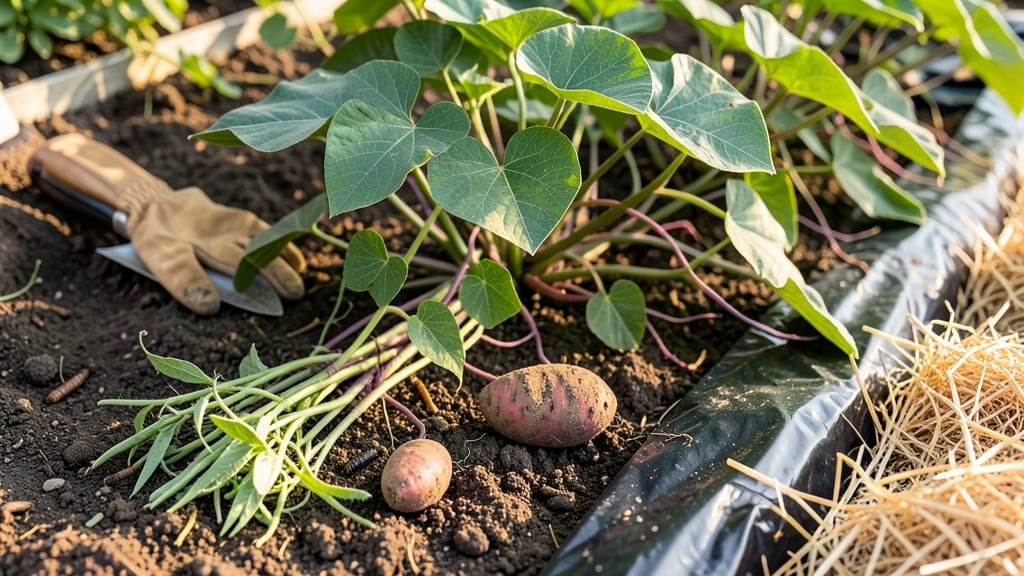
Planting sweet potatoes in Alabama isn't just about waiting for spring—it's about catching that perfect window when soil warmth and frost-free days align. Skip the guesswork, because timing directly impacts whether your 🍠 harvest thrives or struggles, especially in zones 7b-8a where heat and humidity play a big role.
Most gardeners in Alabama know the general rule: after last frost, but what you might not realize is that soil temperature is the real game-changer. Planting too early means cold soil stunts root growth, while waiting too long risks a shorter growing season.
Let’s break down the exact mid-April to early June window that works best—and why it matters for your specific heat zone.
You’ll also discover whether slips or seeds give you the edge in Alabama’s climate, plus how to prep your soil for maximum yield. From mulching tricks to avoiding common pitfalls, this guide keeps your sweet potatoes on track for a late September to November harvest—just before frost sets in.
Ready to grow sweet potatoes like a pro? Let’s dive into the heat zone details that’ll make your garden the talk of the neighborhood.
Alabama’s sweet potato planting windows by heat zone (USDA 7a-8b)
Alabama’s USDA zones 7a-8b create perfect conditions for sweet potatoes, but timing varies dramatically between northern hills and southern coasts. In Huntsville (7a), you’ll plant 2-3 weeks later than in Mobile (8b)—and that window can mean the difference between a bountiful harvest and lost vines.
The key? Soil temperature (must hit 60°F+) and last frost dates, which range from mid-March in Mobile to late March in Birmingham.
Sweet potatoes thrive in warm soil, so slip planting (using young sprouted roots) is your best bet. Start slips indoors 4-6 weeks before your target outdoor date, then transplant when nighttime temps stay above 55°F.
In Alabama, this means mid-April in Huntsville and late March in Mobile—but don’t rush! Cold soil stunts roots, and Alabama’s clay-heavy soils need time to warm.
| USDA Zone | City Examples | Last Frost Date | Optimal Planting Window | Soil Temp Threshold | Harvest Window |
|---|---|---|---|---|---|
| 7a (North AL) | Huntsville, Decatur | Late March | Mid-April to early May | 60°F+ (consistently) | Late October to November |
| 7b (Central AL) | Birmingham, Montgomery | Mid-March | Late March to mid-April | 60°F+ (consistently) | Mid-October to November |
| 8a (South AL) | Mobile, Dothan | Early March | Late February to early April | 60°F+ (earlier possible) | Early October to November |
| 8b (Southeast AL) | Gulf Shores, Pensacola (FL border) | Late February | Early March to mid-April | 55°F+ (sooner possible) | Late September to November |
In Birmingham (USDA 7b), aim for late March to mid-April planting. This gives your vines 120-150 days to mature before Alabama’s first frost risk in November.
If you’re in Mobile (USDA 8b), you can start as early as late February, but wait until soil temps stabilize above 60°F—early planting in cool, wet soil leads to rotten tubers.
For Huntsville gardeners (USDA 7a), don’t plant before mid-April, even if your neighbors in Birmingham rush ahead. The Appalachian foothills hold cold longer, and sweet potato slips won’t survive 50°F nights.
Instead, use this time to prepare beds with compost and sand (Alabama’s clay needs amending) and mulch heavily to warm the soil faster.
Extend your season with successive planting: In Mobile or Gulf Shores, you can make a second planting in early June for a fall harvest. Choose faster-maturing varieties like Beauregard (90 days) or Georgia Jet (95 days) to beat frost.
Just remember: plant slips, not seeds, for faster results—Alabama’s short growing season doesn’t tolerate slow starts.
Watch for false springs, common in Alabama’s unpredictable weather.
A warm March might trick you into early planting, but a late frost in April can wipe out young vines. Wait until nighttime lows stay above 55°F for 7-10 days before planting. Row covers can buy you 1-2 extra weeks if frost threatens, but sweet potatoes hate cold soil—better to delay than risk failure.
Mulch is your secret weapon in Alabama’s hot summers and clay soils. Use straw or black plastic mulch to keep soil temps consistently warm and suppress weeds. This is especially critical in USDA 7a, where <
Signs your Alabama soil is ready for sweet potato planting (beyond the calendar)
Alabama’s clay-heavy soils and unpredictable spring weather can make timing sweet potato planting tricky. While most gardeners focus on calendar dates, the real readiness comes down to three key factors: soil temperature, moisture levels, and texture.
Your slips won’t thrive if planted in cold, soggy ground—even if the calendar says "spring."
Sweet potatoes need warm soil (60°F+) to germinate properly, and Alabama’s clay soils can hold cold for weeks after frost risk passes. Test your soil with a soil thermometer at 4 inches deep—this is where roots will form.
If it’s below 60°F, your plants will struggle, no matter how much you water them.
Moisture matters just as much as warmth. Alabama’s spring showers can leave soil waterlogged, which stunts root growth. Stick your finger 2 inches deep—if it feels damp but not soggy, your soil’s ready. Clay soils drain slowly, so amend with compost to improve aeration before planting.
🚨 WARNING: Delayed planting can still yield success—if you act fast! 🚨
If your soil isn’t ready by early June, don’t panic—but don’t wait until July either. Plant slips (not seeds) and use black plastic mulch to warm the soil faster. Alabama’s long growing season can still accommodate a late start if you:
- ✅ Choose fast-maturing varieties like 'Beauregard' (90 days)
- ✅ Water deeply every 5-7 days (clay holds moisture but needs aeration)
- ✅ Protect young plants with row covers if night temps dip below 55°F
🌱 Pro Tip: Test soil temp daily—if it hits 70°F+, you’ve got a 2-3 week grace period for late planting.
One of the biggest mistakes in Alabama gardens is ignoring soil texture. Clay soils compact easily, suffocating roots. Before planting, mix in 2-3 inches of compost or aged manure to break up the clay.
Sweet potatoes need loose soil to form those signature tubers—don’t skip this step, even if your soil feels "fine" on the surface.
Watch for sprouting slips as your final green light. If your slips develop 3-4 inch vines before planting, they’re ready to go into warmed soil. This natural signal beats guessing by calendar any day.
In Alabama’s heat, these vines will spread 10-12 feet—so give them space and watch them thrive.
For clay-heavy soils, consider raised beds. They warm up faster in spring and drain better, giving your sweet potatoes the ideal environment. Fill them with a mix of 50% topsoil, 30% compost, and 20% sand for perfect drainage.
This small investment can mean the difference between a bountiful harvest and a disappointing one.
Remember: Alabama’s climate is forgiving, but only if you listen to the soil, not just the calendar. With these signs as your guide, you’ll know exactly when to plant for maximum sweet potato success—no frost risk, no guesswork. 🍠