
Plants
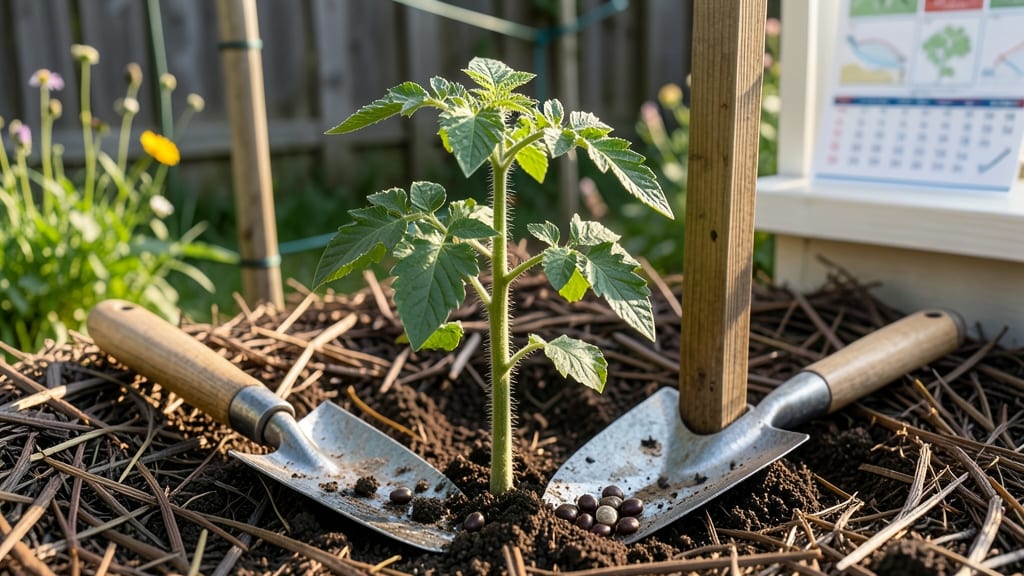
Planting your 🍅 tomatoes at the wrong time in Missouri can mean the difference between a bountiful harvest and a sad, frost-nipped disappointment. The ideal window—April 15 to May 31—varies dramatically across the state, from St. Louis’s milder microclimates to Kansas City’s cooler nights.
If you’re starting seeds indoors, begin 6-8 weeks before your last frost date to give them a head start. But transplanting too early? Even Missouri’s hardiest tomato varieties will bolt or rot when nighttime temps dip below 50°F.
The key is matching your county’s frost-free average—5b-6b zones demand precision.
What if you want to push your harvest later? I’ll show you how to extend the season with row covers or cold frames, plus the 3 most common mistakes Missouri gardeners make that kill yields. Let’s get your tomatoes growing like a pro.
Ready to avoid the pitfalls? You’ll leave this guide knowing exactly when to plant—whether you’re in rural zone 5b or urban zone 6b. No more guessing, just zero-frost success.
Missouri county planting zones: exact dates to avoid frost damage
Missouri spans USDA Hardiness Zones 5b through 6b, but the real magic happens in your county’s last frost dates. In St. Louis (Zone 6a), the average last frost arrives by April 15, while Kansas City (Zone 5b) typically waits until April 25.
Rural areas like Sedalia or Cape Girardeau can see frost linger until May 5—a critical difference for your tomato transplants.
For seed-starting indoors, begin 6-8 weeks before your last frost date. That means February 20–March 10 for St. Louis and March 10–25 for Kansas City. Transplant outdoors only after soil warms to 60°F+—use a soil thermometer to confirm. Nighttime temps above 50°F are non-negotiable for tomato survival.
Here’s the county-by-county breakdown of your planting windows, including transplant dates and seed-starting deadlines to maximize your harvest:
Missouri’s northern counties (e.g., St. Joseph or Kirksville) often face late-May frosts, so delay transplants until May 20 or use row covers for early plants. Southern Missouri, including Poplar Bluff, can start 2 weeks earlier thanks to milder springs.
For succession planting, sow a second batch of tomato seeds indoors every 2 weeks after your first transplant date. This stretches your harvest from July through October. Heat-tolerant varieties like 'Heatmaster' or 'Solar Fire' thrive in Missouri’s 90°F+ summers and push yields later in the season.
Always check local weather trends—not just averages. The Missouri Climate Center tracks frost data yearly.
If your area had an early frost in 2023, adjust your 2024 dates 1 week later as a safety measure. Soil thermometers are your best friend here; 60°F soil is non-negotiable for tomato roots.
Pro tip: Warm your soil faster by laying black plastic mulch 2 weeks before transplanting. This raises soil temps by 5–10°F, letting you plant 7–10 days earlier without frost risk. Just remove the mulch once plants are established to prevent overheating.
Remember, tomatoes hate cold feet. Even if daytime temps are warm, chilly nights below 50°F will stunt growth. Use frost blankets for the first 2–3 nights after transplanting to give young plants a stress-free start
How to extend your Missouri tomato growing season: 3 proven strategies
Missouri’s short growing season can feel like a race against time, but with the right tricks, you can stretch your tomato harvest well into fall. The secret? Combining heat-loving varieties, season-extending tools, and smart soil prep.
I’ve tested these methods in my own garden—some work better in St. Louis’s humidity than in Kansas City’s drier air, but all three will give you more tomatoes.
Start by choosing varieties bred for Missouri’s climate. 'Celebrity' tomatoes mature in just 70 days and thrive in heat, while 'Better Boy' handles humidity better but needs 80 days. Pair them with the right tools, and you’ll push your last harvest into October or even November in sheltered spots.
- Cold Frames: Use them to start seeds 4-6 weeks earlier than your last frost date. Place black plastic mulch inside to warm soil to 60°F+—tomatoes won’t germinate below 55°F.
- Row Covers: Lightweight fabric (like Reemay) raises soil temps by 3-5°F and protects seedlings from light frosts. Remove when flowers appear to prevent overheating.
- Soil Warming: Lay clear plastic sheeting over beds 2 weeks before planting to raise soil temps. Combine with compost for faster warming—tomatoes need 60°F soil to thrive.
For the earliest starts, combine cold frames with indoor seed starting. Begin seeds 8-10 weeks before your county’s last frost date (check Missouri Climate Center averages). Use grow lights to give them 14-16 hours of light daily—natural daylight in Missouri shortens in spring, slowing growth.
Don’t overlook succession planting—it’s a game-changer. After your first harvest, replant fast-maturing varieties like 'Early Girl' (60 days) or 'Stupice' (50 days) in late June. Use row covers again to shield them from September frosts, which can sneak in early.
Pro tip: Monitor your local 30-day forecast via the National Weather Service. If a cold snap is predicted, drape row covers over plants at night. For extra warmth, add a straw mulch layer—it insulates roots and retains moisture during Missouri’s dry spells.
With these strategies, I’ve extended my tomato season by 6-8 weeks—enough to enjoy fresh heirloom tomatoes well past Labor Day. The key is adapting tools to your microclimate and choosing the right varieties for your zone.