
Plants
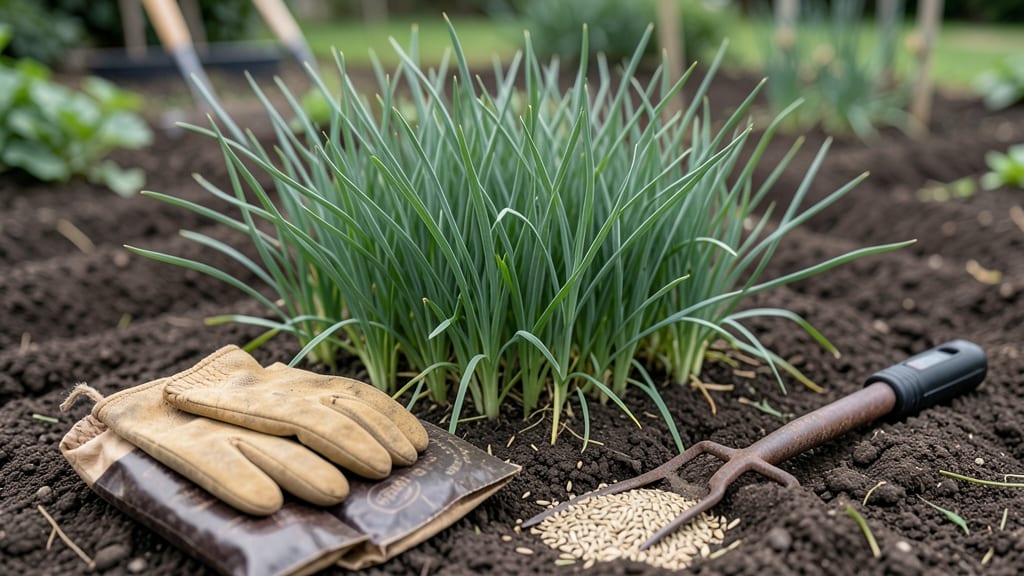
Planting winter rye 🌾 in Texas isn't just about the calendar—it's about catching that perfect soil temperature window between 50°F and 60°F for fast germination. Get it wrong, and you'll either waste seeds on early frost or struggle with weak growth when summer heat arrives.
Texas gardeners know the stakes: North Texas has just 4-6 weeks between ideal planting and first frost, while South Texas can stretch that window until December. The key? Understanding your region's frost dates and adjusting your timing to ensure winter rye establishes strong roots before winter sets in.
I'll show you exactly how to read your soil's temperature cues, avoid common mistakes, and time your planting for maximum coverage and soil health. Whether you're in Dallas or Houston, these strategies will help your winter rye thrive—no guesswork required.
Let's break down the science behind successful planting so you can enjoy a lush cover crop come spring, ready to improve your soil and protect against erosion. Your garden's future starts with the right timing.
Optimal planting windows for winter rye in Texas by region
Texas's diverse climate means winter rye planting dates vary dramatically from North to South. In North Texas (Dallas/Fort Worth, USDA zones 7b-8a), you’ll want to plant between mid-September and early October—this gives seeds time to germinate before first frost hits around December 1.
In Central Texas (Austin/San Antonio, zones 8a-9a), aim for late September to mid-November, while South Texas (Houston/Beaumont, zones 9a-10a) gardeners can plant as late as November without frost concerns.
The key to success is soil temperature. Winter rye germinates best when soil reaches 50–60°F at a depth of 1/2 inch. In North Texas, soil cools faster, so early September plantings are ideal.
Central Texas’s milder winters allow later starts, while South Texas’s warmer winters mean you can plant into early December if needed. Always check weekly soil temps to avoid missed windows.
Here’s a quick comparison of planting windows by region, including USDA zone adjustments and average frost dates to help you plan:
For North Texas gardeners, planting in early September ensures winter rye establishes before first frost. If you miss this window, wait until soil temps drop below 70°F—typically late October—but avoid planting after mid-November, as seedlings won’t have enough time to root before winter.
Use a soil thermometer to confirm conditions; 50°F is the magic number for germination.
In Central Texas, the longer growing season gives you flexibility. Start in late September for early winter cover or wait until October if you’re using winter rye to suppress weeds.
The milder climate means you can push plantings into early November, but avoid November 15+ to prevent frost damage to young seedlings.
South Texas’s warmer winters make it the easiest region for winter rye. Plant between October and December, but aim for October–November to maximize root establishment before potential light frosts. If you’re in zone 10a, you can even plant in December, though growth will slow significantly.
Always test soil moisture—South Texas’s humidity can lead to fungal issues if soil stays too wet.
Pro tip: If you’re late to plant, choose fast-germinating varieties like 'Cerro' or 'Wheeler'. These can establish in cooler soils (45–50°F) and give you a head start before winter sets in. Pair this with a light mulch (straw or leaves) to insulate roots and improve soil temperature stability.
Remember, winter rye’s purpose—whether for soil improvement, weed suppression, or livestock forage—depends on timely planting. Miss the window, and you’ll end up with weak growth or frost-killed seedlings.
Use this regional guide to align your planting with Texas’s climate and set your cover crop up for success.
🌾
Soil temperature triggers: how to test and time your planting
Winter rye thrives when planted at the right soil temperature, but Texas’s varied climate makes this tricky. Unlike cool-season crops, winter rye needs consistent warmth to germinate quickly—too cold, and seeds rot; too hot, and they dry out before sprouting.
The key? Monitoring soil temps at 1/2-inch depth (where seeds will rest) and adjusting your planting window accordingly. I’ve learned the hard way that a soil thermometer is your best friend here.
Most winter rye varieties germinate best when soil temperatures hover between 50°F and 60°F. In Texas, this typically aligns with late September to early November, but exact timing depends on your region.
For example, North Texas gardeners should aim for early September, while South Texas can wait until mid-October. The goal is to give seeds 4–6 weeks to establish roots before the first frost hits—without letting summer heat stress them out.
- 🌡️ Step 1: Check soil temp at 1/2-inch depth using a soil thermometer—this is where seeds will sit. Ideal range: 50–60°F for germination.
- 📅 Step 2: Plant when temps are consistently above 50°F for 5+ days. Early mornings are best—soil cools overnight, making it safer for seeds.
- 💧 Step 3: Moisten soil to 60% moisture before planting. Winter rye needs hydration to germinate, but avoid waterlogging.
- ⏳ Step 4: If temps drop below 45°F, delay planting or use a row cover to protect seedlings. Cold soil slows germination to a crawl.
- 🌱 Step 5: For late starts, choose cold-hardy varieties like ‘Avalon’ or ‘Wrens Abruzzi’. These tolerate brief frosts better than standard types.
I once planted winter rye in late October in Central Texas, thinking the soil was warm enough—only to watch it fail because nighttime temps dipped below 40°F. Always check early morning soil temps (right after sunrise) for the most accurate reading.
Pro tip: If your thermometer shows 55°F or higher at 1/2-inch depth, it’s prime time to plant. For cooler regions like the Hill Country, wait until mid-October to avoid frost damage.
Moisture matters just as much as temperature. Winter rye seeds need consistent moisture to germinate, but soggy soil can rot them. Aim for 60% soil moisture before planting—stick your finger in the soil. If it feels damp but not wet, you’re good to go.
After sowing, water lightly to settle seeds, then let natural rainfall take over. Overwatering at this stage is a common mistake that leads to mold or seed washout.
If you miss the ideal window, don’t panic. Winter rye is resilient! Planting in early November still works in most of Texas, especially if you use a light frost blanket for the first few weeks.
Just avoid planting after mid-November in North Texas—seeds won’t have enough time to establish before winter dormancy. For South Texas, you can stretch planting into early December, but monitor frost forecasts closely.
For gardeners in USDA Zones 9–10 (like the Rio Grande Valley), winter rye can even be planted in late fall or early winter—just aim for soil temps above 50°F and protect seedlings with row covers if frost threatens.
The key takeaway? Soil temperature > air temperature** when deciding planting dates. Use a thermometer, not a weather app, for accuracy.