
Flowers
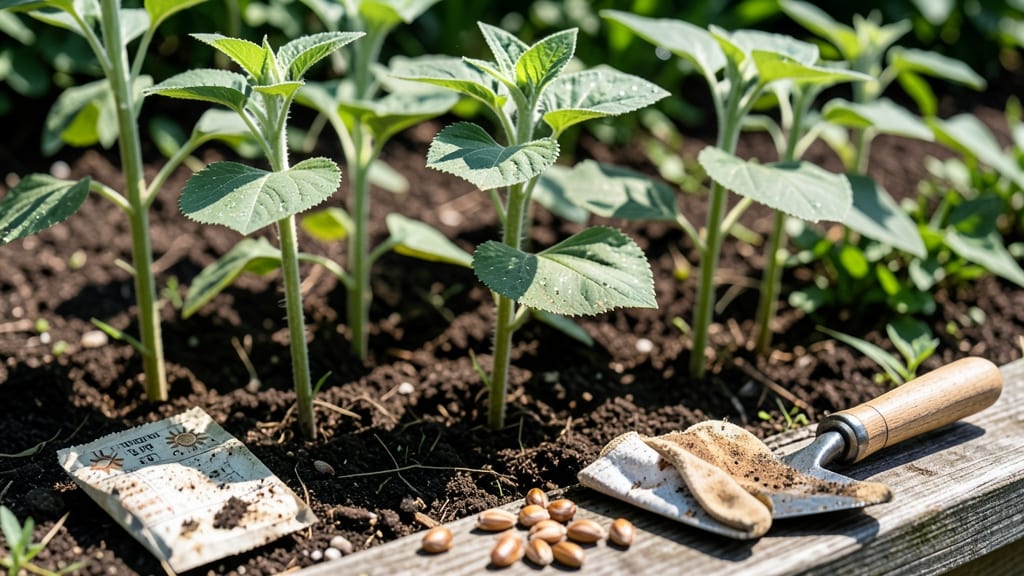
Planting sunflowers in Florida at the wrong time means slow germination, weak stems, or even no blooms—so timing isn’t just about seasons, it’s about soil temperatures that trigger fast growth.
With Florida’s unique climate zones, the best time to plant depends on whether you’re in North, Central, or South Florida, where frost risks and heat waves create very different conditions.
Most gardeners in the Sunshine State swear by late winter to early spring or late summer plantings, but those windows can shift by weeks depending on your exact location.
For example, North Florida’s cooler nights might delay germination until soil hits 60°F+, while South Florida’s warmth lets you start as early as February without worrying about frost.
What’s the fastest way to ensure your sunflowers 🌻 pop up in days instead of weeks? The secret lies in monitoring soil temps and choosing the right varieties for your microclimate.
I’ll break down the exact months that work best for your region—and how to adjust if Mother Nature throws a heatwave or early cold snap your way.
Skip the guesswork and learn how to time your planting for stronger stems, bigger blooms, and quicker harvests. Whether you’re a first-time gardener or a seasoned pro, these tips will help you grow sunflowers that stand tall all summer long.
Florida’s ideal planting windows for sunflowers: month-by-month breakdown by region
Florida’s climate lets you grow sunflowers almost year-round, but timing matters more than you’d think. Sunflowers need soil temperatures above 60°F to germinate, and Florida’s three regions—North, Central, and South—have wildly different frost risks and heat patterns.
Plant too early, and your seeds rot; too late, and your blooms suffer in summer’s brutal heat. Let’s break down the perfect planting windows for each zone to maximize your sunflower’s potential.
North Florida (Zones 8a-9a) faces the highest frost risk, while South Florida (Zones 10b-11) rarely sees frost at all. Central Florida (Zone 9a-9b) sits in the middle, offering a longer growing season. Soil temperature is your best guide—not just the calendar.
Use a soil thermometer to confirm 60°F+ for germination and 70°F+ for optimal growth. In this guide, I’ll share month-by-month windows tailored to each region, plus pro tips to avoid common pitfalls like seed rot in cool soil or heat stress in summer plantings.
| Region | Best Planting Months | Soil Temp Threshold | Frost Risk | Heat Tolerance | Bloom Time |
|---|---|---|---|---|---|
| North Florida (Zones 8a-9a) | March–April August–September |
60°F+ (March) 70°F+ (August) |
High (Jan–Feb) | Moderate (avoid June–July) | May–June Oct–Nov |
| Central Florida (Zones 9a-9b) | February–March July–August |
65°F+ (Feb) 75°F+ (July) |
Low (Dec–Jan) | High (avoid Sept–Oct) | April–May Sept–Oct |
| South Florida (Zones 10b-11) | January–February June–July |
70°F+ (year-round) | None | Very High (avoid Aug–Sept) | March–April Aug–Sept |
In North Florida, aim for March–April or August–September to avoid frost and extreme heat. The soil must reach 60°F+ for seeds to sprout—waiting for this threshold in March ensures strong starts. For Central Florida, February–March and July–August are your sweet spots.
The soil warms faster here, but July plantings need consistent watering to combat summer’s intensity. South Florida gardeners can plant almost year-round, but January–February and June–July give the best balance of mild temps and long daylight hours.
Pro tip: If you’re in North Florida and plant in August for fall blooms, choose heat-tolerant varieties like ‘Autumn Beauty’ or ‘Moulin Rouge’. These handle the late-summer heat better than standard types. Mulch heavily to keep soil cool and retain moisture—this is non-negotiable in Florida’s summer.
For spring plantings, start seeds indoors in February if your soil is still too cold, then transplant once temps stabilize.
Heat stress is the biggest enemy of sunflowers in Florida. If you plant in June or July, expect slower growth and smaller blooms unless you provide afternoon shade cloth during the hottest months. South Florida’s summer (August–September) can push soil temps above 90°F, which stunts germination.
If you’re determined to plant then, water deeply every 2–3 days and use shade cloth until seedlings emerge.
Don’t overlook fall plantings—they often yield bigger, healthier blooms than summer ones. In North Florida, aim for August seeds to bloom in October–November, before the first frost. Central and South Florida can extend this to September–October plantings.
The cooler temps and longer daylight of fall create ideal conditions for sunflowers, with less competition from pests like aphids and beetles.
For container growing, adjust your timeline by 2–4 weeks earlier than in-ground plantings. Pots heat up faster and dry out quicker, so monitor soil temps closely. If your container soil drops below 60°F, cover it with black plastic mulch to warm it up.
In South Florida, you can even grow sunflowers in winter (December–January) if you use row covers to protect against rare cold snaps.
One mistake I see often? Planting sunflowers in May for summer blooms. While it’s possible, the combination of heat and humidity often leads to powdery mildew or weak stems.
Instead, stick to spring or fall for the most reliable results. If you’re set on a summer crop, choose dwarf varieties like ‘Ted
Soil temperature secrets: how to test and optimize germination speed in Florida’s heat
Sunflowers love Florida’s warmth, but soil temperature is the real game-changer for fast germination. Unlike air temps, soil stays cooler in spring and hotter in summer—meaning your seeds might sit dormant or rot if you don’t check.
In my garden, I’ve seen 3-day germination in 75°F soil versus 2-week waits when temps dip below 60°F. The secret? Testing soil temps before planting and adjusting your approach based on your region.
Florida’s rapid temperature swings—especially in North Florida—can throw off germination. A cool March morning might hide 55°F soil that’s too chilly for sunflower seeds, while a 90°F+ August afternoon can bake seeds before they sprout.
The key is planting depth: deeper in hot soil (1–1.5 inches) keeps seeds cooler, while shallower (0.5–1 inch) works in spring’s milder temps. I’ll show you how to test soil temps at home—no fancy tools required.
🌱 Soil Temp Rules for Sunflower Germination
- 🌡️ 60°F+: Minimum for germination (wait for this in spring)
- 🌡️ 70°F+: Optimal growth speed (ideal for summer/fall)
- 🌡️ Above 85°F: Risk of seed rot (use shade cloth)
- 🌱 Plant depth: 0.5–1" in spring, 1–1.5" in summer
- ⏱️ Germination time: 3–7 days at 70°F, 10–14+ days below 60°F
To test soil temperature without a thermometer, use the finger test: press your finger into the soil 1–2 inches deep. If it feels cool but not icy, it’s likely 60°F+.
For a DIY tool, bury a thermometer in a cup of water (like a meat thermometer) at seed depth for 10 minutes—this mimics soil conditions better than air temp. I keep one buried near my garden beds year-round to track patterns.
In North Florida, soil temps lag behind air temps by 5–10°F, so don’t rush planting in March just because it’s warm outside.
Adjusting planting depth is your next move. In summer’s scorching heat (like July–August in South Florida), plant seeds 1–1.5 inches deep to shield them from surface heat. In spring’s cooler soil (March–April in North Florida), keep seeds 0.5–1 inch deep for faster sprouting.
I’ve found that shallow planting in spring cuts germination time by half compared to deeper plantings. For containers, use black plastic mulch to warm soil faster—this is a lifesaver in North Florida’s slow springs.
Florida’s humidity and heat create another challenge: seed rot when soil stays too wet. If your soil feels damp for more than 3 days after planting, your seeds may suffocate. To fix this, amend soil with perlite or coarse sand for better drainage, and avoid watering until sprouts appear.
In South Florida’s rainy season (June–September), I use raised beds with drainage holes to prevent waterlogged soil. For fall plantings, aim for September–October when soil temps stabilize at 70–75°F, avoiding the 90°F+ spikes of late summer.
One pro tip I swear by? Soak seeds overnight before planting in hot soil. This jumpstarts hydration and speeds up germination by 24–48 hours. Pair this with morning watering (never at night) to prevent fungal issues.
If you’re planting in August for fall blooms, use shade cloth until seedlings emerge—this can double your success rate in South Florida’s brutal summer. Remember, patience pays off: waiting for the right soil temp ensures stronger stems and bigger blooms all season long.
Don’t let Florida’s heat fool you—soil temperature is the real clock for sunflower success. With these tricks, you’ll outsmart the heat and grow sunflowers that sprout fast, stand tall, and bloom bright—no matter where you garden in the Sunshine State. 🌻