
Companion Plants
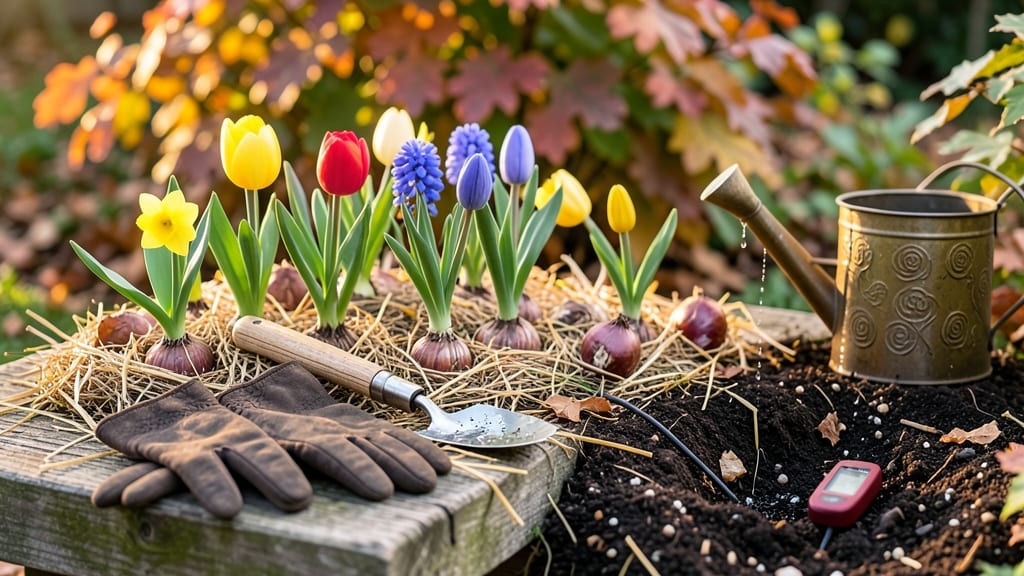
Planting your bulbs in the fall at the wrong time can mean the difference between a stunning spring display and a garden disappointment. The key isn't just guessing when to dig—the soil temperature triggers the entire process, and getting it right ensures those 🌱 beauties establish strong roots before winter.
Most gardeners in USDA Zone 6a (like me!) aim to plant 6-8 weeks before the first frost, but the real magic happens when soil temps hit that sweet spot between 50-60°F.
Too early, and your bulbs might rot; too late, and they won’t root deep enough for next year’s blooms.
I’ve learned the hard way—skipping soil prep or rushing the timing can leave you with weak stems or no flowers at all. But with the right approach, you’ll get perfect blooms year after year, no matter if you’re planting tulips, daffodils, or alliums.
Let’s break down exactly how to time it right, from checking soil temps to avoiding common mistakes that kill your bulbs before spring. Ready to set your garden up for success?
Fall bulb planting timeline by US hardiness zones and soil temperature
Getting your fall bulb planting right means understanding your USDA hardiness zone and soil temperature triggers. Bulbs need 4-6 weeks of cool soil (between 50-60°F) to establish roots before winter dormancy.
Plant too early, and roots rot; too late, and blooms suffer. Let’s break down the perfect planting windows for zones 3-8, where most gardeners live.
Your zone determines when to plant, but soil temperature is the real game-changer. A soil thermometer (just $15) reveals when conditions are ideal. For example, in Zone 5, aim for 60°F soil by early October, while Zone 8 gardeners wait until November.
Microclimates—like sunny slopes or shady spots—can shift timing by 2-3 weeks, so test your soil!
Here’s the key: bulbs need root growth before frost. If planted too early, roots may grow but get damaged by freeze-thaw cycles. Too late, and they won’t establish before winter.
The 6-8 week rule before your first frost date is your best guide. Use the table below to find your zone’s exact window.
| USDA Zone | Ideal Planting Window | Soil Temp Threshold | First Frost Date | Microclimate Adjustment |
|---|---|---|---|---|
| Zone 3 | Mid-August to early September | 50-55°F | Late September | Plant 1-2 weeks earlier in sunny spots |
| Zone 4 | Late August to mid-September | 50-58°F | Mid-October | Delay 1 week in shady areas |
| Zone 5 | Early to mid-September | 55-60°F | Late October | Adjust ±1 week for elevation changes |
| Zone 6 | Mid-September to early October | 58-62°F | Early November | Wait 1 week in wet climates |
| Zone 7 | Late September to mid-October | 60-65°F | Mid-November | Plant early in dry regions |
| Zone 8 | October to early November | 62-68°F | Late November | Avoid planting after first frost |
*Soil temp thresholds assume average conditions; adjust for sandy (warmer) or clay (cooler) soils.
For Zone 3-4 gardeners, early planting is critical. Tulips and daffodils thrive when planted in mid-August, giving roots time to harden before winter. In Zone 5-6, aim for September—this aligns with 55-60°F soil, perfect for hyacinths and crocuses.
Meanwhile, Zone 7-8 gardeners can wait until October, but don’t delay past 65°F soil or risk weak blooms.
Regional variations matter too. In the Pacific Northwest, cooler soils mean planting 2 weeks earlier, while Southern California gardeners can push to early November.
Always check your local frost dates (use the National Weather Service or Old Farmer’s Almanac) and adjust by ±1 week based on your yard’s microclimate. A south-facing slope warms faster, while a north-facing bed stays cooler.
Pro tip: Test your soil at 10 AM on a cloudy day for the most accurate reading. Dig a hole 6 inches deep and check the temp with your thermometer. If it’s below 50°F, wait a week.
If it’s above 65°F, you’ve missed the window—bulbs may sprout too early and rot. Patience pays off with stronger roots and bigger blooms!
Don’t forget tender bulbs like dah
5 Critical soil conditions that determine perfect fall planting success
While soil temperature gets all the attention for fall bulb planting, I’ve found that moisture levels, drainage, and organic matter are just as critical for success.
These factors create the perfect environment for bulbs to establish roots before winter—without them, even the best timing can lead to rot or weak growth. Let’s break down what truly matters beyond the thermometer readings.
First, your soil must stay consistently moist but never soggy after planting. Bulbs need 1-2 inches of water per week until the ground freezes, but poor drainage can turn that moisture into a death sentence.
I once planted daffodils in a low spot where water pooled, and half rotted before spring. The fix? Amend heavy clay with compost or perlite to improve aeration and prevent waterlogging.
Here’s the exact checklist I follow to guarantee success—these are the non-negotiable conditions for fall bulb planting:
🌱 5 Critical Soil Conditions for Fall Bulb Planting
- 1. Soil Temperature: 50-60°F (use a soil thermometer to confirm—this triggers root growth).
- 2. Moisture Balance: Keep soil evenly damp (not waterlogged) until frost. Mulch with 2-3 inches of straw to retain moisture.
- 3. Drainage Test: Dig a hole, fill with water—if it doesn’t drain in 1 hour, amend with sand or compost.
- 4. Organic Matter: Mix in 2-3 inches of compost to provide nutrients for root development over winter.
- 5. Frost Prediction: Plant 4-6 weeks before your average first frost (check Almanac.com for local dates).
One mistake I see often is ignoring organic matter in the soil. Bulbs like tulips and alliums thrive when planted in soil with at least 5% organic content. I test mine with a simple squeeze test: if the soil crumbles easily, it’s ready.
If it sticks together like clay, add well-rotted manure or leaf mold to improve structure.
Don’t overlook frost prediction tools either. I use the National Weather Service’s frost calendar to time my planting—it’s free and saves me from guessing. For example, in Zone 6a, I aim to finish by mid-October, but in colder Zone 4, I plant by early October.
The key is matching your local frost date to the 6-8 week window before dormancy.
Finally, drainage is the silent killer of bulbs. I’ve lost entire batches of hyacinths because they sat in waterlogged soil over winter. To fix this, I always plant on a slight slope or in raised beds.
If your yard is flat, create mounds or use gravel layers at the bottom of planting holes. A quick percolation test (pouring water and timing drainage) tells you everything you need to know.
Master these 5 conditions, and your bulbs will thank you with vibrant, healthy blooms next spring—no matter where you garden. The secret isn’t just when you plant; it’s how well you prepare the soil first. 🌷