
Companion Plants
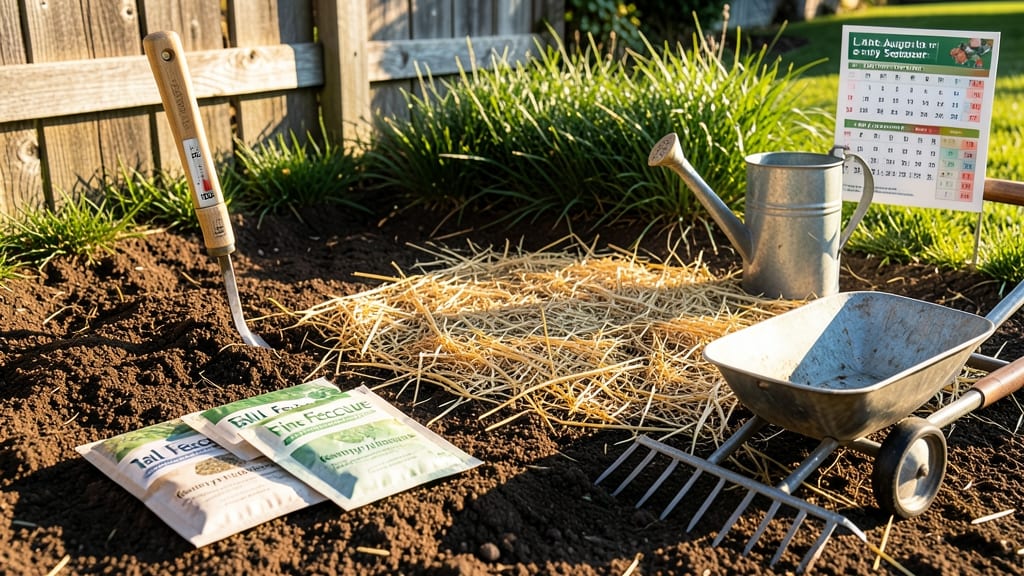
Planting grass seed in Minnesota’s unpredictable climate isn’t just about picking a date—it’s about outsmarting frost, weeds, and those sudden summer heatwaves that can turn your hard work into a crispy lawn disaster.
The right timing isn’t just a suggestion; it’s the difference between a lush, green carpet and a patchy, struggling yard that never quite lives up to your vision.
If you’ve ever stared at a seed packet wondering, "Why does it say ‘spring’ but my neighbor swears by fall?"—you’re not alone. Minnesota’s USDA Zones 3-5 throw a curveball with early frosts creeping in by mid-October and late springs that can linger well into May.
The key isn’t guessing; it’s knowing the 10-21 day germination window for cool-season grasses like Kentucky bluegrass and fine fescue—and how to protect your investment when the thermometer drops.
I’ve spent years testing what works (and what doesn’t) in Minnesota lawns, and the secrets aren’t just about the calendar. It’s about soil prep, watering tricks, and avoiding the 5 critical mistakes that kill grass seed before it even gets a chance to root.
Whether you’re a first-time homeowner or a gardening pro, these insights will help you time your planting like a local—so your lawn thrives, not just survives.
Let’s cut through the confusion and get your 🌱 Grass (Lawn Grass) off to the strongest start possible—because in Minnesota, the best time to plant isn’t just a season. It’s a strategy.
Best months to plant grass seed in Minnesota (by climate zone)
Minnesota’s diverse climate zones mean your grass seed timing depends heavily on where you live. The Northwest and Northeast face colder springs, while the Southeast enjoys milder conditions. For cool-season grasses like Kentucky bluegrass and fine fescue, planting too early risks frost damage, and planting too late invites weeds.
Let’s break down the optimal windows by zone to maximize germination and survival.
Cool-season grasses thrive when soil temperatures stay between 50°F and 65°F. In Minnesota, this typically means early spring (March-April) or early fall (September-October). Fall planting is often preferred because seedlings establish roots before winter, giving them a head start in spring.
However, regional frost dates and soil conditions create variations—so let’s dive into the specifics for each zone.
Here’s a quick reference for average last frost dates across Minnesota’s zones to help you plan:
For the Northwest and Northeast zones, spring planting should wait until after the last frost date—typically mid-May—because early seeds risk being killed by late frosts. In these areas, fall planting in September is often the safer bet, as seedlings have time to root before winter sets in.
I’ve planted in Duluth and found that fine fescue handles the cooler soils better than Kentucky bluegrass in these regions.
In North Central Minnesota, like around St. Cloud, you can push spring planting slightly earlier—mid-April—because the soil warms faster than in the north. However, always check a local frost calendar before planting, as late frosts can still occur.
For fall, aim for early September to avoid the first frost, which usually hits by mid-October. I recommend Kentucky bluegrass mixes here for their resilience to Minnesota’s temperature swings.
The South Central and Southeast zones offer the most flexibility. In Minneapolis and Rochester, you can start as early as mid-March for spring planting, but I’ve learned the hard way that planting too early can lead to slow germination if the soil is still cold.
For fall, the Southeast can extend planting into mid-October thanks to its milder climate. In these zones, perennial ryegrass germinates quickly and is a great choice for fast coverage.
Regardless of your zone, soil temperature is the ultimate deciding factor. Use a soil thermometer to confirm temperatures are above 50°F before planting. In my experience, fall planting often yields better results because the cool, moist soil promotes root growth without the stress of summer heat or early spring frosts.
Plus, you’ll avoid battling weeds that thrive in bare soil during the summer months.
One common mistake I see is planting too late in fall. If you miss the 6-week window before the first frost, your seedlings won’t have enough time to establish roots.
In Minnesota’s Southeast, this means wrapping up by mid-October, while in the Northwest, you’re looking at early September. Always double-check your local USDA zone and historical frost data to avoid disappointment.
Pro tip: If you’re torn between spring and fall,
How to prepare your Minnesota lawn for fall vs. spring planting
Deciding between fall and spring planting in Minnesota isn’t just about the calendar—it’s about giving your grass the best shot at survival. Both seasons have advantages, but the preparation steps differ dramatically.
In my experience, fall planting often wins for Minnesota’s climate because seedlings establish roots before winter, while spring planting races against late frosts and summer weeds. Let’s break down the critical steps for each season to ensure 90%+ germination success.
For both seasons, start with a soil test to check pH (ideal: 6.0-7.0) and nutrient levels. Minnesota’s clay-heavy soils often need amendments like compost or peat moss to improve drainage. I’ve seen lawns fail because the soil was too compacted—don’t skip this step!
Fall planting benefits from warmer soil and cooler air, reducing stress on young seedlings, while spring planting requires vigilance against late frosts that can wipe out tender sprouts overnight.
Fall Planting vs. Spring Planting in Minnesota
Fall Planting
- ✅ Pros:
- Seeds germinate in cool soil
- Established roots before winter
- Fewer weeds compete for space
- Moisture retention is higher
- ❌ Cons:
- Limited window before frost
- Requires precise timing
- Less sunlight in late fall
Spring Planting
- ✅ Pros:
- Longer growing season ahead
- Warmer soil speeds germination
- More sunlight for growth
- ❌ Cons:
- Late frosts can kill seedlings
- Weeds germinate faster
- Drought risk in summer
- Requires more watering
"Fall planting is my go-to for Minnesota—it’s like giving your lawn a head start on the race to summer."
When preparing your lawn, weed control is non-negotiable. For fall planting, apply a pre-emergent herbicide in late summer to prevent weeds from sprouting with your grass. In spring, use a post-emergent herbicide like corn gluten meal to target existing weeds before seeding.
I’ve seen crabgrass take over entire lawns because homeowners skipped this step—don’t let that happen to you!
Choose the right grass seed mix for your zone. In Minnesota’s Northwest, fine fescue thrives in cooler soils, while Kentucky bluegrass works better in the South Central region. For fall planting, opt for perennial ryegrass if you need fast germination, or tall fescue for durability.
Spring planters often prefer Kentucky bluegrass mixes for their vibrant green color, but check your local nursery for recommendations tailored to your USDA zone.
After seeding, watering is critical. For fall plantings, water lightly twice daily (morning and evening) to keep the soil moist but not soggy. In spring, increase to deep watering once daily until germination occurs (usually 10-21 days).
I use a rain gauge to track moisture—Minnesota’s unpredictable rains can either drown or dehydrate your seedlings if you’re not careful. Always water in the early morning to reduce evaporation and fungal risks.
Post-planting care differs by season. In fall, apply a light layer of mulch (like straw) to protect seeds from temperature swings, but avoid heavy mulch that can smother sprouts. Spring plantings need regular mowing once the grass reaches 3-4 inches to encourage dense growth.
I’ve found that fall-fertilized lawns (with a high-phosphorus starter fertilizer) outperform spring-fed ones because the nutrients are available when roots need them most.
Remember, Minnesota’s short growing season demands precision. Whether you choose fall or spring, test your soil, control weeds, and monitor moisture religiously. With the right prep, your lawn can achieve that lush, green look even in our challenging climate—no matter when you plant. 🌱