
Plants
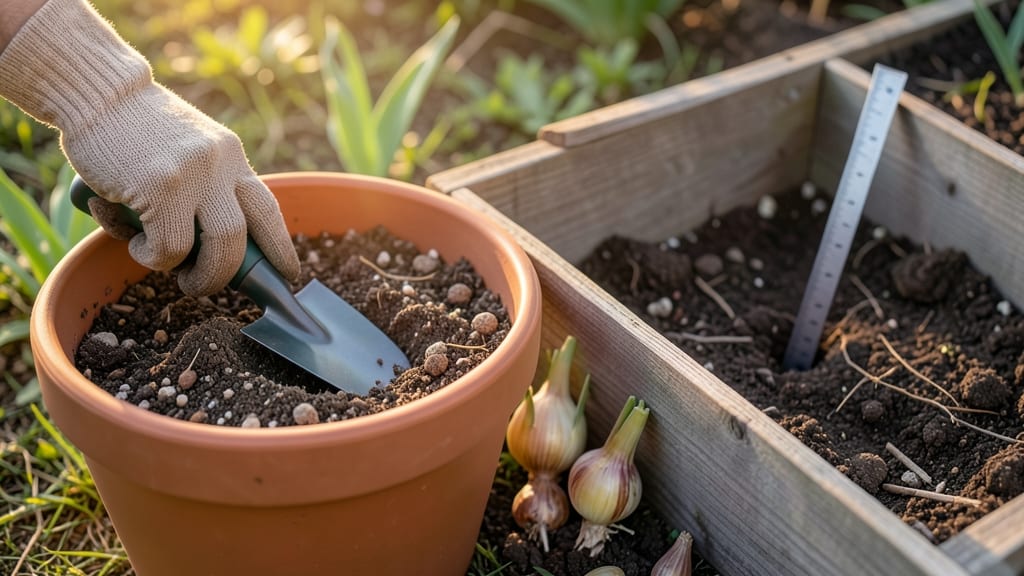
Planting Spring Flowering Bulbs in the ground at the wrong time can mean the difference between a garden bursting with color and one that barely puts on a show.
The secret to stunning blooms lies in understanding when to plant—whether you're in the middle of fall or scrambling to catch spring.
For most gardeners in zones like 6a, fall planting is the golden window—4-6 weeks before the ground freezes—but spring can still work with the right approach. I’ll break down the exact timing, climate adjustments, and even troubleshoot what happens if you plant too early or too late.
You don’t need a green thumb to get this right. With a few simple rules—like soil temperature cues and regional frost dates—you’ll know precisely when to dig. Let’s make sure your bulbs get the perfect start for next spring’s showstopper blooms.
Whether you’re a seasoned gardener or just starting, these insights will help you avoid common mistakes and maximize your Spring Flowering Bulbs’ potential. Ready to transform your garden? Let’s get planting!
Fall planting rules for bulbs: why most gardeners succeed with autumn timing
Fall is the golden window for planting most bulbs because cooler temperatures and shorter days trigger natural dormancy cycles that strengthen roots before winter.
When you plant bulbs in the ground during autumn, they establish a robust root system while the soil is still warm enough to encourage growth—but not so warm that they’ll sprout prematurely. This 6-8 week window between 60°F and 50°F soil temps is critical for success.
The science behind fall planting lies in a bulb’s biological clock. Many spring-blooming bulbs (like tulips, daffodils, and crocuses) need a period of cold stratification to break dormancy and flower the following year.
Planting too early or too late disrupts this process, leading to weak blooms or no flowers at all. For example, in USDA Zone 6a, like our sample data shows, the ideal window is 4-6 weeks before the ground freezes—typically late September through early November.
Here’s the summary-table breaking down the best times to plant bulbs in the ground, adjusted for your climate zone:
| Climate Zone | Ideal Planting Months | Soil Temp Range | Key Cues |
|---|---|---|---|
| Cold Climates (Zones 3-5) | September-October | 50°F–60°F | Daytime temps drop below 70°F; soil is still workable |
| Temperate (Zones 6-7) | October-November | 45°F–55°F | First frost date approaching; bulbs need 6-8 weeks to root |
| Mild (Zones 8-10) | November-December | 55°F–65°F | No frost; plant before winter rains begin |
For cold climates (Zones 3-5), aim to plant bulbs 6-8 weeks before the ground freezes. This ensures roots establish before winter sets in. In temperate zones (6-7), like our USDA Zone 6a example, the window narrows to 4-6 weeks before frost.
If you’re in a mild zone (8-10), you can plant later—even into December—since frost isn’t a concern. The key is to avoid planting when soil temperatures drop below 40°F, as this can stunt root growth.
Preparing bulbs for winter dormancy starts with soil conditions. Bulbs thrive in well-draining soil with a slightly acidic to neutral pH (6.0-7.0). Before planting, amend your soil with compost or aged manure to improve fertility and drainage. Avoid fresh manure, which can burn bulb roots.
Dig a hole 2-3 times as deep as the bulb’s height—for example, a 2-inch-tall tulip bulb should go 4-6 inches deep. This depth protects bulbs from freeze-thaw cycles and rodent damage.
Another critical factor is watering strategy. After planting, water deeply to settle soil around roots and encourage root growth. Then, reduce watering in late fall to prevent rot before dormancy sets in.
In winter, bulbs rely on stored moisture, so only water if there’s no snow cover and the ground remains dry. Overwatering at this stage can lead to rot or fungal diseases, which are the last things you want before spring blooms.
Regional adjustments are key to success. In northern states, where winters are harsh, plant bulbs earlier (by late September) to give roots time to establish.
In southern climates, where winters are mild, you can plant later (even in December), but avoid planting when soil is waterlogged. For example, in Zone 7b, where first frost occurs around November 15, aim to plant by mid-October.
Always check your local last frost date and adjust accordingly.
One common mistake is planting bulbs too shallow, which exposes them to temperature fluctuations and pests. Another is fertilizing in fall, which encourages top growth instead of root development.
Instead, wait until early spring to apply a balanced fertilizer (10-10-10) once shoots emerge. This timing ensures bulbs have the nutrients they need to bloom vigorously without disrupting their dormancy cycle.
To maximize success, I recommend testing your soil’s moisture and temperature before planting. Use a soil thermometer to confirm temps are in the ideal 50°F–60°F range. If your soil is too dry, water it a day or two before planting to help bulbs settle in.
For heavy clay soils, mix in sand or perlite to improve drainage. These small adjustments
Spring planting bulbs: when and how to bypass fall for late starters
Missed the fall planting window? Don’t panic—many bulbs can thrive when planted in spring with the right approach. While fall planting gives bulbs time to root before winter, spring planting still works if you choose the right varieties and follow proper techniques.
The key is selecting fast-blooming bulbs and preparing the soil to mimic fall conditions as closely as possible.
Spring planting requires extra attention to soil temperature and watering consistency. Bulbs planted in spring need to establish roots quickly before summer heat sets in. Unlike fall planting, where bulbs can slowly root over winter, spring-planted bulbs must develop roots in just a few weeks.
This means deeper watering and richer soil to support rapid growth.
⚠️ callout-warning ⚠️
Spring bulb planting must happen 4-6 weeks before your area’s first frost—typically by early spring (March-April in most zones). Planting too late risks bulbs sprouting before roots establish, leading to weak or no blooms. Check your last frost date and work backward to schedule planting.
Pro Tip: Use a soil thermometer to ensure soil temps are 50-60°F (10-15°C)—ideal for root growth before summer heat arrives.
Start by selecting spring-blooming bulbs like tulips, daffodils, and crocus, which tolerate spring planting better than fall-only varieties. Avoid hyacinths and alliums, which struggle with spring planting due to their longer dormancy needs.
For best results, choose smaller bulbs (like tulip "Darwin Hybrid" or daffodil "Tête-à-Tête"), as they establish roots faster than larger varieties.
Prepare the planting area by loosening the soil to a depth of 12-15 inches and mixing in compost or aged manure to boost nutrient levels. Unlike fall planting, where bulbs rely on stored energy, spring-planted bulbs need immediate access to nutrients.
Add a slow-release bulb fertilizer (like 10-10-10) to the planting hole to support early root growth.
Water deeply immediately after planting—aim for 1 inch of water per week to keep the soil consistently moist but not soggy. Mulch with 2-3 inches of straw or shredded leaves to retain moisture and regulate soil temperature.
Avoid overhead watering, which can spread disease; instead, use a soaker hose or drip irrigation to deliver water directly to the roots.
Monitor your bulbs closely for signs of sprouting, which can happen as early as 4-6 weeks after planting. If shoots appear before roots are established, protect them from frost by covering the area with frost cloth at night.
Once blooms emerge, reduce watering slightly but keep the soil moist until foliage yellows—this ensures the bulb stores energy for next year’s blooms.