
Plants
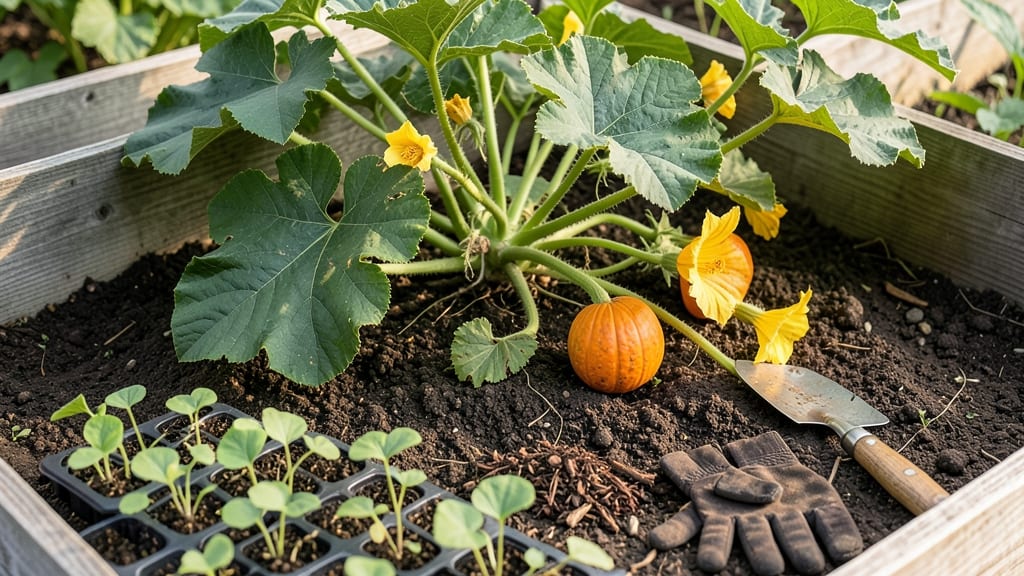
Planting pumpkins in Indiana at the wrong time could mean watching your seeds turn into sad, frost-nibbled memories instead of a 🎃-filled harvest.
The key to success lies in understanding your USDA Zone 5b-6b frost dates and soil conditions—because Indiana's spring weather can be as unpredictable as a rollercoaster ride.
If you're eager to grow pumpkins for carving, baking, or just admiring their vines, timing is everything. Most Indiana gardeners should aim to plant their seeds between mid-April and early June, but the exact window depends on where you live in the state.
Northern Indiana may need to wait until late May, while southern regions can start earlier.
I've learned the hard way that rushing too early can lead to frost damage, while planting too late might leave your pumpkins struggling to mature before fall. The solution? Check your local frost dates, prepare your soil properly, and choose the right varieties for your region.
In this guide, I'll walk you through the exact planting timeline, soil prep tips, and how to handle Indiana's notorious late frosts. Let's get those pumpkins growing strong and healthy so you can enjoy a bountiful harvest from late September to November.
Indiana pumpkin planting calendar: exact dates by USDA Zone 5-6
Indiana’s USDA Zones 5b-6b offer a 165-day frost-free window—perfect for growing pumpkins. But timing matters! Northern regions like Fort Wayne (Zone 5b) have later last-frost dates than southern areas like Indianapolis (Zone 6a).
Miss the window, and you risk stunted growth or frost damage. Let’s break down the exact dates to plant for a bountiful harvest.
Pumpkins thrive in warm soil, so wait until the ground reaches 60°F (15°C) at least 1 inch deep. In Indiana, this typically aligns with mid-April to early June, but regional differences matter.
For example, Fort Wayne’s average last frost is April 25, while Indianapolis usually sees its final frost by April 15. Plan accordingly to avoid late frost risks.
Direct sowing is the preferred method for pumpkins, but you can start seeds indoors 4-6 weeks before the last frost date if you’re worried about cold snaps. Use biodegradable pots to transplant seedlings later. For Indiana’s climate, aim to have hardened-off seedlings ready by mid-May as a safety net.
Here’s your Indiana pumpkin planting calendar, tailored to both northern and southern regions:
*Backup dates assume late frost protection with row covers or cold frames.
For direct sowing, plant pumpkin seeds 1 inch deep in hills spaced 4-6 feet apart. Each hill should have 2-4 seeds for better germination rates. In Indiana’s climate, seeds typically germinate in 7-14 days when soil temps are ideal.
Thin seedlings to the strongest 2 plants per hill once they’re 3-4 inches tall.
If you’re transplanting seedlings, harden them off for 7-10 days before moving them outdoors. Choose a sunny, well-draining spot with at least 6-8 hours of sunlight daily. Amend the soil with compost or aged manure to improve fertility, as pumpkins are heavy feeders.
Aim to transplant by late May in northern Indiana or early May in southern regions.
Heat zones also play a role in Indiana. Southern areas like Louisville (Zone 6b) can handle earlier plantings, while northern zones like Gary (Zone 5b) need to wait until after May 10 to avoid frost.
Monitor your local microclimate—low-lying areas or urban heat islands may warm up faster than rural spots. Use a soil thermometer to confirm readiness.
Pro tip: Mulch around hills with straw or leaves to retain moisture and regulate soil temperature. This is especially helpful in Indiana’s unpredictable spring weather, where temperatures can swing from 40°F to 80°F in a week. Mulch also helps prevent soil-borne diseases common in humid Indiana summers.
Plan for a 90-120 day harvest window. Most pumpkin varieties mature in 3-4 months, so aim to plant by mid-June at the latest for a fall harvest.
Late plantings may not fully mature before the first frost (mid-October in northern Indiana). Choose fast-maturing varieties like 'Jack Be Little' (75 days) if you’re pushing the timeline.
Finally, keep an eye on the Indiana State Climate Office for real-time frost forecasts. If a late frost warning pops up, use row covers or cold frames to protect young seedlings. With the right timing and a little preparation, you’ll be carving perfect pumpkins by Halloween! 🎃
How to adjust pumpkin planting for Indiana’s unpredictable weather
Indiana’s spring weather can be as unpredictable as a rollercoaster—one day warm and sunny, the next with a surprise frost. When planting pumpkins, this variability means you need a flexible strategy.
The key is to balance soil temperature, frost dates, and seedling protection to give your pumpkins the best shot at success. I’ve learned that even a few degrees difference can mean the difference between a thriving vine and a frost-bitten failure.
If you’re worried about late frosts, don’t panic—there are proven strategies to protect your seedlings. For example, using row covers or cold frames can buy you extra time, especially if you’re planting in northern Indiana where frosts linger longer.
These tools create a microclimate that shields young plants from 32°F (0°C) temperatures, which can be deadly for tender pumpkin seedlings.
Another game-changer is choosing cold-hardy varieties like 'Jack Be Little' or 'Waltham Butternut.' These varieties can tolerate cooler soil and lighter frosts better than traditional pumpkins. If you’re planting in late May or early June, these cold-tolerant options give you a safety net against Indiana’s infamous late spring frosts.
I’ve had great success with 'Jack Be Little'—it matures in just 75 days, making it perfect for short Indiana summers.
⚠️ WARNING: Late Frost Risks in Indiana Don’t let a false sense of security fool you—Indiana’s last frost dates are averages, not guarantees. Even if your region’s average last frost is April 15, a late frost in May can still happen.
Here’s what to watch for: - Soil temperature below 60°F (15°C): Pumpkin seeds won’t germinate properly. - Nighttime temps dropping below 50°F (10°C): Seedlings can suffer damage. - Frost warnings after planting: Act fast with row covers or move seedlings indoors temporarily.
If you’re planting in northern Indiana (Zone 5b), wait until after May 10 to avoid frost risks. Southern Indiana (Zone 6b) can start as early as mid-April, but always check a soil thermometer before planting.
A quick check in the morning can save your seeds from sitting in cold soil for weeks.
For gardeners who love to play it safe, starting seeds indoors 4-6 weeks before the last frost date is a smart move. Use biodegradable pots to avoid disturbing roots during transplanting.
Harden off seedlings for 7-10 days before moving them outdoors—this gradual adjustment helps them handle Indiana’s temperature swings like a pro. Once outdoors, place seedlings in a sunny, sheltered spot and use mulch to keep soil temperatures stable.
If you’re direct sowing, plant seeds 1 inch deep in hills spaced 4-6 feet apart. This spacing gives vines room to spread while keeping the soil warm. In Indiana’s climate, seeds typically germinate in 7-14 days when soil temps are ideal.
If germination takes longer, use a seedling heat mat to speed things up. Once seedlings emerge, thin them to the strongest 2 plants per hill to reduce competition for nutrients.
Finally, keep an eye on the Indiana State Climate Office for real-time frost forecasts. If a late frost is predicted, cover seedlings with floating row covers or lightweight blankets. These barriers trap heat and protect young plants until temperatures rise.
With the right adjustments, you can turn Indiana’s unpredictable weather into an advantage—giving your pumpkins the perfect start for a bountiful harvest by Halloween! 🎃