
Plants
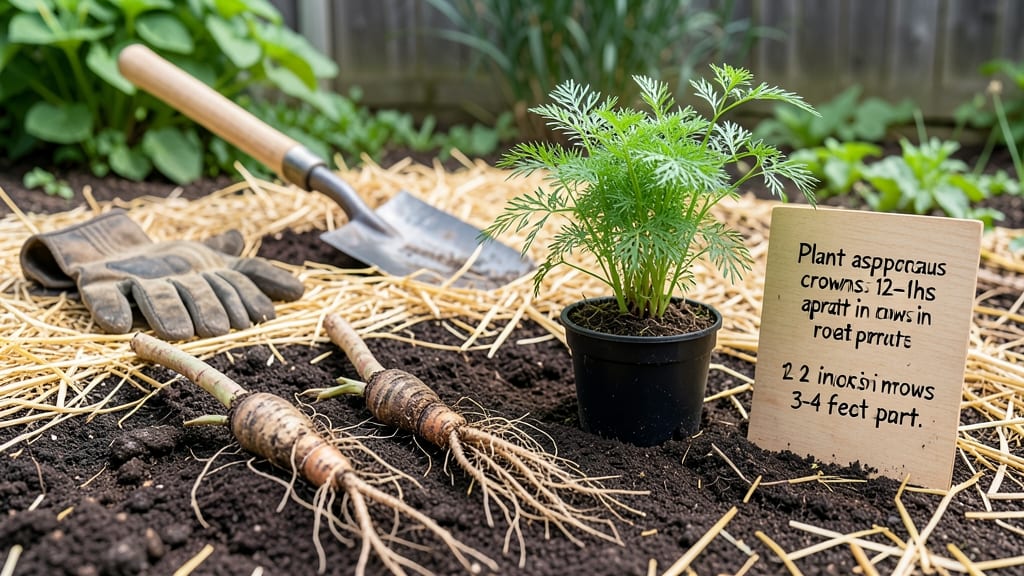
Planting asparagus in Utah at the wrong time can mean waiting years for your first harvest—or worse, losing your crop before it even starts.
This hardy 🌱 vegetable thrives in Utah’s 5b-7b zones, but getting the timing right is everything. Too early, and frost will nip your young shoots. Too late, and summer’s heat will stress your plants before they establish.
The sweet spot? Early spring when soil warms to 50-60°F—typically March to April—but microclimates like St. George or the Wasatch Front may need adjustments.
I’ve grown asparagus in Utah for years, and the key is matching your elevation to local frost dates.
Whether you’re in the Salt Lake Valley or a high-desert town, I’ll show you exactly when to plant crowns, how to prep your soil, and what to watch for in those first critical weeks. Let’s get your asparagus off to the right start.
Once you nail the timing, you’ll enjoy years of harvests—but only if you avoid these common Utah mistakes. We’ll cover everything from soil prep to post-planting care so your asparagus bed becomes the star of your garden.
Utah’s ideal asparagus planting timeline by soil temperature & frost dates
Utah’s diverse microclimates mean your asparagus planting window can vary by hundreds of miles—from St. George’s desert heat to Park City’s late frosts. The key? Planting when soil reaches 50-60°F and after your average last frost date.
In Utah’s USDA zones 5-7, this typically falls between mid-March and early April, but timing shifts with elevation and urban heat islands.
For crown planting (the preferred method), aim to get your 1-year-old crowns in the ground 2-3 weeks before your last frost.
This gives roots time to establish before spear emergence in spring. Seeds, on the other hand, need a longer warm-up period—plant them 4-6 weeks before last frost in well-warmed soil (60°F+).
Utah’s three key regions—Salt Lake Valley, St. George, and Park City—have distinct frost-free timelines. Salt Lake City’s average last frost is April 15, while St. George’s is March 15 (earlier due to desert warmth).
Park City’s high-elevation frosts can linger until May 1. Use these local benchmarks to fine-tune your planting schedule.
Soil temperature is your true planting guide, not just frost dates. Asparagus crowns won’t thrive in cold, soggy soil. Use a soil thermometer to confirm 50°F+ at 4-inch depth before planting. In Utah’s clay-heavy soils (common in Cache Valley), wait until soil reaches 60°F to prevent rot.
Here’s how Utah’s three regions compare for asparagus planting timing, including soil warmth and frost risk:
| Region | USDA Zone | Avg. Last Frost | Ideal Planting Window | Soil Temp. Threshold | Notes |
|---|---|---|---|---|---|
| Salt Lake City | 6b-7a | April 15 | March 20 - April 10 | 50-60°F | Urban heat islands may warm soil earlier; test with thermometer. |
| St. George | 8a-9a | March 15 | February 20 - March 15 | 55-65°F | Desert climate; water immediately after planting to establish roots. |
| Park City | 5b-6a | May 1 | April 15 - May 1 | 50-55°F | Late frosts common; use row covers if planting early. |
If you’re planting asparagus seeds instead of crowns, Utah’s shorter growing season in colder zones (like Park City) makes this trickier. Seeds need 8-10 weeks to germinate and establish, so start them indoors in February under grow lights or use a seedling heat mat.
Transplant outdoors only after soil warms to 60°F+ and all frost risk has passed.
Pro tip: Extend your Utah asparagus season by choosing cold-hardy varieties like ‘Mary Washington’ (zones 4-9) or ‘Purple Passion’ (zones 5-8). These tolerate light frosts and perform well in Utah’s high-desert soils.
For St. George’s heat, opt for ‘Jersey Knight’, which handles 100°F+ temps better than standard varieties.
Miss the ideal planting window? Don’t panic—fall planting is possible in Utah’s milder zones (St. George). Plant crowns in late September to allow roots to establish before winter dormancy. In colder zones (Park City), wait until spring to avoid freeze damage to young roots.
After planting, mulch heavily (3-4 inches of straw or wood chips) to retain soil moisture and regulate temperature. Utah’s dry winds can desiccate young plants, so water deeply weekly until spears emerge.
Avoid harvesting in Year 1—let the plant focus on root establishment for a bigger harvest in Year 3.
Timing your asparagus planting in Utah isn’t just about frost dates—it’s about balancing soil warmth, local microclimates, and plant maturity. With these
Step-by-step asparagus planting guide for Utah’s microclimates
Utah’s diverse microclimates—from the high desert heat of St. George to the cooler mountain air of Ogden—demand tailored asparagus planting strategies. The key is adapting to your local soil temperature and frost risk.
In low-elevation areas like St. George, you can plant as early as late February when soil reaches 50°F. Meanwhile, in higher elevations like Park City, wait until mid-April to avoid late frosts.
I’ve learned that soil prep is just as critical as timing—Utah’s alkaline soils often need amendments to create the perfect growing environment.
Before you plant, test your soil pH—aim for 6.5-7.5. Utah’s clay-heavy soils in places like Salt Lake City drain poorly, so I always raise beds or mix in compost and sand to improve drainage.
For high-desert areas, focus on moisture retention with organic mulch, while mountain gardens benefit from windbreaks to protect young plants. Let’s dive into the exact steps to plant asparagus successfully in your Utah microclimate.
Step-by-Step Asparagus Planting for Utah
- 1 Choose the right crowns: Select 1-year-old asparagus crowns (not seeds) for faster harvests. Utah’s USDA zones 5b-7b suit varieties like Mary Washington (hardy) or Purple Passion (heat-tolerant for St. George).
- 2 Prepare the bed: Dig a 12-inch-deep trench (or raised bed) in full sun. For clay soils, mix in compost and perlite. In sandy soils (like Moab), add peat moss to retain moisture.
- 3 Plant at the right depth: Place crowns 8-12 inches deep, roots facing down. Space 12-18 inches apart in rows 3 feet apart for airflow. In St. George’s heat, plant slightly deeper to cool roots.
- 4 Adjust for microclimates: In Ogden’s cooler zones, mulch with straw to protect from late frosts. In St. George’s desert, use gravel mulch to prevent overheating.
- 5 Water deeply after planting: Give 1-1.5 inches of water immediately, then weekly for the first month. In mountain areas, water in morning to avoid frost; in desert areas, water evenings to reduce evaporation.
- 6 Fertilize lightly: Apply 10-10-10 fertilizer at 1/2 cup per plant in April and May. Avoid over-fertilizing—Utah’s alkaline soils can burn roots if overloaded.
- 7 Protect from pests: Use row covers in early spring for cutworms. In St. George, watch for aphids; in Ogden, deer may browse young shoots—use fencing if needed.
After planting, resist the urge to harvest spears in the first year—let your asparagus build roots. In Utah’s high desert, you’ll see spears by year 2, while mountain gardens may take an extra year due to cooler temps.
Once established, asparagus is drought-tolerant, but I still water deeply every 2 weeks during Utah’s dry summers. With these steps, you’ll enjoy <