
Plants
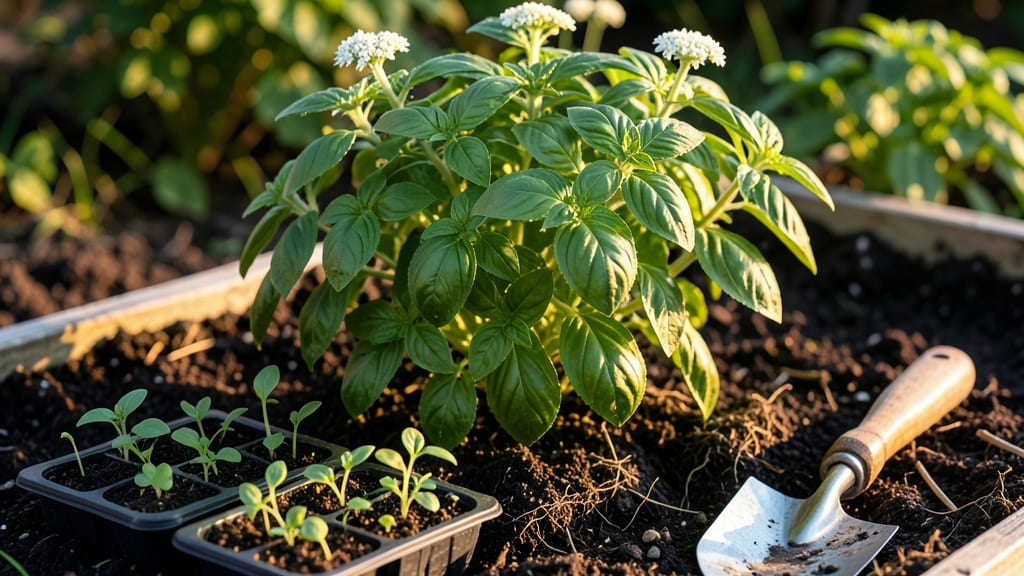
Timing your basil planting just right in California isn’t one-size-fits-all—get it wrong, and you’ll either wait months for growth or watch your plants bolt before harvest. The best window depends on whether you’re in coastal fog zones, the Central Valley’s heat, or desert areas where frost is a distant memory.
I’ve grown basil across California’s microclimates, and the difference between a thriving plant and a struggling one often comes down to when you stick that seed in the ground.
Coastal gardeners can start earlier, while inland growers should wait until soil warms to avoid stunted plants. Let’s break down the exact months that work for your region.
You’ll learn how to align planting with your local frost dates, choose heat-tolerant varieties for desert areas, and even extend your harvest season with smart timing tricks. No more guessing—just zero-frost success from spring to fall.
Whether you’re a first-time gardener or a seasoned green thumb, these region-specific tips will help you grow basil that’s lush, flavorful, and ready to harvest when you need it most.
California basil planting calendar by region: coastal vs. desert vs. Valley timelines
California’s basil planting success hinges on understanding your microclimate. Coastal areas like San Francisco stay cooler with fog delays, while desert zones like Palm Springs demand early spring starts.
Even the Central Valley has distinct frost-free windows. Let’s break down the optimal planting months for each region to ensure flavorful, bolting-free harvests.
Basil thrives in warm soil (above 60°F) and consistent sunlight. Planting too early in coastal fog zones risks stunted growth, while inland areas must avoid summer bolting.
The key is timing: spring for coastal, late winter for deserts, and early spring for valleys. Let’s dive into the specifics to match your location.
🌱 Pro Tip: Use heat-tolerant varieties like Genovese or Thai basil in desert regions, while Sweet basil works best in coastal areas. Always test soil temperature—65°F+ is ideal for germination.
| Region | Optimal Planting Window | Soil Temp Requirement | Heat-Tolerant Varieties | Frost Risk |
|---|---|---|---|---|
| Coastal (San Francisco, Santa Barbara) | Mid-April to early May | 60–65°F (15–18°C) | Sweet Basil, Purple Basil | Low (rare below 32°F) |
| Central Valley (Sacramento, Fresno) | Late February to March | 65–70°F (18–21°C) | Genovese, Thai Basil | Moderate (frost possible) |
| Desert (Palm Springs, Joshua Tree) | January to early February | 70–75°F (21–24°C) | Lemon Basil, Spicy Globe | None (frost-free) |
| Sierra Foothills (Sacramento, Napa) | Late March to April | 62–68°F (17–20°C) | Sweet Basil, Holy Basil | High (frost likely) |
| North Coast (Eureka, Redwood) | Late April to May | 58–62°F (14–17°C) | Sweet Basil, Lettuce Leaf | Moderate (coastal fog) |
For coastal regions, wait until mid-April when nights stay above 50°F.
The Central Valley can start as early as late February, but protect seedlings with frost cloth if frost warnings appear. Desert areas should plant in January to beat the summer heat—shade cloth becomes essential by June.
In Sierra foothills, avoid planting before late March due to late spring frosts. The North Coast mirrors coastal timing but may need row covers for early morning fog. Always monitor soil temperature—a soil thermometer is your best friend for precision.
Once planted, maintain consistent moisture (1–2 inches per week) and mulch heavily to retain soil warmth. Succession plant every 2–3 weeks in spring to extend harvests. In desert zones, afternoon shade prevents leaf scorch, while coastal areas benefit from morning sun to dry dew quickly.
Remember: Basil bolts when stressed by heat or long days. In June, switch to container growing and move pots to partial shade if temperatures exceed 90°F. With these region-specific timelines, you’ll enjoy fresh basil from spring to fall—no matter where you garden in California.
🌿 Key Takeaway: Coastal = wait until April, Desert = plant in January, Valley = start in February. Adjust varieties and care based on your local microclimate for zero-frost success!
How to extend basil’s growing season in California: succession planting & heat management
California’s summer heat can turn your basil from lush green leaves to bitter, flowering stalks in weeks—unless you use succession planting and smart heat management.
I’ve learned that staggered plantings every 2-3 weeks create a continuous harvest window, while shade cloth and companion plants keep your basil thriving even when temps hit 95°F. The key is balancing sun exposure with temperature control to avoid bolting.
Basil hates sudden heat spikes, which is why coastal gardeners can start earlier (March-April) than inland growers (May-June). My Central Valley plants bolt by July if I don’t use shade cloth, but with the right timing, I’ve kept them productive until October.
Let’s break down the exact techniques that work in my garden—and yours.
- 🌱 Start succession plantings every 2-3 weeks from March (coastal) to June (inland) for continuous harvests
- ☀️ Use 30% shade cloth when temps exceed 85°F to prevent bolting
- 🌿 Plant basil with tomatoes—they thrive together and deter pests
- 💧 Water deeply in mornings to keep roots cool and soil moist
- ✂️ Prune top leaves weekly to encourage bushier growth and delay flowering
My first trick is staggered planting. Instead of one big batch, I sow seeds every 2-3 weeks from March through June. This ensures I always have young, tender plants ready for harvest while older plants mature.
For example, my first planting in March gives me leaves by May, while my June planting keeps me going until fall. The secret? Use bioretention cells or containers for flexibility.
Heat management is where most gardeners fail. Basil bolts when temps hit 85°F for 3+ days. I solve this with 30% shade cloth during peak afternoons (12 PM–4 PM).
For desert areas like Palm Springs, I start seeds indoors in February and move them to shaded outdoor spots by April. Thai basil varieties handle heat better than Genovese, so I always keep a few of those on hand.
Companion planting works wonders. I pair basil with tomatoes, peppers, and oregano—they share similar water needs and repel pests like whiteflies. My tomato-basil combo in containers stays productive until October, while standalone basil plants often bolt by August.
Mulching with straw or wood chips also keeps roots cool and retains moisture, cutting my watering needs by 30%.
Don’t forget to prune regularly. Pinching off the top set of leaves when plants reach 6 inches tall encourages bushier growth and delays flowering. I harvest leaves in the morning after dew dries for maximum flavor and to avoid stressing the plant.
With these techniques, I’ve extended my basil harvest from 3 months to 6 months—no gaps, no bitterness, just fresh leaves all season.