
Plants
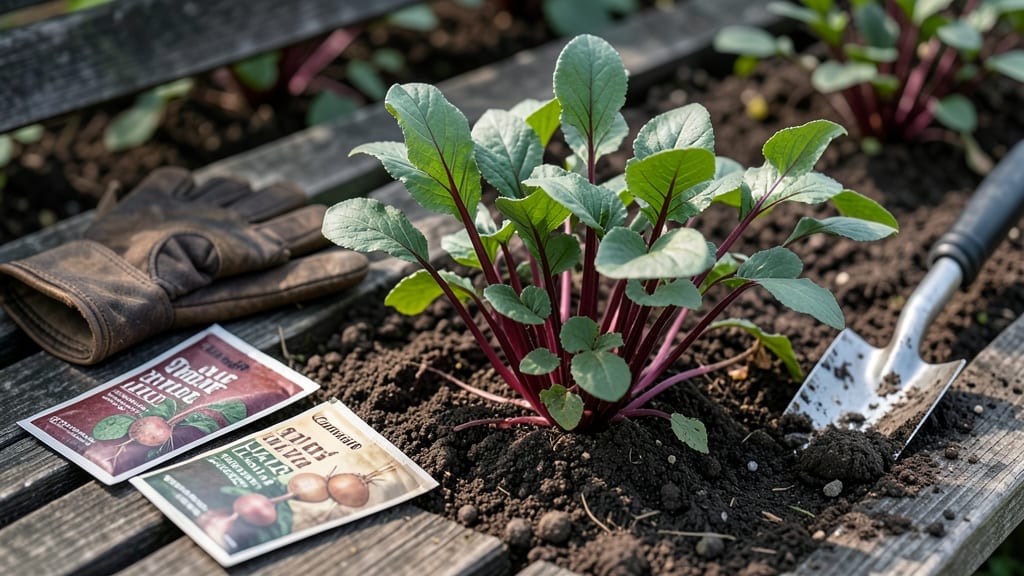
Planting beets in Zone 5b at the wrong time means either waiting forever for harvest or watching frost turn your hard work into mushy disappointment. The sweet spot for these cool-weather lovers is a narrow window that balances soil warmth and frost risk.
Most gardeners in 5b swear by early spring planting—think March to April—when soil temperatures hit 45°F but before the heat of summer forces bolting. But there's a trickier second chance: late summer sowings in July to August that mature before October's first frost.
Why does timing matter so much? Beets need 50-70 days to reach harvest size, and planting too late risks stunted roots or bitter greens. I'll show you exactly how to align your schedule with Zone 5b's climate quirks—including soil prep secrets and frost-proofing hacks.
Whether you're aiming for baby beets in June or storage roots by October, these strategies will help you beat the clock. Let's dive into the precise moments that turn your garden into a beet bonanza.
Optimal planting windows for beets in Zone 5b: early vs late season
Beets love cool weather but hate extremes—plant them too early in Zone 5b, and they’ll bolt (go to seed) before you harvest. Plant too late, and frost will turn those sweet roots into icy mush.
The key is timing: spring planting for early harvests and fall planting to stretch your season. Let’s break down the exact windows and soil conditions to maximize your beet yield.
In Zone 5b, your last average frost date is around April 15, and the first frost typically arrives October 15. Beets thrive when soil temps hover between 45°F and 80°F, but they’ll bolt if exposed to consistent temps above 80°F or if days get too long.
That’s why spring and fall plantings work best—cool temps keep them happy and slow-growing.
Here’s the critical comparison between your two best planting windows in Zone 5b, including exact dates, soil prep, and frost risks:
| Spring Planting (Early Season) | Fall Planting (Late Season) | ||
|---|---|---|---|
| Timing | Key Details | Timing | Key Details |
| When to Plant | March 15–April 15 (4–6 weeks before last frost) | When to Plant | July 15–August 15 (8–10 weeks before first frost) |
| Soil Temp | 45°F–65°F (use row covers if soil is too cold) | Soil Temp | 50°F–70°F (avoid planting if soil >75°F) |
| Frost Risk | Low (plant after last frost date) | Frost Risk | High after October 1 (use mulch/row covers) |
| Bolting Risk | High if planted too early (seeds may sprout in cold soil) | Bolting Risk | Low (cool nights prevent bolting) |
| Harvest Window | June–July (45–60 days after planting) | Harvest Window | October–November (50–70 days after planting) |
| Soil Prep | Add compost, loosen soil to 12 inches deep | Soil Prep | Test pH (6.0–7.0), amend with organic matter |
| Pro Tip | Sow seeds ½ inch deep, thin to 2–3 inches apart | Pro Tip | Use cold-hardy varieties like ‘Detroit Dark Red’ |
For spring planting, start seeds indoors 4–6 weeks before your last frost (around mid-February) if you’re eager for an early harvest. Direct-sow outdoors once soil temps hit 45°F and stay consistent.
If you plant too early, seeds may rot in cold soil or bolt prematurely when temps spike. Avoid planting after April 15—the longer daylight hours will trigger bolting.
For fall planting, your goal is to harvest before hard frosts (after October 1). Aim to sow seeds 8–10 weeks before your first frost (around mid-July). Choose bolting-resistant varieties like ‘Cylindra’ or ‘Golden’ for a sweeter, slower-to-bolt harvest.
If nights dip below 30°F, protect your beets with row covers or mulch to prevent frost damage to the roots.
One trick I swear by? Succession planting every 2 weeks in spring and 3 weeks in fall. This ensures a steady supply of fresh beets without overcrowding.
For example, plant a batch on March 15, another on March 30, and a final one on April 15—you’ll have harvests spanning June through July. Repeat the process in July and August for fall crops.
Watch out for soil temperature surprises. Even if air temps feel spring-like, the ground might still be too cold. Use a soil thermometer to confirm temps are at least 45°F before planting.
If it’s colder, wait or use black plastic mulch to warm the soil faster. Conversely, in late summer, shade cloth can lower soil temps and prevent bolting.
Protecting your fall beets from frost is non-negotiable. Once temps drop below 30°F, cover rows with floating row covers or straw mulch. Beets can tolerate light frosts, but roots will turn mushy if frozen solid.
Harvest any beets you can before hard frosts hit—October is your last chance for a sweet harvest in Zone 5b.
Remember: Beets are cool-weather champions, but they’re not frost-proof. Master these planting windows, and you’ll enjoy sweet, tender roots from June through November—no bitter surprises in sight! 🌱
How to extend the beet harvest season in Zone 5b without risking frost
Zone 5b gardeners know the struggle: you plant beets for a fall harvest, but frost sneaks in before you can enjoy those sweet roots. The secret to beating frost isn't just timing—it's combining cold-hardy varieties, succession planting, and protective strategies that shield your crop when temps drop.
With these methods, I've extended my beet harvest from June through November without losing a single root to frost.
First, let's tackle the biggest mistake most Zone 5b gardeners make: assuming all beets are frost-tolerant. While beets can handle light frosts (down to 25°F), their roots will turn mushy if frozen solid.
The key is to harvest before hard frosts (after October 1) or use protective measures to safeguard your crop. Here's how to do both:
-
Choose Frost-Resistant Varieties
Detroit Dark Red and Cylindra tolerate light frosts better than most. For baby beets, try Babybeat—its small size means faster harvests before frost hits. Always check seed packets for "cold-hardy" labels.
-
Master Succession Planting
Plant every 2 weeks in spring (March–April) and every 3 weeks in fall (July–August). This staggered approach ensures a continuous harvest. For example, a March 15 planting yields June beets, while an August 1 planting gives October harvests.
-
Use Row Covers for Protection
Floating row covers raise temps by 5–8°F and block frost. Install them when nighttime temps drop below 35°F. For heavier frosts, add straw mulch (4–6 inches) around plants to insulate roots.
-
Warm Soil with Black Plastic
Lay black plastic mulch 2–3 weeks before planting to raise soil temps by 10–15°F. Remove it once seeds sprout. This trick jumpstarts spring plantings and extends fall harvests by keeping roots growing longer.
-
Harvest Strategically
Prioritize harvesting smaller beets (1–2 inches) in fall—they mature faster and can be pulled before hard frosts. Leave larger roots in the ground until temps drop to 28°F, then harvest and store in a cool, dark place.
Don't overlook soil preparation—it's the foundation of frost protection. Amend your soil with compost or aged manure before planting to improve drainage and warmth retention. Beets grown in cold, wet soil are more vulnerable to frost damage. Aim for a soil pH of 6.0–7.0 and test it before planting.
For late-season beets, I always plant a shade-tolerant companion crop like lettuce nearby. The lettuce provides partial shade, which can lower soil temps slightly and reduce bolting risk. Plus, it acts as a living mulch, suppressing weeds and retaining moisture.
Just be sure to harvest the lettuce first—beets need full sun to reach their full potential.
When frost finally arrives, don't panic. Beets can survive light frosts (25–30°F), but their greens will wilt. Simply trim the leaves and store the roots in a cool, dark place for up to 2 weeks.
If temps drop below 20°F, pull and eat them immediately—they'll still be sweet and tender! With these strategies, you'll enjoy fresh beets for months without frost ruining your harvest. 🌿