
Plants
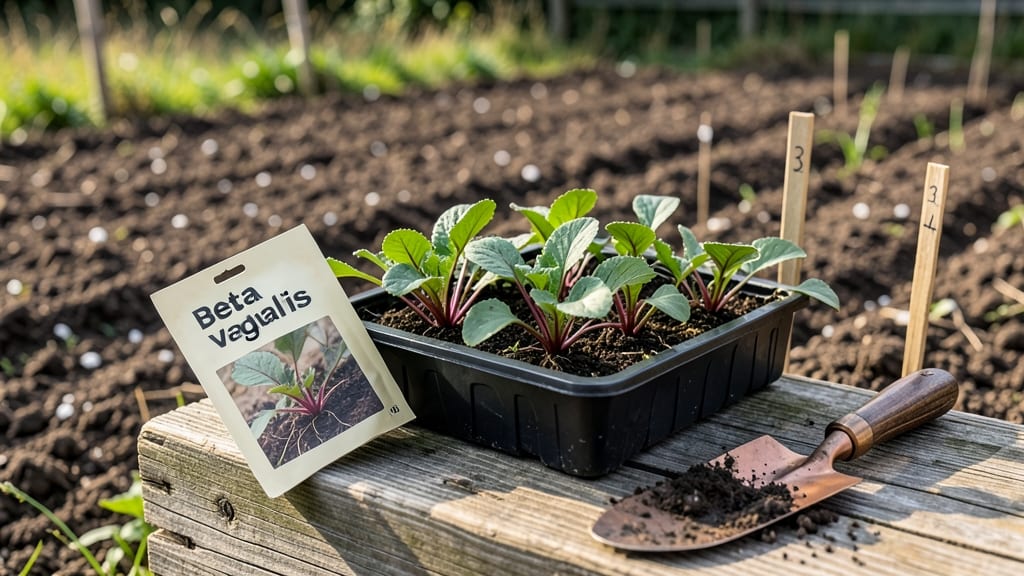
Planting beets in Zone 6b at the wrong time can turn your fast harvests into a gamble—either bolting too early or rotting before you get to taste them.
Here’s the secret: 🍠 beets love cool soil, so timing them 2–3 weeks before your last frost (around early March to mid-April) gives them the perfect head start. But don’t stop there—late summer (July–August) is your second chance for a fall harvest, if you act fast.
Why does this matter? In Zone 6b, where summers can be unpredictable, missing the window means either waiting too long for tender roots or dealing with bitter, woody beets. I’ll show you exactly how to nail those planting dates—and avoid the common mistakes that ruin even the best-laid plans.
Ready to grow beets that are sweet, plentiful, and ready to harvest in 50 days or less? Let’s get started.
Best planting times for beets in Zone 6B: early spring & late summer
Beets are one of the most forgiving root vegetables for Zone 6B gardeners, but their ideal planting windows require precision. Unlike heat-loving crops, beets thrive in cooler temperatures (40–75°F), making early spring and late summer your best bets.
Plant too early, and you risk bolting (going to seed prematurely); plant too late, and you’ll miss the frost-free window for a full harvest.
In Zone 6B, where the last frost typically arrives around April 15 and the first frost hits October 15, timing is everything. The 4–6 week harvest window for beets means you’ll need to plan two distinct planting cycles: one in early spring (March–April) and another in late summer (July–August).
This strategy ensures a steady supply of fresh, tender roots.
Here’s the key difference: Spring-planted beets mature just as summer heat arrives, while summer-planted beets grow in cooler fall temperatures, avoiding the stress of high heat. Both methods work, but each has unique soil temperature and frost considerations.
| Planting Window | Ideal Months (Zone 6B) | Soil Temperature | Key Considerations | Harvest Window |
|---|---|---|---|---|
| Early Spring | March–April (4–6 weeks before last frost) | 40–55°F (seeds germinate at 45°F) |
|
June–July (45–60 days after planting) |
| Late Summer | July–August (8–10 weeks before first frost) | 55–75°F (avoid planting when soil >80°F) |
|
September–October (50–70 days after planting) |
🌱 Pro Tip: For a continuous harvest, stagger plantings every 2–3 weeks in spring and 3–4 weeks in summer.
For early spring plantings, I always start seeds indoors under grow lights 4–6 weeks before the last frost date. This head start gives seedlings a better chance to establish roots before competing with weeds.
Once soil temperatures consistently reach 45°F, you can transplant seedlings outdoors or direct-sow seeds. Use a soil thermometer to monitor—beets won’t germinate well in cold, wet soil.
Late summer plantings are trickier because Zone 6B summers can be unpredictably hot. I recommend sowing seeds in July when daytime highs start to dip below 85°F. If your soil feels warmer than 75°F, wait a week or two to avoid slow germination.
Varieties like 'Chioggia' or 'Golden' beets handle heat slightly better than 'Detroit' types, which bolt more easily.
One common mistake I see is planting beets too close to the last frost in spring. If you wait until mid-April in Zone 6B, your harvest might coincide with summer heat stress, leading to woody roots.
Instead, aim for late March for an early June harvest. Similarly, don’t plant summer beets after mid-August—they won’t mature before frost.
To maximize your harvest, pair these planting windows with succession planting. Sow a new row every 2 weeks in spring and 3 weeks in summer to ensure a steady supply.
For example, if your last frost is April 15, start your first spring planting on March 15, then follow with plantings on March 30, April 10, and April 20. This staggered approach guarantees fresh beets from late May through July.
If you’re worried about bolting (when beets flower prematurely), focus on cool soil temperatures and consistent moisture. Bolting happens when beets sense long daylight hours or heat stress. In Zone 6B, this is more likely in late spring if you plant too early.
To prevent it, use shade cloth during heatwaves and mulch heavily to keep roots cool. Varieties like 'Early Wonder' are bolt-resistant and ideal for beginners.
Finally, don’t overlook soil preparation. Beets prefer loamy, well-draining soil with a pH of 6.0–7.0. Work in compost or aged manure before planting to provide nutrients without encouraging rapid leafy growth (which competes with root development).
A light application of 5-10-10 fertilizer at planting time gives them a gentle boost without risking bolting.
With these two planting windows and a few extra precautions, you’ll enjoy homegrown beets from June through October—just in time for roasting, pickling, or fresh salads. The key is patience and attention to soil temperature, not just calendar dates. Happy planting! 🌿
How to extend your beet harvest in Zone 6B: succession planting & cold frames
Want a steady supply of homegrown beets from spring to fall? Succession planting and cold frames are your secret weapons in Zone 6B. By staggering plantings every 2-3 weeks and protecting tender crops, you can harvest fresh beets from May through October—or even later with the right setup.
Let’s break down the exact steps to maximize your yield without bolting or frost damage.
Start by planning your planting schedule around Zone 6B’s 165 frost-free days. The key is to sow seeds early enough for a 60-day harvest window before summer heat sets in, then repeat every few weeks.
For late-season extensions, cold frames can push harvests into November or even December if protected from hard freezes. Pair this with companion planting to deter pests and improve soil health.
Step-by-Step Guide to Succession Planting & Cold Frame Use
- 1 Start Early Spring Plantings: Sow seeds 4-6 weeks before your last frost date (typically mid-March in Zone 6B). Use 1/2-inch deep spacing, 1 inch apart, in rows 12 inches apart for easy thinning.
- 2 Stagger Plantings Every 2-3 Weeks: After your first sowing, repeat every 14-21 days until mid-July. This ensures a continuous harvest as older beets mature while new seedlings grow.
- 3 Use Cold Frames for Late Harvests: Plant a final late-summer batch (early August) in a cold frame to extend harvests into fall and winter. Cold frames add 5-10°F warmth, protecting beets from light frosts (down to 20°F).
- 4 Thin Seedlings Properly: Once seedlings reach 2 inches tall, thin to 3-4 inches apart to prevent competition. Use thinned seedlings in salads or relish for zero waste!
- 5 Companion Plant for Pest Control: Interplant beets with garlic, onions, or lettuce to deter leaf miners and beetles. Avoid planting near pole beans, which compete for nutrients.
- 6 Harvest Strategically: Pull small beets (1-2 inches) first for baby greens, leaving larger roots to mature. In cold frames, harvest every 2-3 weeks until soil temps drop below 40°F.
Pro tip: Mark your planting dates on a garden calendar to avoid gaps. For example, if your first batch goes in March 15, follow up with April 5, April 25, May 15, June 5, and July 15 for a non-stop harvest.
Pair this with mulching to retain moisture and suppress weeds—especially critical during Zone 6B’s unpredictable summer rains.
Cold frames are a game-changer for late-season beets. A simple PVC-framed box with clear plastic (or a pre-made kit) can add 2-3 extra months to your growing season.
Just ensure proper ventilation to prevent overheating during 70°F+ days. I’ve kept beets growing in my cold frame until November 15 with minimal protection!
Don’t forget to rotate crops annually to prevent soil-borne diseases like beet curly top virus. If you’re short on space, try container growing—beets thrive in 5-gallon pots with well-draining soil.
With these techniques, you’ll enjoy homegrown beets year-round, even in Zone 6B’s cool, variable climate. 🌱