
Plants
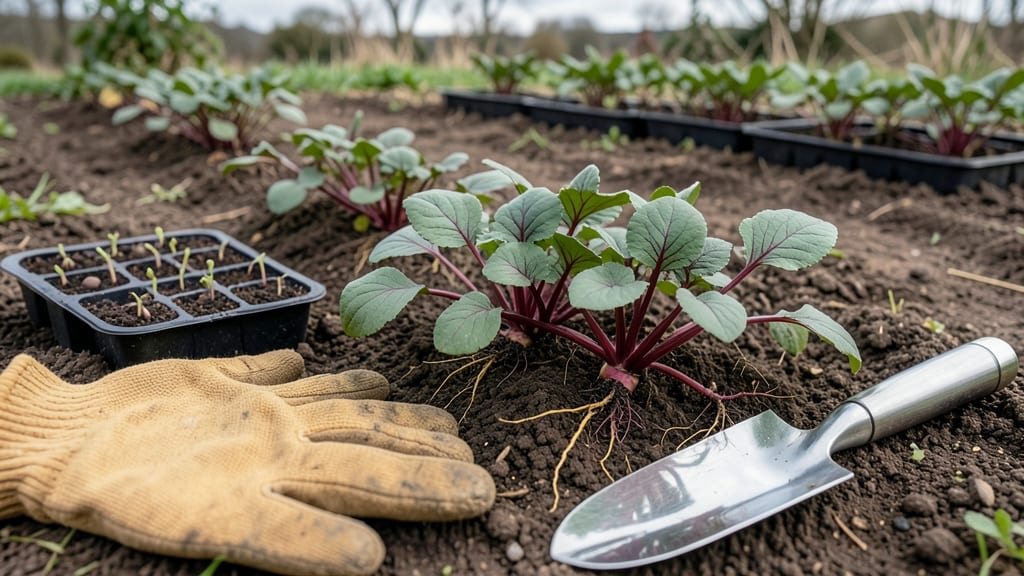
Planting beets at the right time in Zone 7b can transform your garden from a hit-or-miss experiment to a reliable harvest of sweet, tender 🍠 roots. Skip the guesswork—miss the window, and you’ll end up with tough, woody beets that taste like disappointment (trust me, I’ve been there).
The key lies in understanding your local frost dates and soil temperatures. In Zone 7b, where last frosts typically hit around mid-March and first frosts arrive by mid-November, timing matters more than you’d think.
Plant too early, and cold soil will stall germination; too late, and summer heat will turn your beets bitter.
But here’s the good news: beets are one of the most forgiving vegetables to grow, giving you two prime planting windows—early spring and late summer.
Whether you’re aiming for a May harvest or a fall feast, I’ll break down the exact months to plant, plus pro tips to stretch your growing season for continuous harvests.
Ready to grow beets that actually taste good? Let’s dive into the perfect planting schedule for Zone 7b, so you can enjoy fresh, homegrown beets all season long—without the trial and error.
Zone 7B beet planting calendar: frost dates & optimal timing
In Zone 7B, where the last spring frost typically arrives around March 15 and the first fall frost hits about November 15, timing your beet planting is everything.
Beets thrive in cool weather and bolt when temperatures climb above 80°F, so understanding these frost dates helps you avoid bitter, woody roots. I’ve planted beets for years in this zone, and I’ve learned the hard way that rushing or delaying can ruin your harvest.
Beets are cool-season crops, meaning they grow best when soil temperatures hover between 50°F and 75°F. If you plant too early, cold soil delays germination, while planting too late risks bolting—when the plant sends up a flower stalk and turns tough.
The key is to start seeds when the soil is at least 50°F and air temperatures stay below 85°F for optimal growth.
Spring planting is your best bet for a summer harvest, while fall planting extends your season into early winter. In Zone 7B, I’ve found that sowing seeds 4-6 weeks before the last frost (around early March) and again 8-10 weeks before the first frost (around early September) gives me two bountiful harvests. Let’s break down the exact windows and what you need to watch for.
| Planting Window | Soil Temp Threshold | Air Temp Threshold | Frost Risk | Harvest Window |
|---|---|---|---|---|
| Early Spring (March 1 - April 15) | 50°F - 60°F | 40°F - 70°F | Low (after last frost) | May - June |
| Late Summer (August 1 - September 1) | 60°F - 70°F | 60°F - 80°F | Moderate (before first frost) | October - November |
| Succession Planting (April 15 - August 15) | 55°F - 75°F | 50°F - 80°F | Low to Moderate | June - October |
For spring planting, aim to sow seeds 4-6 weeks before your last frost date (around early March in Zone 7B). This gives your beets enough time to mature before summer heat sets in.
I’ve had great success with Detroit Dark Red and Golden varieties when planted in early March, as they tolerate cooler soil temperatures better than some heirlooms. Use a soil thermometer to confirm temperatures are above 50°F before planting.
If you miss the spring window, don’t worry—fall planting is just as productive. Start seeds 8-10 weeks before your first frost (around early September in Zone 7B) for a harvest before winter sets in.
Beets actually sweeten as temperatures drop, so fall-planted beets often taste even better than their spring counterparts. Just be sure to choose varieties with shorter maturity times, like Babybeat or Chioggia, to avoid bolting.
Succession planting is another trick I swear by for a continuous harvest. After your initial spring planting, sow new seeds every 2-3 weeks until early August. This ensures you’re always pulling fresh beets from the garden.
In Zone 7B, I’ve found that spacing out plantings in April, May, and June keeps me stocked with tender roots all summer long. Just avoid planting after July 15, as the heat will likely trigger bolting before harvest.
One common mistake I see is planting beets too early in cold, wet soil, which delays germination and invites rot. To avoid this, wait until the soil is at least 50°F and has dried out slightly after any late winter rains.
You can also use row covers or cold frames to protect young seedlings from unexpected late frosts. I’ve saved many a crop by tossing a lightweight cover over my beds after planting—it’s a game-changer for extending your growing season.
Finally, pay attention to your beet varieties when planning. Fast-maturing types like ‘Babybeat’ (45 days) are perfect for late summer plantings, while slower varieties like ‘Detroit Dark Red’ (60 days) need the longer spring growing season.
Mixing varieties in your planting schedule ensures you’re always harvesting something, whether it’s tiny baby beets in summer or full-sized roots in fall.
With these timing guidelines, you’ll never again end up with bolted, woody beets or miss your chance for a fresh harvest. Stick to the spring and fall windows, monitor your soil and air temperatures, and enjoy the sweet, tender roots you’ve grown with confidence. Happy planting! 🌱
Best beet varieties for Zone 7B & their planting adjustments
Choosing the right beet varieties for Zone 7b isn’t just about taste—it’s about matching their maturity rates to your planting windows. Fast-maturing types like 'Babybeat' (45 days) let you squeeze in multiple harvests, while slower varieties like 'Detroit Dark Red' (60 days) reward patience with larger roots.
I’ve tested both in my garden, and the difference in timing can mean the difference between a continuous harvest and a single, rushed one.
In Zone 7b, where spring and fall are your only safe windows, succession planting is your secret weapon. Plant fast varieties every 2 weeks in spring for a staggered harvest, then repeat in late summer for fall.
This strategy keeps your kitchen stocked with fresh beets from May through November—no grocery store needed. But first, let’s compare the best varieties and their ideal planting adjustments.
🌱 Fast-Maturing vs. Slow-Maturing Beets: Planting Adjustments
Fast-Maturing (45-55 Days)
- Examples: 'Babybeat', 'Gold' 🌻
- Spring Planting: March 15-April 15
- Fall Planting: August 1-Sept 15
- Pro: Multiple harvests 🌱
- Con: Smaller roots
Slow-Maturing (60-70 Days)
- Examples: 'Detroit Dark Red', 'Chioggia' 🍠
- Spring Planting: March 1-April 10
- Fall Planting: July 15-August 10
- Pro: Larger roots 💪
- Con: Riskier summer heat
Key Adjustment: Slow varieties need cooler soil (60°F+) for germination. Use shade cloth in summer if planting late.
For succession planting in Zone 7b, I recommend starting with 'Babybeat' every 10-14 days from mid-March through April. This gives you a continuous harvest every 3-4 weeks until late June.
In fall, repeat the process from early August to mid-September for a second round. The trick? Keep soil temps above 50°F—cold soil slows germination, and you’ll waste precious growing time.
If you’re growing 'Detroit Dark Red' or similar slow varieties, plant them 2 weeks earlier than fast types in spring. These need cooler weather to develop their signature deep color and sweet flavor.
In my garden, planting them in early March (instead of mid-March) ensures they’re ready to harvest by late May—just before summer heat sets in. For fall, aim for late July to avoid the hottest part of summer.
Don’t overlook color varieties like 'Chioggia' (striped) or 'Golden' (yellow). They mature similarly to their red counterparts but add visual interest to your plate. Plant them alongside your main varieties—just give them 3-4 inches of space to avoid crowding.
Pro tip: Interplant with radishes or lettuce to maximize space in small gardens.
Remember, soil temperature is your best friend when adjusting planting times. Use a soil thermometer to confirm temps are above 50°F before seeding. If it’s cooler, wait a week or use black plastic mulch to warm the soil faster.
With the right varieties and timing, you’ll enjoy homegrown beets from spring through fall—no tough, woody disappointments here! 🍽️