
Plants
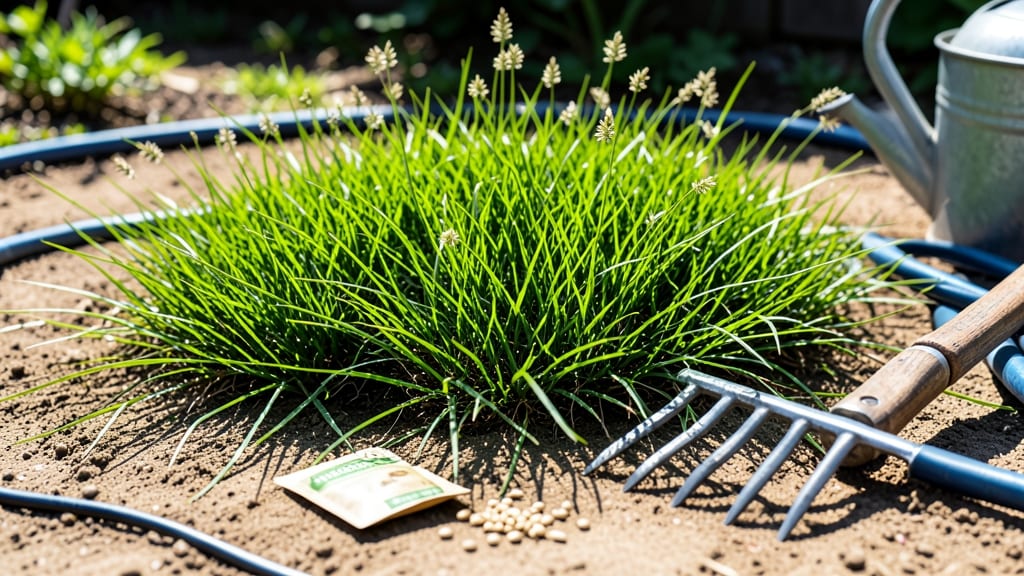
Planting Bermuda grass seeds in Texas at the wrong time can turn your dream of a lush, heat-resistant lawn into a frustrating gamble—especially when summer hits faster than you expect.
The key to success lies in understanding your region’s unique climate, where soil temperatures and rainfall can make or break germination.
For most of Texas, the ideal planting window stretches from late spring to early summer, but timing varies dramatically between North Texas’s 8a zone and South Texas’s 10b heat. Waiting until soil reaches 75-85°F ensures your seeds sprout quickly, while planting too early risks frost damage or slow growth.
I’ll break down the exact months for each Texas region, plus pro tips for prepping soil and watering schedules that keep your Bermuda grass thriving—even through our brutal summers. No more guesswork, just a faster, greener lawn.
Ready to transform your yard? Let’s dive into the fastest way to get your Bermuda grass 🌱 established before the heat peaks.
Texas heat zones for Bermuda grass seed planting: best months by region
Texas’s diverse climate means Bermuda grass seed planting windows vary dramatically from North to South. Planting too early risks frost damage, while waiting too late can leave your lawn struggling in 100°F+ heat.
The key? Timing seeds when soil temps hit 75-85°F—ideal for fast germination—and aligning with your USDA heat zone.
Use the USDA Plant Hardiness Zone Map (8a-10b in Texas) as your guide, but focus on soil temperature, not just air temps. A soil thermometer is your best friend—Bermuda grass seeds need consistent warmth to break dormancy.
In North Texas (Zones 8a-8b), cooler springs delay planting until late April or May, while South Texas (Zones 9a-10b) can start as early as March.
Pro Tip: Check local Almanac frost dates—North Texas averages last frost around February 15, but South Texas sees frost as late as January 1. Wait 4-6 weeks post-frost to plant, ensuring no surprise chills.
For North Texas gardeners, aim for late April to early May when daytime highs hit 80°F+ and nights stay above 60°F. This timing ensures seeds germinate before June’s brutal heat slows growth.
In Central Texas, March is your sweet spot—soil warms faster here, but avoid planting after April 15 unless you’re prepared for supplemental shade.
South Texas’s earlier frost-free window lets you plant as soon as February, but rush isn’t wise. Wait until soil temps stabilize at 75°F (usually mid-February) to prevent seed rot from lingering cool nights. West Texas presents unique challenges: dry heat can dry out seeds before germination.
Here, daily irrigation is non-negotiable until sprouts emerge.
Don’t overlook fall planting for a second growth cycle. In South Texas, late August to
How to prep soil and extend planting season for faster germination
To give your Bermuda grass seeds the best shot at thriving in Texas’s intense heat, start with soil prep. The goal is to create a loose, well-draining bed with a pH between 6.0 and 7.5, which is ideal for germination.
Use a soil test kit to check your yard’s current pH—if it’s off, amend with lime (to raise pH) or sulfur (to lower it) 4-6 weeks before planting.
Next, till the top 4-6 inches of soil to loosen compacted layers. Bermuda grass roots need room to spread, so break up any hardpan. Mix in 2-3 inches of compost or well-rotted manure to boost organic matter, which helps retain moisture and nutrients.
Avoid fresh manure—it can burn seeds and attract pests.
⚠️ callout-warning ⚠️
Bermuda grass seeds won’t germinate below 65°F soil temp. In North Texas (USDA Zone 8a), wait until late April to May—planting too early risks frost damage. South Texas (Zone 10b) can start as early as March, but monitor soil temps with a soil thermometer ($10 at garden centers).
Pro Tip: Use a black plastic mulch 2-3 weeks before planting to warm cold soil faster.
For faster germination, water the soil deeply 24 hours before planting to settle the seedbed. Bermuda grass seeds need consistent moisture to sprout, but avoid soggy soil—poor drainage can cause rot.
If your yard has heavy clay, amend with sand or perlite to improve aeration. Level the soil with a rake, creating a smooth surface for even seed distribution.
To extend your planting window, use shade cloth (30-50% coverage) over newly seeded areas if temperatures exceed 90°F. This creates a cooler microclimate while still allowing sunlight. Remove the cloth once seeds sprout (usually 7-14 days).
Another trick? Water seeds with a light mist in the late afternoon to cool the soil and reduce evaporation.
After planting, apply a thin layer of straw mulch (¼ inch) to lock in moisture and protect seeds from wind. Mulch also blocks weeds, which compete for nutrients.
Keep mulch away from direct seed contact—too much can smother sprouts. For late-season planting (August-September), use drip irrigation on a timer to maintain moisture without overwatering.
Finally, fertilize lightly with a starter fertilizer (high in phosphorus) at planting time to jumpstart root growth. Avoid nitrogen-heavy feeds until after germination—too much can burn tender seedlings. With these steps, your Bermuda grass will sprout 2-3 weeks faster and handle Texas’s heat like a pro. 🌱