
Plants
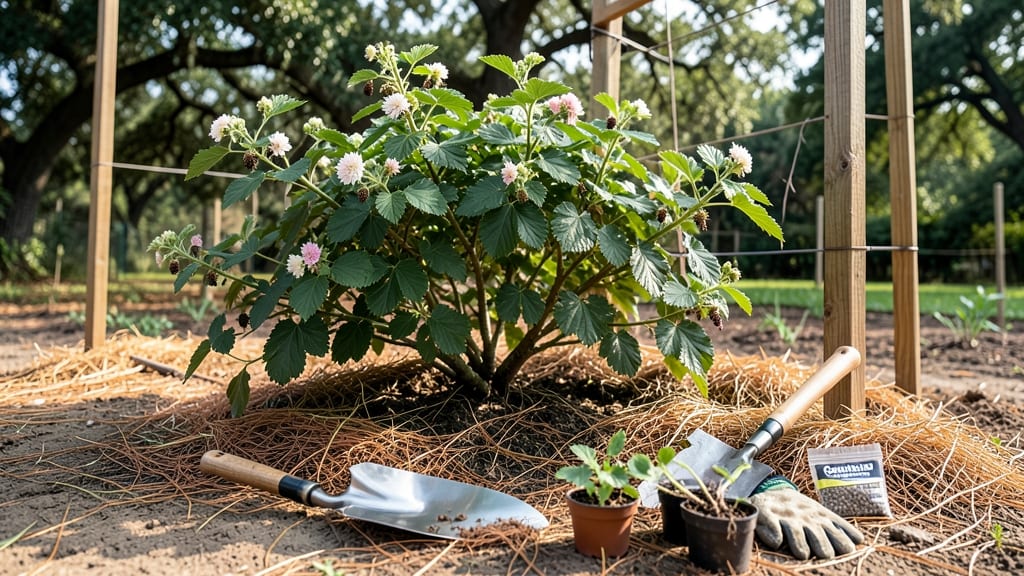
Planting blackberries in Florida’s frost-free climate isn’t as simple as digging a hole and dropping in canes—timing matters more than you’d think. 🫐 The key to sweet, bountiful berries lies in matching your variety to Florida’s chill-hour zones, especially if you’re in the Panhandle where cold snaps still sneak in.
Skip this step, and you might end up with sparse fruit or canes that struggle to thrive.
Most Florida gardeners swear by late winter to early spring as the ideal window, but the real secret is understanding your specific zone. For example, evergreen varieties like 'Arapawa' need minimal chill hours, while deciduous types like 'Navaho' perform best when planted in cooler months.
Even in Zone 9a, where frost is rare, planting too early can stress young canes before they’re ready to fruit.
I’ve learned the hard way that rushing the process leads to weaker plants—and fewer berries. Whether you’re in South Florida’s heat or the Panhandle’s cooler pockets, the right timing ensures your blackberries establish strong roots before summer’s intensity kicks in.
Let’s break down exactly when to plant for your location, so you can enjoy homegrown berries from April through September.
You’ll also discover how to prep your soil, choose the best varieties for your climate, and avoid common pitfalls that turn promising starts into disappointing yields. Ready to grow blackberries that outperform store-bought? Let’s get started.
Florida blackberry planting timeline: chill-hours explained
Florida’s unique climate makes blackberry planting a chill-hour puzzle. Unlike northern states, most of Florida falls in USDA Zones 8-11, where traditional blackberry varieties struggle without proper winter dormancy.
The key? Matching your planting window to your local chill-hour total, which determines whether your canes will fruit properly.
Chill-hours are the accumulated hours between 32°F and 45°F that blackberries need to break dormancy and set fruit. Northern Florida (like Jacksonville or Tallahassee) gets 200-500 chill-hours annually, while South Florida (e.g., Miami or Fort Lauderdale) may see less than 100 chill-hours.
This means variety selection and timing are everything.
Evergreen blackberries (like 'Arapawa' or 'Navaho') thrive in low-chill zones (0-300 hours) and can be planted year-round, but they fruit best when planted in late winter or early spring. Deciduous varieties (e.g., 'Chester' or 'Ouachita') need 300-500 chill-hours and should be planted in fall or early winter to establish roots before Florida’s mild winters.
| Florida Region | Chill-Hours (Annual) | Best Planting Window | Recommended Varieties | Key Consideration |
|---|---|---|---|---|
| North Florida (Zones 8a-8b) | 200-500 hours | Late October - December | 'Chester', 'Ouachita', 'Arapawa' | Plant before first frost (rare but possible). |
| Central Florida (Zones 9a-9b) | 100-300 hours | January - February | 'Navaho', 'Prime-Ark Freedom', 'Apache' | Avoid summer planting due to heat stress. |
| South Florida (Zones 10a-11) | 0-100 hours | Year-round (best in late winter) | 'Arapawa', 'Onyx', 'Evergreen' | Use shade cloth in peak summer to reduce stress. |
To calculate your local chill-hours, check the Florida Climate Center or use a home weather station to track temperatures between 32°F and 45°F for 30-60 days.
For example, if you’re in Orlando (Zone 9b), aim for a January planting to give roots time to establish before the heat of summer.
For North Florida gardeners, planting in late fall (October-November) ensures canes have 6-8 weeks of cooler temps to accumulate chill-hours. In Central Florida, a January start aligns with natural dormancy cycles.
Meanwhile, South Florida growers can plant anytime, but late winter (February-March) reduces heat stress on young plants.
Pro tip: If you’re unsure about chill-hours, opt for evergreen varieties like 'Arapawa', which produce year-round fruit with minimal chill requirements. These thrive even in Miami’s tropical climate and can be planted in containers for easier mobility if needed.
One common mistake is planting too early in spring when soil temps exceed 60°F. Blackberry roots struggle to establish in heat, leading to poor fruiting later. Always amend soil with compost and mulch heavily to retain moisture during Florida’s dry seasons.
Finally, consider microclimates. A hilltop in North Florida may get more chill-hours than a valley in Central Florida. Use this to your advantage—plant chill-sensitive varieties in cooler microclimates and evergreens in warmer spots.
With the right chill-hour strategy, your Florida blackberries can yield sweet, abundant fruit for years. Start by matching your variety to your zone, then plant at the optimal window for your region. Happy growing! 🫐🌱
Step-by-step blackberry planting guide for Florida gardens
Now that you’ve picked the perfect chill-hour variety for your Florida zone, it’s time to roll up your sleeves and plant. The key to success lies in soil prep, proper spacing, and post-planting care tailored to Florida’s heat and humidity.
I’ve planted blackberries in both North Florida’s cooler pockets and South Florida’s steamy climate, and the difference in establishment comes down to these foundational steps.
For Florida gardens, the ideal planting window is late winter to early spring (January–March), when soil temperatures are mild enough for roots to establish before summer’s intensity.
Evergreen varieties like 'Arapawa' can handle planting year-round in Zone 10–11, but deciduous types (e.g., 'Navaho') thrive best when planted in cooler months to avoid heat stress.
Step-by-Step Blackberry Planting Process
- 1 Choose the Right Variety: Select evergreen varieties (e.g., 'Arapawa') for Zone 10–11 or deciduous types (e.g., 'Navaho') for North Florida’s chill hours. Thornless varieties like 'Cheyenne' are easier to harvest.
- 2 Prep the Soil: Test soil pH (5.5–6.5) and amend with compost and aged manure for drainage. Florida’s sandy soils benefit from organic matter to retain moisture.
- 3 Dig the Hole: Plant bare-root canes in a hole twice as wide as the root ball. Space plants 4–6 feet apart for trailing varieties or 3–4 feet for bush types.
- 4 Plant and Water: Place canes so the crown sits 1–2 inches above soil. Water deeply to settle roots, then mulch with 3–4 inches of pine straw to retain moisture.
- 5 Fertilize Lightly: Apply balanced organic fertilizer (10-10-10) at 1/2 cup per plant 4–6 weeks after planting. Avoid high-nitrogen fertilizers, which promote leafy growth over fruit.
After planting, water deeply every 2–3 days for the first month, focusing on morning watering to prevent fungal diseases like botrytis. Florida’s humidity means your blackberries will appreciate good airflow, so avoid overcrowding and prune suckers regularly.
In Zone 9a, a light frost can occur in January, so protect young plants with row covers if temperatures dip below 30°F.
One of my biggest lessons? Mulching is non-negotiable in Florida’s heat. A thick layer of pine straw or wood chips keeps roots cool and conserves moisture. I’ve seen blackberries in South Florida’s summer wilt without proper mulch—don’t let that happen to yours!
Pair this with drip irrigation for precision watering, and your canes will establish roots like a champ.
With these steps, your blackberries will be ready to fruit by April or May, depending on your variety.
The first year might be light on berries as the plant focuses on root growth, but by year two, you’ll be harvesting pounds of sweet, juicy blackberries—worth every bit of effort! 🫐