
Plants
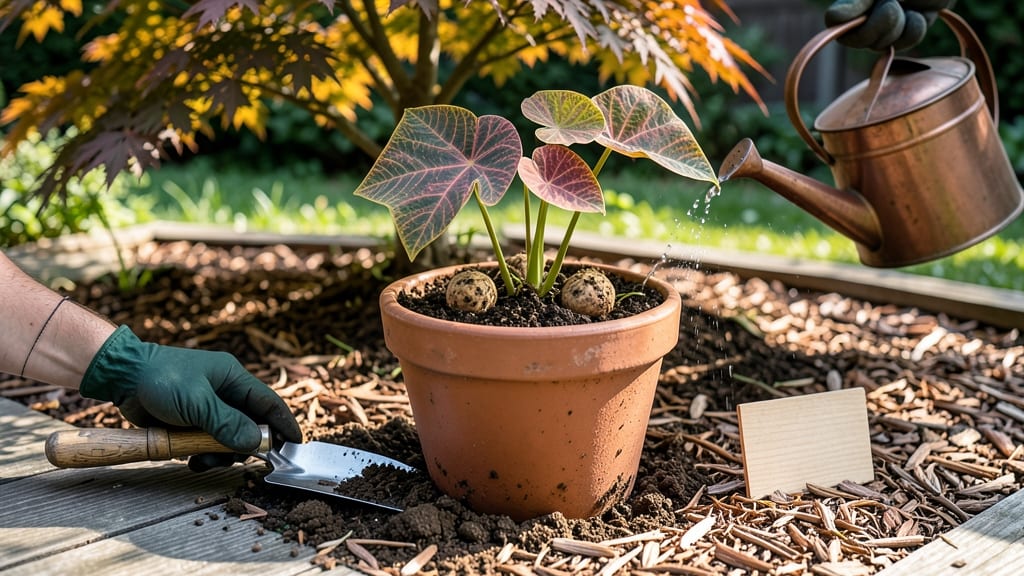
Planting caladium bulbs at the wrong time in Zone 7 can turn your stunning 🌿 foliage into a sad, wilted mess before summer even arrives.
The key isn't just waiting for the calendar to say "May"—it's about soil warmth, frost risks, and giving these tropical beauties the perfect head start when temperatures hit that sweet spot of 60-65°F.
Most gardeners in Zone 7 make one of two mistakes: planting too early when chilly soil shocks delicate roots, or waiting too late and missing the prime growing window. I've learned the hard way that caladiums treat as annuals here—so timing matters more than you'd think.
Let me show you exactly when to plant for vibrant, long-lasting color that lasts all season.
We're talking late April to early May as your target window, but there's more to it than just dates. Soil temperature tests and frost-free date tracking are your secret weapons.
Whether you're planting in-ground or containers, I'll walk you through the exact steps to ensure your caladiums thrive from day one.
Ready to transform your garden into a lush, tropical paradise without the guesswork? Let's dive into the soil temperature secrets that'll have your caladiums looking their best from the moment they sprout.
Optimal planting timeline for caladium bulbs in Zone 7: soil temperature rules
Caladium bulbs love warmth but hate cold—so timing your planting in Zone 7 isn’t just about avoiding frost. The real secret lies in soil temperature, which should hover between 60-65°F before you even think about digging.
Too early, and your bulbs will languish; too late, and you’ll miss peak foliage display. Let’s break down the perfect window to plant these tropical beauties without the guesswork.
In Zone 7, the last average frost date typically falls around March 15, but that doesn’t mean it’s safe to plant caladiums yet. These heat-loving tubers need warmer soil to sprout properly.
Waiting for soil to reach 65°F (about 18°C) ensures roots establish quickly and foliage emerges vibrant. Rush it, and you risk stunted growth or even bulb rot.
Here’s the golden rule: Aim to plant caladium bulbs 2-3 weeks after your last frost date, once soil temperature consistently stays above 60°F. For most of Zone 7, this lands in late April to early May.
But don’t stress if your spring drags on—caladiums planted by mid-May will still thrive, though they may bloom slightly later.
If you’re torn between late spring vs. early summer planting, consider this: Early May gives your caladiums the longest growing season, while June planting still works but may limit their time to develop full foliage before fall.
The trade-off? June planting reduces frost risk entirely, which is ideal if your spring is unpredictable.
| Planting Stage | Soil Temp Requirement | Zone 7 Timeline | Action Items |
|---|---|---|---|
| Pre-Planting Prep | 50-55°F (10-13°C) | Late March - Early April | Test soil warmth; amend with compost |
| Optimal Planting Window | 60-65°F (15-18°C) | Late April - Early May | Plant bulbs 4-6" deep; mulch heavily |
| Safe Late Planting | Above 60°F (15°C) | Mid-May - Early June | Expect slightly delayed foliage |
| Frost Risk Zone | Below 50°F (10°C) | Before March 15 | Avoid planting; use containers indoors |
Pro tip: Use a soil thermometer to check temperatures at 6-inch depth (where caladium roots will grow). If your mornings are still chilly, wait—even if your afternoon sun feels warm. Cold soil stunts roots, and caladiums need strong roots to support their lush, colorful leaves.
For container gardeners, the rules are slightly flexible. Pots warm up faster than ground soil, so you can plant 1-2 weeks earlier than in-ground. Just ensure your containers have drainage holes and use a lightweight potting mix to prevent waterlogging.
Containers also let you move caladiums indoors if an unexpected frost sneaks up.
Remember, caladiums are tender tubers—they won’t survive Zone 7 winters outdoors. Treat them as annuals or dig them up before the first frost (around November 15 in most of Zone 7).
Store the tubers in a cool, dry place until next spring’s planting season. This cycle of planting, growing, and storing ensures you get bold foliage year after year.
If you’re debating between in-ground planting vs. containers, consider your space and microclimate. In-ground spots with afternoon shade (caladiums hate direct sun) work best, but containers offer flexibility for patios or balconies. Just avoid planting in low-lying areas where cold air pools—caladiums despise damp, cold soil.
Finally, mark your calendar for May 15 as your last chance for full-season caladiums in Zone 7. After that, your tubers may not have enough time to establish before fall’s chill sets in. With the right timing, you’ll enjoy vibrant, tropical foliage from summer through frost—no wilted dreams here!
How to test soil warmth for perfect caladium planting: DIY methods for gardeners
Testing soil warmth is the secret weapon for planting caladium bulbs in Zone 7. These tropical plants refuse to thrive in cold soil, and without checking the temperature, you risk stunted growth or even death before summer arrives.
I've learned that a simple household thermometer can save you from costly mistakes and ensure your caladiums get the warm start they need.
The ideal soil temperature for caladium planting is between 60-65°F. Below that, roots struggle to establish, and above that, you risk drying out the soil too quickly. Most gardeners in Zone 7 don't realize they can test this easily at home—no fancy equipment required.
Let me walk you through the three simplest methods I use every spring.
🌡️ Step-by-Step Soil Temperature Test for Caladiums
- Gather your tools: A digital thermometer (or meat thermometer), a small trowel, and a notebook to record temps.
- Choose your spot: Test where you plan to plant. For containers, check the potting mix in your pot.
- Dig down: Insert the thermometer 4-6 inches deep (same depth you'll plant bulbs). Wait 30 seconds for an accurate reading.
- Check the reading: If it's below 60°F, wait 1-2 weeks and retest. If it's 60-65°F, it's perfect for planting!
- Adjust timing: If temps are above 65°F, plant immediately to avoid drying out. If too cold, use black plastic mulch to warm soil faster.
- Monitor daily: Check temps again in 3-5 days to confirm consistency. Caladiums prefer stable warmth.
Don't have a fancy thermometer? No problem! A meat thermometer from your kitchen works perfectly—just clean it well before and after use. I've even used old-school glass thermometers from garden centers for years with great results. The key is consistency: always test at the same depth and time of day.
Once you've confirmed your soil is warm enough, act fast! Caladium bulbs should go into the ground within 24-48 hours of testing.
These plants are sensitive to temperature fluctuations, so planting them when the soil is just right gives them the best chance to establish strong roots before summer heat arrives. I've found that planting in morning hours helps reduce stress on the bulbs.
For container gardeners, this process is even simpler. Just test the potting mix in your pot at the same depth you'll plant the bulbs. Containers warm up faster than in-ground soil, so you might be able to plant 1-2 weeks earlier than your ground-planted friends.
Just keep an eye on moisture levels—containers dry out quicker in warm soil.
Remember, caladiums are treated as annuals in Zone 7, so getting them planted at the perfect time means more vibrant foliage and longer enjoyment. With these simple soil warmth tests, you'll never guess again—just plant with confidence and watch your garden transform into a tropical paradise!