
Plants
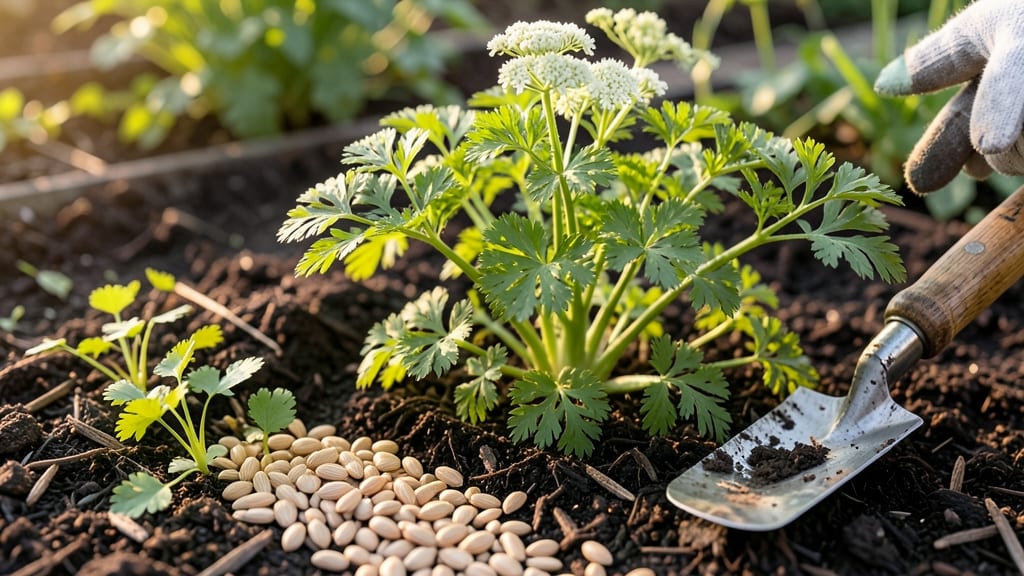
Timing your cilantro planting in Georgia isn’t just about dropping seeds in the dirt—it’s about outsmarting the heat and humidity that can turn your fresh 🌿 cilantro into bitter, bolted stems faster than you can say "salsa night."
If you’ve ever planted cilantro in the dead of summer only to watch it run to seed within weeks, you know the struggle. The key? Planting in Georgia’s coolest months—March through early May for spring crops, and again in late summer (September) for a fall harvest.
This isn’t just guesswork; it’s about working with Georgia’s 7b-8b climate to keep your cilantro thriving.
But here’s the secret most gardeners miss: even within these windows, microclimates matter. A shady spot in Athens might handle late-May planting when a full-sun patch in Savannah turns your cilantro into a sad, leggy mess.
I’ll break down exactly how to read your yard’s signals and adjust your planting schedule for foolproof results.
Ready to grow cilantro that stays fresh, flavorful, and ready to harvest? Let’s dive into the month-by-month strategy that’ll have you snipping leaves all season long—no bolting in sight.
Georgia’s ideal cilantro planting calendar by climate Zone
Georgia’s 7a-8b climate zones create two perfect windows for cilantro: spring (March-May) and fall (September-November). The key? Avoiding summer’s 90°F+ heat, which triggers bolting within weeks.
In North Georgia (Zone 7a), your last frost typically hits mid-March, while South Georgia (Zone 8b) can push cilantro until late November before frost. Let’s break down the exact months for each region to maximize your harvest.
Your microclimate is the secret weapon. A shady spot in Athens (Zone 7b) might handle late-May planting, while full-sun Savannah (Zone 8a) should stop by early May. Even a 5°F difference between your yard and a neighbor’s can mean the difference between thriving cilantro and bolted disappointment.
I’ll show you how to read your yard’s signals in the next section.
Here’s your month-by-month planting calendar, tailored to Georgia’s three main regions. Use this as your guide to avoid the 3 biggest cilantro-killers in Georgia: heat stress, drought, and improper timing.
For North Georgia gardeners (Zone 7a), your March 15 start date gives cilantro 6-8 weeks of cool weather before summer’s heat arrives. If you’re in Dahlonega or Blue Ridge, consider a cold frame to push your fall planting into early November.
The goal is to harvest before first frost (mid-November), so time your seeds to mature by October 15 at the latest.
Central Georgia’s longer frost-free season (210+ days) lets you squeeze in two full harvests. Start seeds indoors by February 15 for transplanting outdoors by March 1. For fall, direct-sow by August 15—this gives your cilantro 60 days to mature before frost.
Pro tip: Savannah gardeners can sometimes push fall planting to September 1 if using shade cloth.
In South Georgia (Zone 8a-8b), the real magic happens in fall. Plant by August 1 for a harvest through November 20, or try a winter crop under row covers for leaves into January.
Summer planting? Only attempt it in partial shade with daily watering—and expect bolting within 3-4 weeks.
No matter your zone, succession planting is your best friend. Sow new seeds every 2 weeks during your ideal window to ensure a continuous harvest.
For example, in Zone 7b, plant on March 1, 15, and 30 for staggered maturity. This beats the bolt-and-die cycle that ruins single-planting attempts.
One final trick: Adjust for your yard’s microclimate. Notice where cilantro thrives in your neighbor’s yard but struggles in yours? It’s likely a sun/shade difference. Use a sun map (free apps like Sun Surveyor work great) to identify hot spots.
Move your cilantro to morning sun + afternoon shade in summer, or use reflective mulch to lower soil temps by 5-10°F.
Now you’ve got the exact months to plant cilantro in Georgia—no more guessing, no more bitter surprises. Next, we’ll tackle how to extend this window even further with shade cloth, companion plants, and smart watering strategies to keep your cilantro happy until the last possible leaf.
How to extend cilantro’s growing season in Georgia’s heat
Georgia’s summer heat turns cilantro into a bolting disaster within weeks—but with the right tricks, you can extend your harvest window by 4-6 weeks. The secret? Controlling temperature through shade, smart watering, and companion plants that act like natural air conditioners.
Even in Zone 8b’s brutal July, these methods keep your cilantro leafy and flavorful instead of bitter and flowering.
First, let’s tackle the #1 enemy of Georgia cilantro: afternoon heat. When soil temps hit 85°F+, your plants go into survival mode and bolt. The fix? Shade cloth rated for 30-50% light reduction.
Hang it 3-4 feet above plants to avoid blocking airflow—this lowers leaf temps by 10-15°F and buys you 2-3 extra weeks of harvest time. For fall crops, remove shade by mid-October to let cilantro soak up sunlight before frost.
- 1 Shade Strategy: Install 30% shade cloth by late April in North Georgia or early May in South Georgia. Secure with clips or weights—wind can rip it away during summer storms. For fall crops, remove shade by October 15 to maximize sunlight before frost.
- 2 Succession Planting: Sow new seeds every 2 weeks from March 1 through April 15 (spring) and August 15 through September 15 (fall). This ensures a continuous harvest—when one batch bolts, another is ready. Use biodegradable pots for transplants to avoid root disturbance.
- 3 Companion Plants: Pair cilantro with bush beans (they fix nitrogen) or lettuce (shares shade needs). Avoid planting near dill or fennel—their scent attracts the same pests that love cilantro. For extra cooling, tuck cilantro near radishes, which thrive in similar temps and act as living mulch.
- 4 Harvest Timing: Snip leaves when they’re 3-4 inches tall—this prevents bolting by reducing stress. Use clean scissors and cut just above the lowest set of leaves. For maximum flavor, harvest in the morning after dew dries but before 10 AM heat peaks. Never let plants flower—this turns leaves bitter.
Watering is where most Georgia gardeners go wrong. Drip irrigation set to run early morning (5-7 AM) keeps soil consistently moist without wetting leaves—this prevents fungal diseases like cercospora leaf spot, which thrives in Georgia’s humidity.
Aim for 1 inch of water per week, but reduce to ½ inch in summer to avoid shocking roots. Mulch with straw or shredded leaves to retain moisture and block heat radiated from soil.
For fall crops, use black plastic mulch to warm soil in September—this gives cilantro a 2-week head start before cooler temps arrive. Remove it by October 15 to prevent overheating.
In Zone 8b, extend your season with floating row covers (like Reemay) until November 20. These let sunlight through while blocking chilly winds that trigger bolting.
Pro tip: Harvest cilantro leaves in stages—don’t take everything at once. Cut the outer leaves first, leaving the inner growth intact. This encourages bushier plants that produce 20-30% more leaves over their lifetime.
For peak flavor, harvest in the morning after dew dries but before 10 AM—this is when volatile oils (what gives cilantro its zing) are at their highest.
With these tricks, you can grow cilantro in Georgia year-round—just adjust your methods by season. Spring? Focus on shade and succession planting. Fall? Prioritize soil warming and row covers.
And always harvest young—that’s the real secret to avoiding bolting and keeping your cilantro tender, flavorful, and ready for your next salsa batch.