
Plants
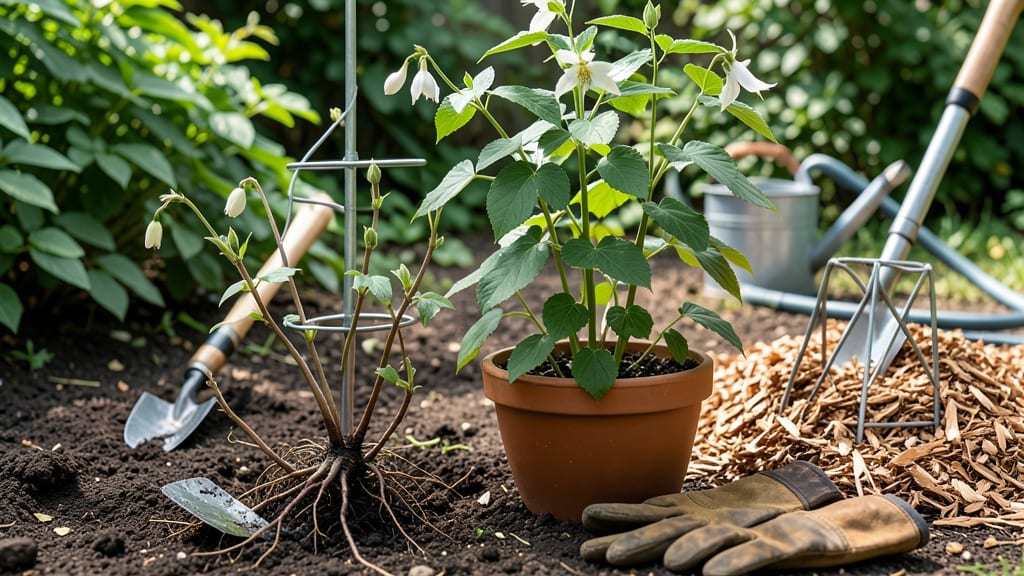
Timing your clematis planting just right in Zone 8 can mean the difference between a vine that thrives for years and one that fights to survive. The wrong window might leave your 🌸 struggling to establish roots before the first frost—so let’s get this right from the start.
Most gardeners in Zone 8 swear by early spring or fall planting, but which one actually works best for your clematis? You’ll want to avoid late frosts in March and early freezes in November, but there’s more to it than just the calendar.
The key is giving your plant enough time to root deeply before winter sets in.
In this guide, I’ll break down the best months to plant clematis in Zone 8, whether you’re working with bare-root or container-grown vines, and how to prep your soil for success.
You’ll also learn how to protect your investment from unexpected frost and microclimate quirks that can throw off even the most careful timing.
Skip the guesswork—by the end, you’ll know exactly when to plant for a clematis that grows strong, blooms boldly, and lasts for seasons. Let’s make sure your vine gets off to the best start possible.
Optimal planting months for clematis in Zone 8: root growth before frost
Clematis thrives in Zone 8 when planted during its two ideal windows: early spring or fall. The key is giving roots time to establish before the first frost, which typically arrives around mid-November in this zone.
Planting too late in fall risks weak root systems, while spring planting must avoid late frosts that can damage tender new growth.
For bare-root clematis, the soil temperature is your best guide. Aim for 50–65°F soil temps—this ensures roots wake up but aren’t stressed by heat.
In Zone 8, this usually aligns with September–October for fall or March for spring, but microclimates can shift these dates by 2–3 weeks.
Here’s the golden rule: plant 6–8 weeks before your area’s average first frost date. This gives roots 4–6 weeks to settle before winter dormancy.
In southern Zone 8 (e.g., San Diego), you might push planting to late October, while northern Zone 8 (e.g., Dallas) should aim for mid-September.
| Season | Best Months | Soil Temp Range | Root Establishment Time | Frost Risk |
|---|---|---|---|---|
| Fall | September–October | 50–65°F | 6–8 weeks | Low (if planted early) |
| Early Spring | March | 50–65°F | 8–10 weeks | Moderate (late frosts) |
| Late Spring | April | 60–75°F | 4–6 weeks | High (root stress) |
Fall planting is often preferred in Zone 8 because cooler temps reduce transplant shock and allow roots to grow slowly into winter. However, container-grown clematis can handle late fall planting (up to November) as long as you mulch heavily (4–6 inches) to insulate roots.
This is especially useful in cooler microclimates like Northern California or mountainous areas.
If you choose spring planting, prioritize March over April. April’s warmer soil can cause roots to grow too quickly, leaving them vulnerable to late-season frosts (common in Zone 8’s northern edge).
A simple trick: plant in a trench (6–8 inches deep) to protect the crown from temperature swings during root establishment.
Regional variations matter. In Southern California, where frosts are rare, you can plant up to December, but northern Zone 8 (e.g., Oklahoma City) should stick to September–early October.
Check your local frost date—tools like the USDA Plant Hardiness Zone Map or Almanac’s Frost Calculator are invaluable.
For bare-root clematis, soak roots for 2–4 hours before planting to rehydrate them. If planting in fall, apply a 3-inch layer of mulch immediately after planting to lock in moisture and warmth. In spring, wait until soil warms to 55°F before mulching to avoid trapping cold.
Pro tip: Pair your clematis with a deep-rooted companion plant like lavender or rosemary to improve soil drainage and deter pests. This is especially helpful in clay-heavy soils common in Zone 8’s humid regions, where poor drainage can suffocate clematis roots.
Remember, root depth is your success metric. A well-established clematis will have roots 12–18 inches deep by winter. If you’re unsure about timing, err on the early side—a strong root system in Zone 8’s mild winters means vibrant blooms for years to come. 🌸
How to prepare clematis for Zone 8 planting: soil, sun, and timing tips
Preparing your clematis for Zone 8 planting starts long before you dig the first hole. The right soil mix, sunlight exposure, and moisture balance will determine whether your vine thrives or struggles.
In Zone 8’s humid climate, well-draining soil is non-negotiable—clematis roots rot quickly in soggy conditions, while poor nutrition stunts growth.
Begin by testing your soil’s pH level (aim for 6.5–7.0). Clematis loves rich, slightly acidic soil packed with organic matter. Amend heavy clay soils with compost or peat moss, mixing in 2–3 inches to a depth of 12 inches.
For sandy soils, add aged manure or coconut coir to retain moisture. A simple trick: dig a 6-inch-deep trench around your planting area to improve drainage and prevent water pooling.
In Zone 8, planting clematis after October 15th risks weak root establishment before winter. Late fall plantings (November) can survive only with heavy mulching (4–6 inches) and crown protection. Spring plantings after April 1st face late frost damage—roots grow too fast in warm soil, leaving them vulnerable to temperature swings.
Key Risk: Root suffocation in waterlogged soil or crown heave from freeze-thaw cycles. Always check your local frost date and adjust timing accordingly.
Sunlight is another critical factor. Clematis needs 6+ hours of direct sun daily for abundant blooms, but afternoon shade in Zone 8’s heat prevents leaf scorch. The perfect spot? A south- or west-facing location with dappled shade from trees or trellises.
If planting near a fence or wall, ensure 6 feet of clearance—clematis vines need room to climb and breathe.
Watering strategy makes all the difference in Zone 8’s humid summers. After planting, keep soil consistently moist (but not soggy) for the first 4–6 weeks. Deep water 2–3 times per week until roots establish, then taper to weekly deep soaks.
Use a soaker hose or drip irrigation to deliver water at the base of the plant, avoiding wet foliage that invites fungal diseases like powdery mildew.
Mulching is your secret weapon in Zone 8. Apply 3–4 inches of organic mulch (straw, shredded bark, or pine needles) around the base of the plant, keeping it 6 inches away from the stem.
This conserves moisture, regulates soil temperature, and suppresses weeds. In fall, add an extra 2-inch layer to insulate roots before winter. Just remember: never mulch over wet soil—this can suffocate roots and promote rot.
Finally, pair your clematis with a support structure (trellis, arbor, or fence) at planting time. Clematis vines grow 6–12 inches per week in ideal conditions, so install supports 6–12 inches tall and secure the main stems with soft ties.
Avoid plastic or wire ties—they can girdle stems as the vine thickens. With the right prep, your clematis will reward you with season-long blooms and minimal fuss. 🌸