
Plants
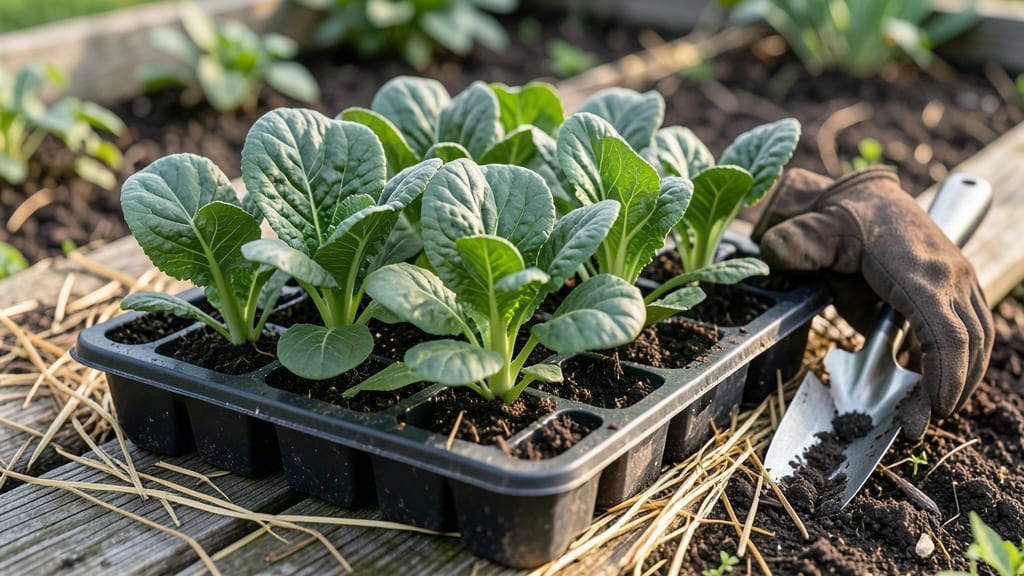
Planting collard greens 🥬 at the wrong time in Georgia can turn your garden into a bitter disappointment—unless you know the exact frost-free windows that turn your patch into a flavorful, year-round harvest.
The key isn’t just timing; it’s working with Georgia’s mild winters and hot summers to avoid stunted growth or bolted leaves.
I’ve grown collards in 7b-8a for years, and the difference between a thriving plant and a struggling one comes down to two planting windows: late February through April for spring harvests and August through early September for fall.
But here’s the secret—succession planting can stretch your harvest from October through December, even when frost looms.
Why does this matter? Because collards are frost-resistant but hate summer heat, and Georgia’s climate gives you a narrow sweet spot. Too early, and they’ll bolt; too late, and they’ll wilt.
I’ll walk you through the perfect schedule, soil prep, and how to keep your greens productive all season long—no guesswork, just results.
Ready to grow collards that taste sweeter with each frost? Let’s dive into the step-by-step timeline that’ll have your garden producing tender leaves from fall through spring—without the common mistakes that ruin most Georgia gardens.
Best planting windows for collard greens in Georgia’s climate zones
Georgia’s 7a-8b climate zones create perfect conditions for growing collard greens year-round, but timing is everything. These cold-hardy greens thrive in cool weather and can withstand light frosts, but they’ll bolt or develop bitter flavors if planted too early or too late.
Understanding your local frost dates and heat thresholds will help you plan for three ideal planting windows—fall, winter, and late winter.
Most Georgia gardeners start collards in early September for a fall harvest, then again in late February for spring. However, the real secret to continuous collard production lies in staggered plantings. By spacing your plantings 2-3 weeks apart, you can enjoy fresh greens from October through March without gaps.
Let’s break down the best times to plant based on your specific zone and microclimate.
| Planting Window | Best For | Temperature Range | Days to Harvest | Notes |
|---|---|---|---|---|
| Early Fall (Aug 15 - Sep 15) | Fall harvest (Oct-Dec) | 60°F-85°F | 45-60 days | Plant 4-6 weeks before first frost |
| Winter (Feb 15 - Mar 15) | Spring harvest (Apr-Jun) | 45°F-65°F | 50-70 days | Avoid planting before 32°F soil temps |
| Late Winter (Mar 1 - Apr 15) | Early summer harvest | 50°F-75°F | 60-75 days | Risk of bolting if temps exceed 80°F |
| Succession Plantings | Year-round supply | 45°F-85°F | 45-60 days | Plant every 2-3 weeks for continuous harvest |
For Zone 7a gardeners (northern Georgia, like Blue Ridge), focus on fall and winter plantings since summer heat can stress collards. Start your first batch around August 20 for a November harvest, then follow up with February 15 plantings.
In Zone 8a (central/southern Georgia, like Savannah or Macon), you can extend your growing season even further. Plant your first round in mid-August and your last in early April for a June harvest before summer heat sets in.
One common mistake is planting collards too early in late winter. While they’re cold-tolerant, they won’t germinate well in soil below 45°F. Use a seedling heat mat if you’re eager to get an early start, but wait until soil temperatures consistently reach 50°F for direct sowing.
In my Zone 7b Atlanta garden, I’ve found that March 1 is the magic date for late-winter plantings—any earlier and germination suffers.
Heat tolerance is another critical factor. Collards can handle up to 90°F but will bolt quickly if stressed by consistent 95°F+ temperatures. To beat the heat, use shade cloth (30-50%) during peak summer months or grow collards in partial shade (4-6 hours of sun).
I’ve had success with ‘Georgia Southern’ variety, which handles heat better than standard types. For summer plantings, always pair collards with drip irrigation to keep soil moisture consistent and prevent stress.
Don’t overlook microclimates within Georgia. Coastal areas like Savannah (Zone 8a) can plant collards 2-3 weeks later than inland areas because of milder winters. Meanwhile, mountain regions (Zone 7a) may need to start seeds indoors in late January for transplanting after last frost.
Always check your local frost dates—the average last frost in Atlanta is March 15, but microclimates can shift this by 1-2 weeks.
For continuous harvests, I recommend planting collards in three waves
How to extend collard green harvests through Georgia’s seasons
Georgia’s mild winters and extended growing season create perfect conditions for year-round collard greens. But to enjoy tender, flavorful leaves from September through March, you need a smart planting strategy.
The key? Staggered plantings and cold-hardy varieties that thrive in Georgia’s USDA zones 7b-8a. With the right approach, your collards can keep producing even when temperatures dip.
Most gardeners focus on fall and spring plantings, but Georgia’s climate allows for three distinct harvest windows—early fall, winter, and late winter. Each window requires different timing and care to avoid bitter leaves or stunted growth.
By using succession planting and row covers, you can extend your harvest well into the cooler months. Let’s break down the best methods to keep your collard patch productive all season long.
- 📅 Early Fall Planting (Late August - Early September): Sow ‘Georgia Southern’ or ‘Vates’ varieties for a fall-to-winter harvest. Aim to plant 6-8 weeks before the first frost (typically mid-November in Georgia).
- 🌱 Winter Planting (Late October - Early November): Use row covers or cold frames to protect seedlings from light frosts (28°F). Choose compact varieties like ‘Blue Max’ for smaller spaces.
- 🌿 Late Winter Planting (February): Plant heat-tolerant varieties like ‘Top Bunch’ for a spring harvest. Avoid planting after mid-March to prevent bolting in Georgia’s heat.
- ⏳ Succession Planting Every 3 Weeks: Sow new seeds every 3 weeks from August through October to ensure a continuous supply of fresh leaves.
- 🛡️ Use Row Covers for Extended Harvests: Apply floating row covers in December and January to shield plants from hard frosts (<25°F) while allowing sunlight and airflow.
One of the easiest ways to extend your collard harvest is by choosing the right cold-hardy varieties. Georgia-grown favorites like ‘Georgia Southern’ and ‘Vates’ are bred to withstand light frosts and even brief freezes.
These varieties not only survive but often taste sweeter after a frost, making them ideal for winter harvesting. If you’re short on space, ‘Blue Max’ is a compact option that thrives in containers or small garden beds.
For succession planting, start by sowing seeds every 3 weeks from late August through early October. This method ensures you always have young, tender leaves ready for harvest, even as older plants mature.
Space seeds 12-18 inches apart in well-draining soil with a pH of 6.0-7.0 for optimal growth. Mulch around the base with straw or shredded leaves to retain moisture and protect roots from temperature fluctuations.
When temperatures drop below 28°F, protect your collards with floating row covers or lightweight blankets. These covers create a microclimate that shields plants from freezing winds while allowing sunlight to penetrate.
Remove covers during the day to prevent overheating and reapply at night if frost is forecasted. This simple trick can extend your harvest by 4-6 weeks into the winter months.
Harvesting collards correctly is just as important as planting them at the right time. Always pick outer leaves first to encourage regrowth, and avoid cutting more than one-third of the plant at once.
In Georgia’s climate, you can harvest year-round with proper planning—starting with fall plantings, transitioning to winter protection, and finishing with late-winter sowings for a spring bounty. With these strategies, your collard patch will stay productive and delicious from September through March.