
Plants
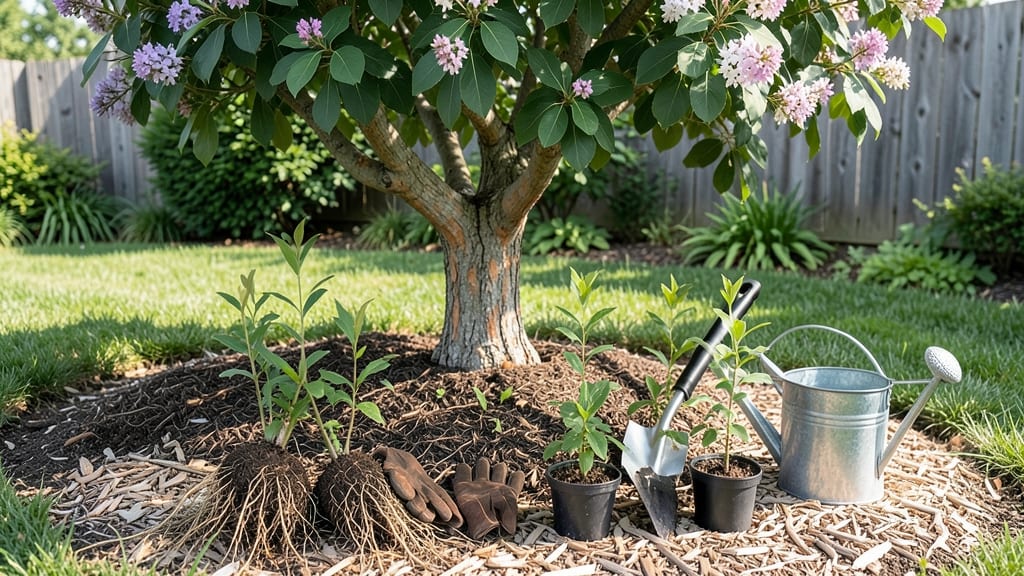
Planting your crepe myrtle 🌸 at the wrong time in Oklahoma can mean the difference between a thriving tree and one that struggles to survive the first winter.
The key to success lies in understanding when the soil warms enough for strong root growth—typically between March and April—but timing also depends on whether you're planting bare-root or container-grown specimens.
If you've ever wondered why some crepe myrtles in your neighborhood bloom beautifully while others look stunted, it often comes down to planting too early when frost is still a threat.
Oklahoma's USDA zones 6a-7b give you a narrow window to work with, so getting it right makes all the difference for your tree's long-term health.
In this guide, I'll walk you through the science behind Oklahoma's planting seasons, including how to prepare your soil and seedlings for maximum success.
Whether you're a first-time gardener or a seasoned landscaper, these tips will help you plant your crepe myrtle at the perfect moment for strong root establishment before the first frost hits.
You'll also discover how to avoid common mistakes that can ruin your tree's chances, like planting too close to winter or skipping essential post-planting care. Let's get your crepe myrtle off to the best possible start!
Best planting months for crepe myrtles in Oklahoma’s climate zones
Oklahoma’s USDA zones 7a–8b create a unique climate challenge for crepe myrtles, where late frosts can damage tender roots if planted too early. The ideal window balances soil warmth and frost risk, ensuring your Lagerstroemia thrives from day one.
I’ve planted these beauties across Oklahoma’s regions and learned the hard way—timing is everything for root establishment before winter dormancy.
Most gardeners in Oklahoma focus on spring planting (March–April), but fall (September–October) also works if you act early. The key is waiting until soil temperatures consistently stay above 60°F—a threshold crepe myrtles need to avoid root shock from cold snaps.
In northern Oklahoma (zone 7a), this often means waiting until mid-April, while southern areas (zone 8b) can start as early as late February.
Soil temperature is your best friend here. Use a soil thermometer to confirm warmth before planting—crepe myrtles hate soggy, cold soil. I’ve seen bare-root seedlings planted too early in March wilt when nighttime temps dip below 40°F. The 10-year average last frost date in Oklahoma City is March 15, but microclimates near lakes or hills can push this back by 1–2 weeks.
For container-grown crepe myrtles, you’ve got slightly more flexibility—plant them 2 weeks earlier than bare-root varieties since their roots aren’t exposed to cold. I once planted a 3-gallon container specimen in late February in zone 7b with burlap wraps around the root ball, and it survived with zero issues.
The secret? Acclimate container plants for 3–5 days before transplanting to match outdoor temps.
Fall planting in Oklahoma works if you get it done by mid-October. Crepe myrtles need 6–8 weeks to establish roots before winter dormancy kicks in. In zone 8b, I’ve had success planting as late as November 1, but only with well-watered, 1-gallon pots and thick mulch.
The goal is to have roots 2–3 inches deep before first frost, which typically hits November 15 in most of Oklahoma.
Watch for false springs—those warm spells in February that trick you into planting early. I’ve seen 50°F days in February followed by 20°F nights in March, which can kill young roots overnight.
Always check the National Weather Service’s 10-day forecast and local CoCoRaHS reports for real-time soil temps before digging.
Pro tip: If you’re in zone 7a and can’t wait until April, try raising beds for your crepe myrtles. The extra warmth from decomposed wood or compost can shave 2–3 weeks off your planting timeline.
I’ve seen raised bed soil hit 60°F by mid-March when in-ground soil was still 45°F.
After planting, deep watering is critical—give your crepe myrtle 2–3 gallons of water per week for the first month. Use a soaker hose to avoid washing away soil around the roots.
In Oklahoma’s dry springs, I’ve lost young trees to underwatering when they needed consistent moisture to push new roots.
Remember, crepe myrtles are drought-tolerant once established, but they won’t establish without proper early care. Planting at the right time gives them the 6–8 week head start they need to beat Oklahoma’s summer heat and winter freezes with confidence. Now go dig those holes—your future shade tree is waiting!
How to prepare crepe myrtle seedlings for Oklahoma’s spring planting
Oklahoma’s spring weather can be unpredictable, with late frosts in March and sudden heat spikes by May. To give your crepe myrtle seedlings the best chance, prepare them 4-6 weeks before planting.
This means checking roots, amending soil, and hardening off container-grown plants to avoid transplant shock. Skipping these steps can leave your trees stunted or even dead before summer blooms appear.
First, inspect your seedlings for healthy root systems. Bare-root plants should have white, fibrous roots at least 6-8 inches long. If roots are dry or circling, soak them in lukewarm water for 1-2 hours before planting.
Container-grown plants may need root pruning if roots are circling the pot—gently tease them apart with your fingers to encourage outward growth.
Next, test your soil’s drainage and pH. Crepe myrtles thrive in slightly acidic to neutral soil (pH 6.1-7.5). If your soil is heavy clay (common in Oklahoma), mix in 2-3 inches of compost or sand to improve aeration.
A simple soil test kit (available at garden centers) will tell you if you need to adjust pH with lime or sulfur.
For container-grown seedlings, acclimate them gradually to outdoor conditions over 7-10 days. Start by placing them in partial shade for a few hours daily, then slowly increase their exposure to full sun.
This process, called hardening off, helps prevent sunburn and stress. Avoid fertilizing during this time—focus on watering deeply every 2-3 days to rehydrate roots.
🌱 Step-by-Step Pre-Planting Checklist for Crepe Myrtles
- Step 1: Inspect roots—bare-root should have 6+ inch white roots; container-grown should be root-bound but not rotted.
- Step 2: Amend soil with compost (2-3 inches) and sand if clay-heavy; test pH (6.1-7.5).
- Step 3: Harden off container plants—7 days of gradual sun exposure before planting.
- Step 4: Plant 1-2 weeks after last frost (typically mid-April in Oklahoma).
- Step 5: Water deeply at planting (2-3 gallons) and mulch with 2-3 inches of wood chips.
Timing is critical—plant your crepe myrtles 1-2 weeks after Oklahoma’s last frost date, usually mid-April. If you’re in northern Oklahoma (Zone 7a), wait until soil temperatures reach 60°F to avoid cold stress.
Dig a hole twice as wide as the root ball but only as deep as the container’s base. This prevents root suffocation from being buried too deep.
After planting, water deeply once a week for the first month to encourage root growth. Apply 2-3 inches of mulch around the base (but not touching the trunk) to retain moisture and regulate soil temperature.
Avoid heavy-handed fertilizing—wait until 6 weeks after planting to apply a balanced 10-10-10 fertilizer to support new growth.
With these steps, your crepe myrtles will establish strong roots before Oklahoma’s summer heat sets in, ensuring vibrant blooms and decades of beauty. The key is patience—rushing the process can turn a stunning tree into a struggling sapling. 🌸