
Plants
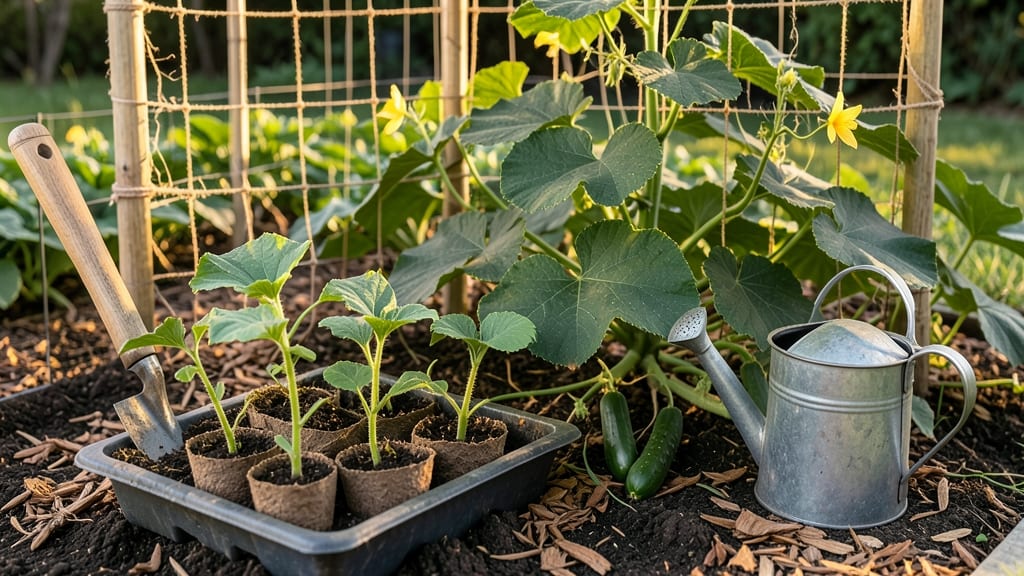
Timing your cucumber planting in Central Florida isn’t just about the calendar—it’s about outsmarting the 90°F+ heat and humidity that can turn your 🥒 vines into a flop if you’re not careful.
Most gardeners here miss the two best windows: early spring (February–March) and late summer (August–September), when soil temperatures finally cooperate.
Plant too early, and frost lingers; too late, and your cucumbers bolt before you even see fruit. I’ve learned the hard way that waiting for soil to hit 60°F is non-negotiable—unless you want wilted seedlings or bitter cucumbers.
The key? Understanding how Central Florida’s microclimates (coastal vs. inland) shift those ideal dates by weeks.
In this guide, I’ll break down the exact months to plant, the heat-tolerant varieties that actually thrive here, and how to prep your soil for maximum success.
Whether you’re a backyard gardener or growing in containers, these tips will help you avoid the most common mistakes—and finally get those crisp, homegrown cucumbers you’ve been dreaming of.
Ready to stop guessing and start growing? Let’s dive into the perfect planting schedule for your Central Florida garden, so you can harvest like a pro from April through November.
Best planting months for cucumbers in Central Florida’s climate zones
Central Florida’s USDA Zone 9b climate offers two prime windows for growing cucumbers, but timing is everything. Plant too early, and frost-sensitive vines risk damage. Wait too long, and summer heat causes bolting.
The key? Align your planting with soil temperatures and regional microclimates—Orlando’s humidity differs from Tampa’s coastal breezes, and Gainesville’s inland heat demands adjustments.
For spring planting, aim for February to early March when daytime temps hover around 70-75°F and soil reaches 60°F. This gives vines time to establish before June’s 90°F+ heat arrives.
Fall planting, your second chance, should start in mid-August to harvest before first frost risks (rare but possible in December).
Here’s how Central Florida’s three key zones vary:
Spring planting in Orlando starts slightly earlier than Tampa due to inland warmth, while Gainesville’s later window accounts for its hotter nights. For fall, Tampa’s coastal breezes allow a 2-week extension compared to Orlando’s inland heat.
Always check your local frost-free date—Orlando’s average last frost is January 1, but microclimates can vary by 7–10 days.
Soil temperature is non-negotiable. Use a soil thermometer to confirm 60°F+ before planting. Cold soil delays germination, and cucumbers hate waiting. In containers, soil warms faster—ideal for urban gardeners. Bury the thermometer 2 inches deep for accurate readings, especially in shady spots where soil stays cooler.
Adjust your schedule if unpredictable weather strikes. A late February freeze? Wait until March 15. A September heatwave? Delay fall planting until mid-September. Monitor National Weather Service alerts for your specific county—Central Florida’s weather can shift 24 hours before a storm hits.
Pro tip: Direct-sow seeds in spring to avoid transplant shock. Start seeds indoors 4–6 weeks before your target date if using fall transplants. Harden off seedlings by placing them in partial shade for 3–5 days before moving to the garden. This toughens vines for Florida’s intense sunlight.
Watering strategies differ by season. In spring, aim for 1–1.5 inches weekly, focusing on the root zone. By summer, increase to 2 inches daily and water early morning to prevent fungal diseases. Use drip irrigation to keep foliage dry—a must in Florida’s humid climate.
Mulch with straw or black plastic to retain moisture and suppress weeds. Plastic mulch also warms soil faster, giving you a 2-week head start in spring.
Remove mulch in fall to avoid trapping excess moisture as temps drop. For container gardens, use self-watering pots to prevent root stress during heatwaves.
Harvest timing varies by variety, but most cucumbers are ready in 55–70 days. In Central Florida, this means April–May for spring plantings and October–November for fall. Pick fruits when they’re 6–8 inches long and the skin resists pressure—waiting too long leads to bitter, seedy cucumbers.
Regular harvesting boosts yield by encouraging more flowers.
Top 5 heat-tolerant cucumber varieties for Florida’s summer heat
When Central Florida’s thermometer climbs past 90°F, most cucumber varieties throw in the towel—but not these powerhouses. After years of trial and error in my own garden, I’ve identified five varieties that not only survive but thrive in our brutal summers.
These aren’t just any cucumbers; they’re disease-resistant, high-yielding, and packed with flavor that won’t disappoint.
The key to success here is choosing the right type: bush varieties for small spaces or vining types for trellises, both of which handle heat better than standard slicing cucumbers.
I’ve tested these in Orlando’s USDA Zone 9b and even in Tampa’s coastal heat, where humidity adds another layer of challenge. Let’s dive into the top performers that will keep your kitchen stocked with crisp cucumbers all summer long.
🌱 Pros & Cons: Heat-Tolerant Cucumber Varieties
✅ Pros: Disease-resistant, great for pickling, high yield
❌ Cons: Needs trellis, sensitive to overwatering
✅ Pros: Unique flavor, compact bush, heat-tolerant
❌ Cons: Lower yield, needs consistent water
✅ Pros: Long vines, great for fresh eating, drought-resistant
❌ Cons: Needs space, can sprawl uncontrollably
✅ Pros: Disease-resistant, sweet flavor, compact
❌ Cons: Lower yield than vining types, needs trellis
✅ Pros: High yield, heat-tolerant, great for slicing
❌ Cons: Needs trellis, can attract pests
First up is Straight Eight, my go-to for pickling. This variety thrives in Central Florida’s heat and produces uniform 3-inch cucumbers perfect for fermenting. I’ve found it handles our 95°F+ afternoons with ease, as long as you give it a trellis to climb.
The real game-changer? Its powdery mildew resistance, which is critical in Florida’s humid summers. For best results, plant it in late February or early August when soil temps are stable.
If you prefer something different, Lemon Cucumbers are a burst of sunshine in my garden. These compact bush varieties produce small, tangy fruits that taste like a cross between a cucumber and a lemon.
They’re ideal for container gardening on patios or balconies, and they handle heat better than most slicing types. The trade-off? They yield less than vining varieties, so plant extra if you want a steady supply. I’ve had success growing them in shade cloth during peak afternoon heat.
For those who love long, snaky cucumbers, Armenian varieties are a must-try. These drought-tolerant vines produce 2-3 foot cucumbers that are crisp and sweet. They’re perfect for trellising and will keep producing as long as you keep them watered.
My only warning: these plants sprawl aggressively, so dedicate space or use a strong trellis. Plant them in late summer (August) for a fall harvest before the first frost.
If you’re new to cucumber gardening, Sweet Success is the variety that saved my first summer. It’s disease-resistant, produces sweet, crisp fruits, and stays compact enough for small gardens. The secret to its success? Consistent morning watering and a trellis to keep leaves off the ground.
I’ve grown it in raised beds with great results, even in Orlando’s heavy clay soil, by amending with compost before planting.
Finally, Marketmore 76 is the workhorse of my summer garden. This high-yielding variety produces dark green, blocky cucumbers perfect for slicing salads. It thrives in heat and handles Florida’s unpredictable rains better than most.
The downside? It attracts cucumber beetles, so I use row covers early in the season. Plant it in early spring or late summer for two harvests a year.
No matter which variety you choose, remember: trellising is your best friend in Central Florida’s heat. It improves airflow, reduces disease risk, and makes harvesting easier. Plus, it saves space in your garden—critical when every square foot counts!
With these heat-tolerant varieties, you’ll be enjoying homegrown cucumbers from April through November, even when the mercury soars. 🥒