
Plants
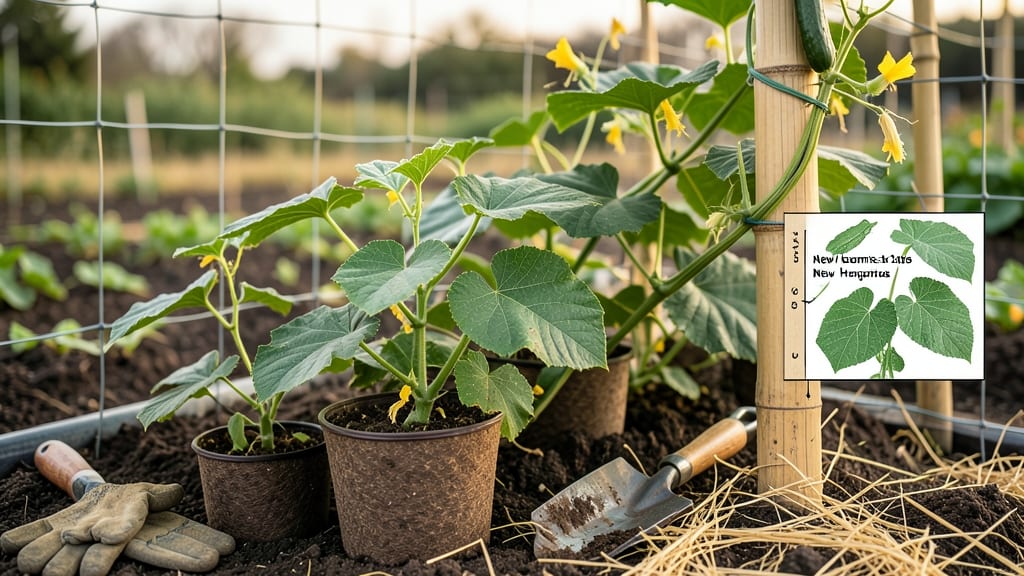
Planting cucumbers in New Hampshire isn’t just about waiting for spring—it’s about catching that narrow window between frost and summer heat when your 🥒 plants can truly thrive.
With last-frost dates swinging wildly from mid-April to mid-May, getting the timing right means the difference between a bountiful harvest and a sad, wilted vine.
I’ve learned the hard way that rushing cucumbers into cold soil or waiting too long can leave you with bitter fruit—or worse, no fruit at all. The key is knowing your specific zone (5b-6b) and using soil temperature as your real guide, not just the calendar.
Let’s break down exactly when to plant for maximum success, including how to work around NH’s unpredictable weather.
You’ll discover how to extend your growing season with simple tricks like row covers and black plastic mulch, plus the best cucumber varieties that actually perform well in our cooler climate.
Whether you’re a first-time gardener or a seasoned pro, these strategies will help you avoid common pitfalls and get crisp, homegrown cucumbers from July through September.
Ready to turn your garden into a cucumber powerhouse? I’ll walk you through every step—from soil prep to harvest—so you can enjoy fresh slices straight from the vine without the guesswork. Let’s get started!
New Hampshire cucumber planting dates by hardiness zone (5-6)
New Hampshire’s USDA hardiness zones 5a-6b create unique challenges for growing cucumbers—a warm-season crop that hates frost. Unlike southern states, NH’s last spring frost can arrive as late as May 15, while early autumn frosts may appear by October 15.
This means your planting window is tight, but with the right timing, you can still enjoy a bountiful harvest from July through September.
Cucumbers thrive when soil temperatures reach at least 60°F, which typically happens 2-4 weeks after the last frost date. In zone 5a (cooler northern NH), aim for late May to early June, while zone 6b (warmer southern NH) can start as early as mid-May.
The key is balancing soil warmth with frost risk—and using row covers or black plastic mulch can help extend your season in both zones.
Here’s your zone-specific frost-date calculator for NH cucumbers, including ideal transplant windows and soil temperature benchmarks to ensure success:
For zone 5a, where frosts linger longer, I recommend starting cucumber seeds indoors 3-4 weeks before your target transplant date (around mid-April). Use grow lights or a sunny windowsill to ensure strong seedlings. Once soil warms to 60°F, transplant outdoors after hardening off for 7-10 days.
In zone 6b, you can even direct-sow seeds 1 week after your last frost date if soil is warm enough.
One of my biggest mistakes early on was planting too soon in zone 5b—cucumbers wilted when a late frost hit in early May. Now, I use a soil thermometer to confirm 60°F+ before planting.
If your soil is still cold, black plastic mulch can raise temperatures by 5-10°F within days. For extra protection, cover young plants with floating row covers until they’re established.
NH’s short growing season means succession planting is key. After your first harvest in July, sow a second batch of fast-maturing varieties (like ‘Straight Eight’ or ‘Marketmore’) to extend production into September.
Just be sure to remove plants 4-6 weeks before the first frost to avoid bitter fruit. In zone 6b, you might even squeeze in a third planting in early July for a late-season harvest.
Pro tip: Monitor your local NH Agricultural Experiment Station
How to extend the cucumber growing season in NH’s short summers
New Hampshire’s cool summers and unpredictable frosts can make growing cucumbers feel like a losing battle—but it doesn’t have to be. With the right techniques, you can push your harvest window from July to September (or even October in zone 6b).
The secret lies in season extension tools and smart planting strategies that protect your plants from late frosts while maximizing warmth.
I’ve tested these methods in my own garden, and the results speak for themselves: cold frames add 2-3 weeks to both spring and fall growing seasons, while row covers create a microclimate that shields young plants from chilly nights.
Even in zone 5a, where frosts linger longest, these techniques can turn a 3-month harvest window into a 5-month one with minimal effort.
Here’s my proven step-by-step guide to extending your cucumber season in NH, ranked by effectiveness:
- 1 Use black plastic mulch to raise soil temperatures by 5-10°F within days. Lay it down 2-3 weeks before planting to warm the soil faster than nature alone. This lets you plant 1-2 weeks earlier in spring and extend harvests by 10-14 days in fall.
- 2 Deploy floating row covers for early spring and late fall protection. These lightweight fabrics block 90% of light while allowing air and water through, preventing frost damage to young plants. Remove covers when flowers appear to allow pollination.
- 3 Build a cold frame for a 2-3 week extension in both directions. A simple DIY frame with clear plastic walls traps heat during the day and radiates it back at night. Plant cold-tolerant varieties like 'Northern Pickling' under protection for early harvests.
- 4 Practice succession planting every 2 weeks from mid-May to early July. This ensures a continuous harvest by staggering plant maturity. In zone 6b, you can even plant a final batch in early July for October harvests before frost.
- 5 Choose heat-tolerant varieties like 'Straight Eight' or 'Lemon Cucumber', which thrive in NH’s 75-85°F summer heat. These varieties also handle brief cold snaps better than standard types, giving you more flexibility in timing.
My favorite combination? Start with black plastic mulch to warm the soil, then add a floating row cover for the first 2 weeks of growth. Once plants are established (around 6 inches tall), remove the cover to encourage pollination.
For fall extensions, I use a cold frame on my latest planting—it’s amazed me how many cucumbers I’ve harvested in October when others in my neighborhood have given up.
Don’t forget that trellising also helps extend your season. Vining cucumbers grown vertically stay cleaner and dry faster, reducing disease risk that can cut harvests short.
Plus, elevated plants are less likely to rot from soil-borne pathogens in NH’s damp summers. Aim for a 6-foot trellis to maximize space and airflow.
With these techniques, you’ll turn NH’s short summers into a cucumber-growing powerhouse. The key is starting early, protecting young plants, and keeping the momentum going with succession plantings.
Trust me—your taste buds (and your neighbors’) will thank you when you’re still harvesting crisp cucumbers in September while others are shopping at the store. 🌱