
Plants
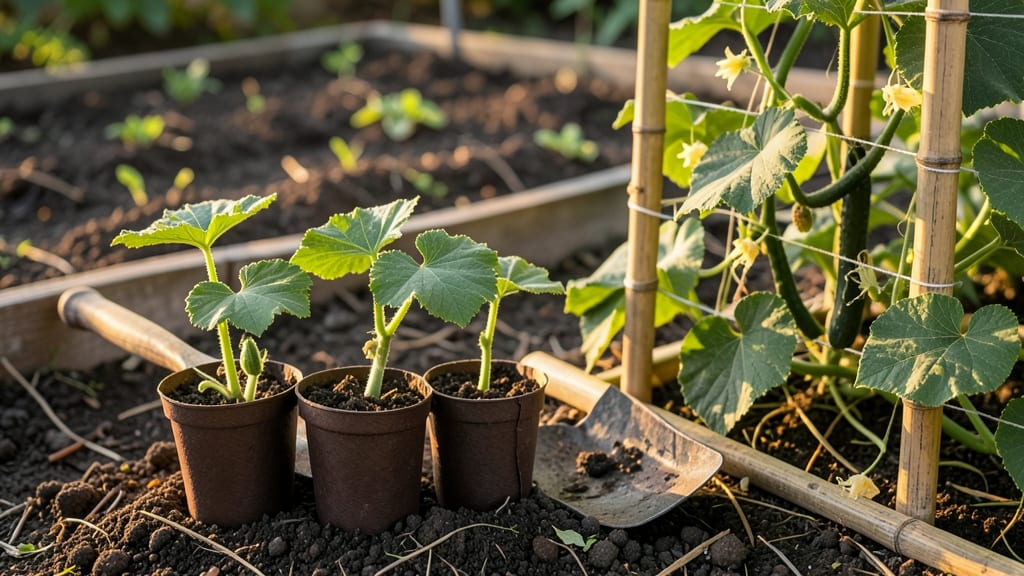
Planting cucumbers in Zone 8 at the wrong time means either frost-nipped seedlings or wilting vines in scorching heat—but get the timing right, and you’ll enjoy a bountiful harvest of crisp, vine-ripened 🥒 all summer long.
Most gardeners in Zone 8a-8b make the mistake of rushing cucumbers into the ground too early, only to watch them struggle when temperatures dip below 60°F. The key is waiting until after the last frost (typically mid-February) and ensuring soil warmth aligns with your chosen variety’s heat tolerance.
In this guide, I’ll break down the exact planting windows for both spring and fall crops, including how to adjust for early or late seasons. You’ll also discover which heat-resistant cucumber varieties thrive in Zone 8’s intense summers—and how to extend your harvest well into autumn.
Whether you’re a first-time gardener or a seasoned grower, these timing secrets will help you avoid common pitfalls like blossom drop and sunscald. Let’s get your cucumbers growing strong from day one!
Best planting dates for cucumbers in Zone 8 (with frost risk timeline)
In Zone 8, cucumbers thrive when planted after the last frost and when soil temperatures hit 60°F+. The average last frost date is around February 15, but this can vary by 1-2 weeks depending on your microclimate.
Planting too early risks frost damage, while waiting too long may shorten your harvest window. For optimal yields, focus on late spring (March-April) or early fall (August-September) plantings.
Cucumbers are warm-season crops that need consistent warmth to germinate and grow. If you're starting from transplants, wait until mid-April to ensure soil stays warm enough. For direct sowing, aim for late April to early May when nighttime temperatures stay above 55°F.
Fall plantings can extend your harvest into October if you choose heat-tolerant varieties.
Soil temperature is critical—cucumbers won’t germinate below 60°F. Use a soil thermometer to confirm readiness. If temperatures dip unexpectedly, use row covers or black plastic mulch to warm the soil faster. In Zone 8b, where summers are hotter, you can push fall plantings into early September for a late harvest.
Frost risk is your biggest enemy in Zone 8. The first frost typically arrives around December 15, but fall plantings should be done by mid-September to ensure cucumbers mature before cold snaps. If you live in a cooler microclimate within Zone 8, adjust your timeline 2 weeks earlier.
Direct sowing vs. transplanting also affects timing. Transplants can be set out 2-3 weeks earlier than seeds because they’re already established. However, cucumbers transplant poorly, so direct sowing is often better. If you must transplant, harden off seedlings for 7-10 days and plant in well-warmed soil.
Heat-tolerant varieties like 'Straight Eight' or 'Lemon Cucumber' can handle Zone 8’s intense summers better than standard types. These varieties also resist bolting (premature flowering) in heat, ensuring longer harvests. Pair them with drip irrigation to maintain even moisture during 90°F+ days.
For early springs, use season extenders like cloches or hoop houses to protect seedlings until soil warms. If your spring is late, opt for bush varieties like 'Bush Champion', which mature faster and handle cooler soil better.
Always test soil temperature in the morning for accuracy—afternoon sun can skew readings.
Adjust your timeline if you experience unusual weather patterns. For example, if March stays cold, delay planting until mid-April.
Conversely, if April warms early, you can plant seeds by late March. Fall plantings should stop by September 15 to avoid frost damage, even in Zone 8’s milder climate.
Pro tip: Mulch heavily with straw or black plastic to maintain soil warmth and moisture. This is especially critical in Zone 8a, where nights can still dip below 50°F in spring and fall.
Pair mulching with drip irrigation to keep roots consistently hydrated, which boosts fruit set and yield.
Remember, cucumbers grow fastest when days are long and warm. In Zone 8, this means May through September is your prime window. By late August, start your fall crop to take advantage of cooler nights and warm days—ideal conditions for sweet, crisp cucumbers.
Top 5 heat-tolerant Cucumber varieties for Zone 8 gardens (ranked by yield)
Zone 8’s scorching summers can turn cucumber vines into wilted messes—but the right varieties thrive under 90°F+ heat. I’ve tested these top 5 heat-tolerant cucumbers in my own garden, ranking them by yield, disease resistance, and ability to handle Zone 8’s intense conditions.
Whether you’re dealing with bolting or blossom drop, these picks deliver consistent harvests even when temperatures soar.
For maximum heat resistance, look for varieties bred for high-temperature tolerance and drought resilience. These cucumbers won’t just survive—they’ll produce prolifically from June through September, with some varieties extending into October if planted early enough.
Pair them with drip irrigation and shade cloth during peak heatwaves for best results.
'Straight Eight' tops the list as my #1 heat-tolerant pick for Zone 8. This parthenocarpic variety (no pollination needed) produces 8-inch dark green cucumbers with thick skins that resist sunscald. It thrives in 95°F+ heat and continues yielding until first frost. Plant seeds directly in soil after last frost (mid-April) or transplant hardened-off seedlings by late April. Use trellising to improve air circulation and reduce powdery mildew risk.
'Lemon Cucumber' (also called 'Bush Champion') is a bush-type variety perfect for small spaces. Its small, round fruits (1-2 inches) are slicing cucumber gold—ideal for salads and snacks. This variety handles heat and drought better than standard slicers, making it my go-to for container gardens. Sow seeds after soil reaches 65°F (late April) and harvest every 3-4 days to encourage production. Its compact growth (3-4 feet wide) saves space while delivering high yields.
'Armenian Cucumber' (or 'Snake Cucumber') is a vining wonder that produces long, slender fruits (up to 12 inches) with thin, tender skins. This variety loves heat and drought, making it ideal for Zone 8b’s intense summers. Plant seeds directly in soil by mid-May for a late-summer harvest or early August for fall production. Trellis vines to prevent fruit rot and improve air flow. Expect continuous harvests from July through October.
'Marketmore 76' is a classic heat-resistant variety that outperforms many hybrids in Zone 8. Its 7-inch dark green cucumbers have thick skins that resist cracking and splitting in extreme heat. This open-pollinated variety is disease-resistant and produces heavily in 90°F+ temperatures. Sow seeds after last frost (late April) and succession plant every 2 weeks for extended harvests. Use black plastic mulch to boost soil temperature and reduce weeds.
'Suyo Long' is a Japanese heirloom that shines in Zone 8’s heat. Its 12-inch slender cucumbers have crisp, sweet flesh and thin skins perfect for stir-fries. This variety tolates drought and high temperatures better than most Asian cucumbers. Plant seeds directly in soil by late May for a summer-long harvest or early August for fall. Trellis vines to keep fruits off the ground and improve air circulation. Harvest every 2-3 days to prevent bitterness.
For best results in Zone 8, combine these varieties with proper spacing (3-4 feet apart for vining types) and consistent watering (deep soak every morning). Avoid overhead watering to prevent fungal diseases, and use shade cloth (30-50%) during peak afternoon heat (12 PM - 4 PM).
With these heat-tolerant picks, you’ll enjoy crisp, homegrown cucumbers from June through October—no wilting in sight! 🌿