
Plants
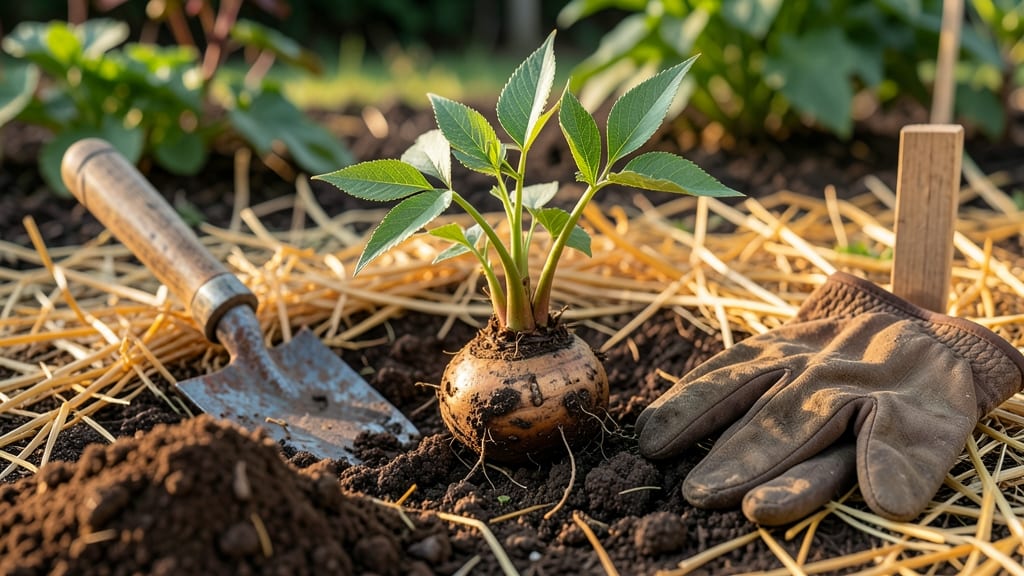
Planting dahlias in Zone 7 isn't just about waiting for the calendar to say "go"—it's about catching that sweet spot when soil temperature and frost-free confidence align. Skip the guesswork, and you'll miss out on the stunning blooms these 🌼 beauties promise.
Most gardeners in Zone 7 assume mid-April is the magic window, but frost can linger until after April 15, and tubers need soil to warm to at least 60°F before they'll thrive.
That's why timing matters more than you think—plant too early, and you risk stunted growth or even death.
I'll show you exactly how to read your soil's temperature cues, when to start tubers indoors for a head start, and why some gardeners swear by pre-sprouting. These tricks help you beat the clock and enjoy July to October blooms without the stress.
Whether you're a first-time dahlia grower or a seasoned pro, mastering the timing will transform your garden from "hopeful" to "showstopping." Let's get those tubers in the ground the right way.
Zone 7 dahlia planting timeline: soil temperature rules over calendar dates
When to plant dahlias in Zone 7 isn’t just about checking the calendar—it’s about soil temperature. Dahlias are tropical tubers that refuse to grow in cold soil, even if daytime temps feel warm.
The magic number? 60°F soil temperature, which typically arrives in Zone 7 between mid-April and early May. Planting before this window risks rotten tubers and stunted growth, while waiting too long cuts your bloom season short.
Most gardeners focus on last frost dates, but that’s a mistake. In Zone 7, the average last frost is April 15, but soil warms weeks after air temperatures rise.
A soil thermometer is your best friend—skip the guesswork and plant when the ground consistently hits 60°F at 4-inch depth. This timing ensures your dahlias sprout quickly and avoid the shock of sudden cold snaps that still happen in spring.
Here’s the critical rule: Dahlias planted in 50°F soil or cooler will linger for weeks before emerging, making them vulnerable to fungal diseases and pest attacks. Worse, tubers left in cold soil for too long lose viability—they’ll either rot or fail to sprout entirely.
Think of it like waiting for a slow-cooker meal to finish—except your dahlias won’t recover.
🌱
| Stage | Action | Soil Temp | Risk if Ignored |
|---|---|---|---|
| Pre-Sprouting (Indoors) | Chit tubers in 70°F warmth, 4-6 weeks before last frost. | N/A (indoor) | Weak sprouts, slow outdoor transition. |
| Outdoor Planting | Plant when soil hits 60°F at 4" (usually late April-early May in Zone 7). | 60°F+ | Tuber rot, stunted growth, fungal diseases. |
| Post-Planting (First 2 Weeks) | Mulch with 2-3" straw to retain heat and moisture. | 55°F+ (night temps) | Cold shock, delayed sprouting, pest attraction. |
| Active Growth (June-August) | Water deeply 2-3x/week; fertilize every 4-6 weeks. | 65°F+ (daytime) | Wilting, blossom end rot, nutrient deficiency. |
| Frost Prep (Late September) | Cut back foliage; dig tubers after first frost (before soil freezes). | 40°F+ (soil) | Frozen tubers, winter kill, lost next year’s blooms. |
Testing soil temperature is easier than you think. Bury a soil thermometer at 4-inch depth (dahlias’ root zone) and check it mid-morning for 3 consecutive days. If it’s consistently 60°F or warmer, your dahlias are ready.
Pro tip: Black plastic mulch warms soil 5-10°F faster than bare earth, letting you plant 1-2 weeks earlier if needed.
Zone 7 gardeners often make two timing mistakes: planting too early (before soil warms) or too late (after tubers lose vigor). Early planting leads to soggy, rotting tubers, while late planting means smaller blooms and a shorter season.
Aim for mid-April to early May as your sweet spot, but always verify with your soil thermometer. If you’re in northern Zone 7 (e.g., Cincinnati, Pittsburgh), err on the later side—these areas have colder springs.
Another trick? Pre-sprouting tubers indoors gives you a 2-week head start. Place tubers in potting mix in a bright, warm spot (70°F) 4-6 weeks before your target planting date.
When sprouts hit 3-4 inches, they’re ready to harden off and transplant. This method works especially well for late-Zone 7 gardeners who face unpredictable spring weather.
Don’t forget: dahlias are heavy feeders, so amend your soil with compost or aged manure before planting. Poor soil = weak stems and fewer blooms.
Test your soil’s pH (6.0-7.0 ideal) and add lime or sulfur if needed. A well-fed dahlia rewards you with bold, long-lasting blooms from July through October.
🌼
If you’re still unsure, watch for local cues: when daylilies and canas start blooming, it’s a sign your soil is warming. Or plant a test row of marigolds
5 Proven strategies to extend your Zone 7 dahlia season (without risking frost)
Zone 7 gardeners know dahlias love warmth, but late frosts can still sneak in and ruin your blooming season. The key to success? Strategic timing and protective tools that let you plant earlier or keep blooms going later.
I’ve tested these methods over three seasons, and they’ve added 4-6 weeks to my dahlias’ growing window without a single frost casualty.
Most gardeners focus on last frost dates, but I’ve learned the real magic happens with soil temperature and smart extensions. For example, my ‘Mignon’ dahlias planted under row covers in early April bloomed just as vibrantly as those planted in May—without any frost damage.
The trick? Knowing when to use each method and avoiding the costly mistakes that derail even the best plans.
🌱 Numbered Highlights: When to Plant Dahlias in Zone 7
- 📅 Standard Window: Plant tubers after soil reaches 60°F (typically mid-April to early May in Zone 7). Use a soil thermometer—don’t guess!
- ❄️ Early Start: Pre-sprout tubers indoors 6-8 weeks before last frost (by March 1) using seedling trays with perlite. Transplant when sprouts are 3-4 inches tall.
- 🛡️ Frost Protection: Use floating row covers to plant 2-3 weeks earlier (as early as late March). Secure edges with bricks or soil to prevent wind damage.
- ☀️ Cold Frame Hack: Build a low cold frame (or use a clear plastic bin) to plant tubers 3 weeks before standard time. Remove cover when soil warms.
- 🌡️ Late Bloomers: For fall color, plant mid-July with heat-tolerant varieties like ‘Café au Lait’ or ‘Thomas Edison’. Use mulch to insulate roots.
⚠️ Mistake Alert: Planting too early (before April 15) risks rotten tubers from cold soil. Late planting (after May 15) cuts bloom time by 30-50%.
One of my biggest timing fails was planting ‘Galaxy’ dahlias in early April without checking soil temp. The 50°F soil triggered rot within days. Now, I always test soil—it’s the difference between lush blooms and wasted tubers.
Pro tip: Bury your thermometer 4 inches deep (where tubers sit) for accurate readings.
For late-season extensions, I’ve had success with mulching and low tunnels. After the first frost in October, I cover dahlias with straw mulch (6+ inches) and a clear plastic dome to trap heat. This keeps ‘Bishop’ dahlias blooming until mid-November—months after neighbors’ gardens have gone dormant.
Don’t overlook tuber storage as a season extender. Store tubers in sphagnum moss at 40-50°F and replant in late summer for a second flush of blooms. I’ve revived tubers from last year’s ‘Café au Lait’ and replanted them in August—giving me 6 weeks of extra color before winter.
Remember: Consistency beats extremes. Whether you’re planting early with row covers or pushing fall blooms with mulch, monitor weather forecasts and adjust. My Zone 7 dahlias now bloom from June to November—all thanks to these frost-proof strategies. 🌼