
Plants
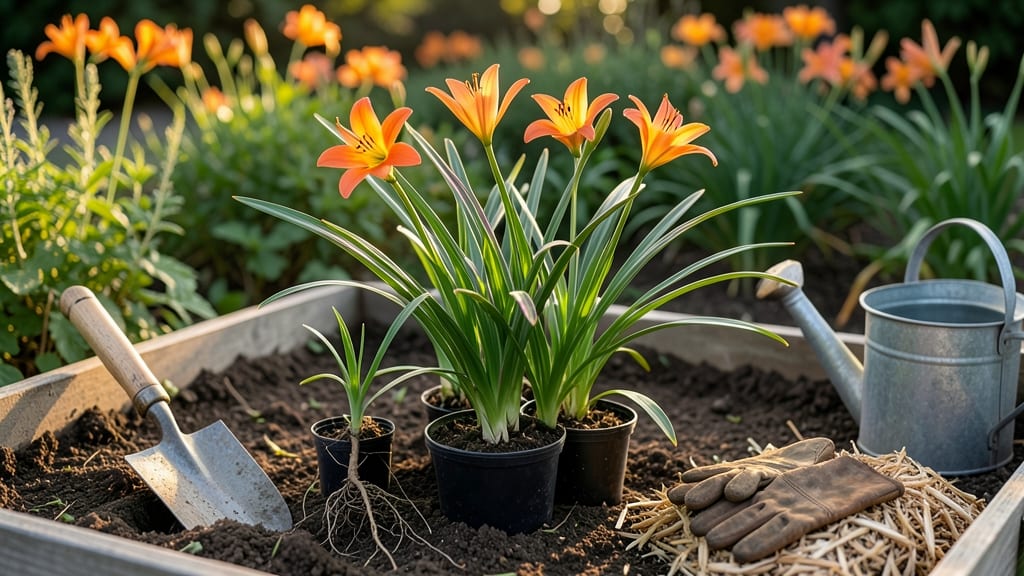
Planting daylilies in Georgia at the wrong time can mean the difference between vibrant blooms and struggling plants fighting for survival. The key isn’t just picking a season—it’s understanding your USDA 7a-8b zone and when the soil warms enough to support those 🌸 roots.
Georgia’s humid climate and long growing season give you two solid windows to plant: early spring (March-April) or fall (September-October). But timing matters—plant too early, and frost can still nip new growth; too late, and summer’s brutal heat will stress your daylilies before they take root.
I’ll break down exactly when to plant for maximum success, including soil temperature tips and how Atlanta’s microclimate differs from Savannah’s. Whether you’re a first-time gardener or a seasoned pro, these insights will help you get your daylilies off to the best possible start.
Ready to transform your garden? Let’s dive into the perfect planting schedule for Georgia’s unique conditions—so you can enjoy those stunning blooms all season long.
Georgia’s best planting months for daylilies (by USDA Zone & soil temperature)
Georgia’s USDA zones 7a–8b create a near-perfect climate for daylilies, but the key to success lies in soil temperature and frost-free windows.
Unlike northern states, Georgia’s mild winters and long summers demand precise timing—plant too early, and late frosts (common until March 15) can damage tender roots; too late, and summer’s 90°F+ heat will stress newly planted daylilies before they establish.
Daylilies thrive when soil reaches at least 50°F, a threshold Georgia typically hits by mid-March in Zone 8b (e.g., Savannah) and late March in Zone 7a (e.g., Blue Ridge Mountains).
However, fall planting (September–October) offers a hidden advantage: cooler air and moist soil help roots establish 30% faster before winter dormancy.
🌱 Pro Tip: Use a soil thermometer to confirm 50°F+ soil temps—this is your green light for planting. In Zone 8a (Atlanta), aim for March 1–April 15; in Zone 7a (Dahlonega), wait until April 1–May 1 to avoid frost risk.
While spring planting (March–April) is the most popular choice, fall planting (September–October) can outperform it in Georgia’s humid climate. Fall-planted daylilies benefit from cooler air and natural rainfall, reducing transplant shock.
In Zone 8b (Savannah), you can even plant as early as January—just ensure soil isn’t waterlogged from winter rains.
🌡️ Soil Temp Hack: Bury a thermometer 4 inches deep (daylily root zone) for 3 days to confirm stability. If temps dip below 50°F at night, delay planting by 1–2 weeks. Georgia’s clay-heavy soils (common in Zone 7a) retain cold longer, so test multiple spots in your garden.
For container-grown daylilies, timing is less critical, but March–May still reigns supreme. Containers warm up faster than soil, so you can plant 2–4 weeks earlier than in-ground daylilies. Just ensure pots have drainage holes to prevent root rot—a common issue in Georgia’s humid summers.
Missed the spring window? Don’t panic—August planting is still viable if you water deeply 2–3x weekly and use mulch to retain moisture. By September, focus on fall prep: amend soil with compost and choose drought-tolerant varieties (e.g., ‘Hadspen’ or ‘Stella de Oro’) for Georgia’s hot, dry spells.
⚠️ Avoid These Mistakes: Planting in frozen or waterlogged soil (common in Zone 7a wintersmicroclimates. A south-facing slope in Athens may warm up 2 weeks earlier than a north-facing yard, so adjust your timeline accordingly.
With Georgia’s 215 frost-free days, daylilies have ample time to thrive—but timing roots to soil warmth is the secret to vibrant blooms. Whether you choose spring’s reliability or fall’s moisture boost, prioritize 50°F+ soil and you’ll set your daylilies up for a showstopping summer display.
5 Signs your Georgia soil is ready for daylily planting (and 3 mistakes to avoid)
Daylilies thrive in Georgia’s warm climate, but soil readiness determines their long-term success. Unlike many plants, daylilies prefer well-draining soil with a slightly acidic to neutral pH (6.0–7.0). Georgia’s heavy clay soils often need amendments to avoid root rot, while sandy soils may require organic matter to retain moisture.
Before planting, check these critical soil conditions to ensure your daylilies get off to the best start.
One of the easiest ways to test soil readiness is the finger squeeze test. Press your finger into the soil—if it crumbles easily, it’s loose and ready. If it sticks to your hands or forms a hard clump, it’s too compacted.
Georgia’s clay-heavy soils often fail this test, so amend with compost or aged manure to improve structure. Daylilies hate soggy roots, so prioritize drainage over moisture retention.
- Soil temperature reaches 50°F+ at 4" depth (use a soil thermometer). Georgia’s spring soils warm quickly—aim for mid-March to April in most zones.
- Earthworms or other soil organisms are active. Their presence means aerated, nutrient-rich soil perfect for daylily roots.
- Moisture level is evenly damp but not waterlogged. Stick your finger in—if it feels like a wrung-out sponge, it’s ideal.
- No standing water after rain. Clay soils in Georgia often pool water; raise beds or add sand if drainage is poor.
- Soil pH is between 6.0–7.0. Test with a kit—Georgia’s acidic soils may need lime to adjust.
Georgia gardeners often make three critical mistakes when planting daylilies. First, ignoring soil compaction—common in clay-heavy areas like Atlanta—restricts root growth. Second, planting too deep, which suffocates the crown (the thick base where roots and stems meet).
Always bury the crown just below soil level. Third, skipping mulch in summer leads to moisture loss and heat stress. Apply 2–3 inches of mulch after planting to retain soil moisture and regulate temperature.
For clay soils, mix in 1 part sand or perlite with 2 parts compost to improve drainage. In sandy soils, blend in peat moss or coconut coir to boost water retention. Daylilies’ shallow roots benefit from loose, airy soil, so avoid heavy tilling, which can damage roots.
Instead, loosen soil with a broadfork to create channels for roots without disturbing the top layer.
Watch for visual cues like vibrant green foliage and rapid growth after planting—signs your soil is perfect. If leaves yellow or wilt, your soil may be too wet or nutrient-deficient.
Adjust with organic fertilizer or more compost. In Georgia’s humid climate, fungal diseases like rust can thrive in poorly drained soil, so prioritize amendments that improve airflow and moisture control.
With the right soil prep, your daylilies will reward you with bold blooms from early summer through fall. Georgia’s heat and humidity actually enhance daylily growth, but only if the soil provides the right foundation.
Take the time to test and amend—your garden will thank you with vibrant, long-lasting flowers year after year. 🌸