
Plants
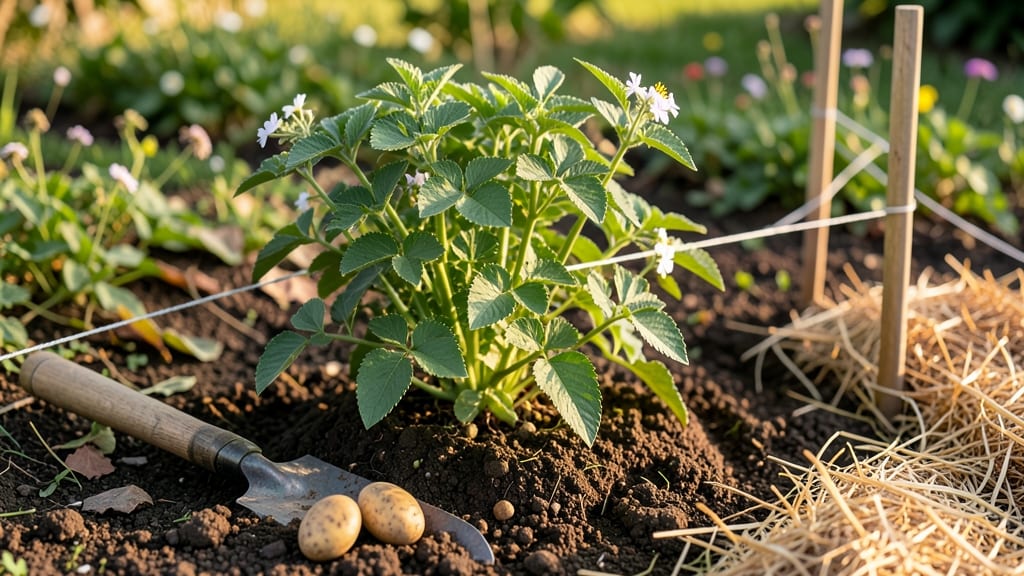
Planting fall potatoes in Arkansas isn't just about throwing seed potatoes into the dirt—it's about timing them perfectly to beat frost and harvest before winter sets in.
With USDA zones 7a-8a and a first frost typically arriving around November 15, getting those spuds in the ground 4-6 weeks before ensures you'll enjoy a bumper crop when others are shivering.
I've grown potatoes here for years, and the difference between a zero-frost harvest and a wasted crop comes down to these critical windows.
Most Arkansas gardeners swear by planting between late August and early September, but the exact date depends on your county's microclimate. For example, cooler areas like the Ozark Mountains may need to start earlier, while southern regions can push it closer to mid-September.
The key is soil temperatures—potatoes thrive when the ground stays above 50°F for consistent growth, but not so hot that they bolt too quickly. I'll show you how to adjust your schedule based on your specific location to maximize yields.
What separates a good potato harvest from a great one? It's not just the planting date—it's the prep work. From testing your soil's pH to choosing the right variety (like frost-hardy Yukon Golds), every detail matters.
You'll also learn how to spot the signs of readiness—when those tubers are 2-3 inches wide and the foliage starts yellowing—so you can pull them just before the first frost hits. Let's dive into the exact steps to make your Arkansas fall potato patch a success.
Whether you're a seasoned gardener or just starting out, these county-specific planting dates and care tips will give you the confidence to grow potatoes that outlast the frost. No more guessing games—just a foolproof plan to enjoy homegrown spuds straight from your garden until winter. Ready to dig in?
Arkansas county-specific fall potato planting dates by hardiness zones
Arkansas gardeners know that fall potatoes thrive when planted at the right time—too early, and frost zaps your crop; too late, and yields shrink. The key lies in your USDA hardiness zone (mostly 7a/7b) and county-specific frost dates.
I’ve broken down the ideal planting windows for six key Arkansas counties to help you time it perfectly for a zero-frost harvest.
For fall potatoes, focus on planting when soil temperatures hover between 55°F and 65°F. This range ensures strong tuber formation without heat stress.
Most Arkansas counties fall into USDA Zone 7a/7b, but microclimates—like urban heat islands in Little Rock or cooler river valleys near Jonesboro—can shift your ideal window by 1-2 weeks.
Here’s the critical rule: Plant 4-6 weeks before your county’s first frost date. This gives tubers time to mature before temperatures dip below 32°F. For example, in Fayetteville (Zone 7b), the first frost typically arrives November 15, so aim for late August to early September plantings.
Soil temperature matters more than air temperature. Use a soil thermometer to confirm your garden bed is ready. In Arkansas, ideal soil temps for fall potatoes are 55°F–65°F at a 4-inch depth.
If your soil runs cooler (common in Mountain Home or Eureka Springs), wait until late August or early September.
| County (Zone) | First Frost Date | Ideal Planting Window | Soil Temp Goal (°F) | Harvest Window |
|---|---|---|---|---|
| Fayetteville (7b) | Nov 15 | Aug 20–Sep 5 | 55–65°F | Oct 15–Nov 10 |
| Little Rock (7b) | Nov 10 | Aug 25–Sep 10 | 55–65°F | Oct 1–Nov 5 |
| Jonesboro (7a) | Nov 20 | Aug 15–Aug 30 | 55–65°F | Sep 20–Oct 15 |
| Fort Smith (7b) | Nov 12 | Aug 22–Sep 6 | 55–65°F | Oct 10–Nov 8 |
| Mountain Home (7a) | Nov 25 | Aug 10–Aug 25 | 55–65°F | Sep 15–Oct 10 |
| El Dorado (8a) | Nov 5 | Sep 1–Sep 15 | 55–65°F | Oct 10–Nov 1 |
*Frost dates based on 30-year NOAA averages. Adjust 1–2 weeks for urban/rural microclimates.
Notice how El Dorado (Zone 8a) has a later planting window? Warmer climates allow for September plantings, but even here, aim to harvest before November 5 to avoid frost damage. For Jonesboro and Mountain Home (Zone 7a), plant earlier—by mid-August—to beat the earlier frosts.
Pro
How to adjust planting dates for early vs. late varieties in Arkansas
Not all potato varieties thrive under Arkansas' fall frost pressures.
Choosing the right type—and planting it at the right time—can mean the difference between a zero-frost harvest and a wasted crop. Early varieties like Red Pontiac bolt quickly in heat, while cold-hardy types like Yukon Gold or Kennebec tolerate cooler soils. The secret? Staggered plantings to extend your harvest window.
For heat-sensitive varieties, plant early—by mid-August in Zone 7a—to avoid the 90°F+ spells that trigger bolting. Red Pontiac, for example, needs cooler temps to develop properly. Meanwhile, cold-hardy varieties like Yukon Gold can wait until early September in Zone 7b without risking frost damage.
Early Varieties (Plant Mid-August)
- Faster maturity (60-75 days)
- Better for heat-sensitive types
- Earlier harvest before first frost
- Risk of bolting in heat
- Smaller tubers if planted too late
- Limited harvest window
Late Varieties (Plant Early September)
- Larger tubers at harvest
- Better for cold-hardy types
- Extended harvest season
- Higher blight risk in wet fall
- May not mature before frost
- Requires soil warmth for germination
To maximize yields, I recommend a two-stage approach: Plant Red Pontiac or LaSoda in mid-August for an early harvest, then follow with Yukon Gold or Kennebec in early September. This staggered schedule ensures tubers mature at different times, giving you a continuous supply until frost.
Watch for early blight signs (brown spots on leaves) if planting late. In Arkansas' humid falls, late varieties are more vulnerable. Use disease-resistant seed potatoes and apply a mulch layer to protect tubers from soil-borne pathogens.
For Zone 8a areas like El Dorado, you can push late varieties even later—into mid-September—but always confirm soil temps stay above 55°F. A soil thermometer is your best friend here.
Remember: The goal is to harvest before 32°F hits. If your foliage yellows but tubers aren't ready, hill soil over them to protect against light frost. With this strategy, you'll enjoy homegrown spuds from October through December—long after your neighbors are digging frozen potatoes.