
Flowers
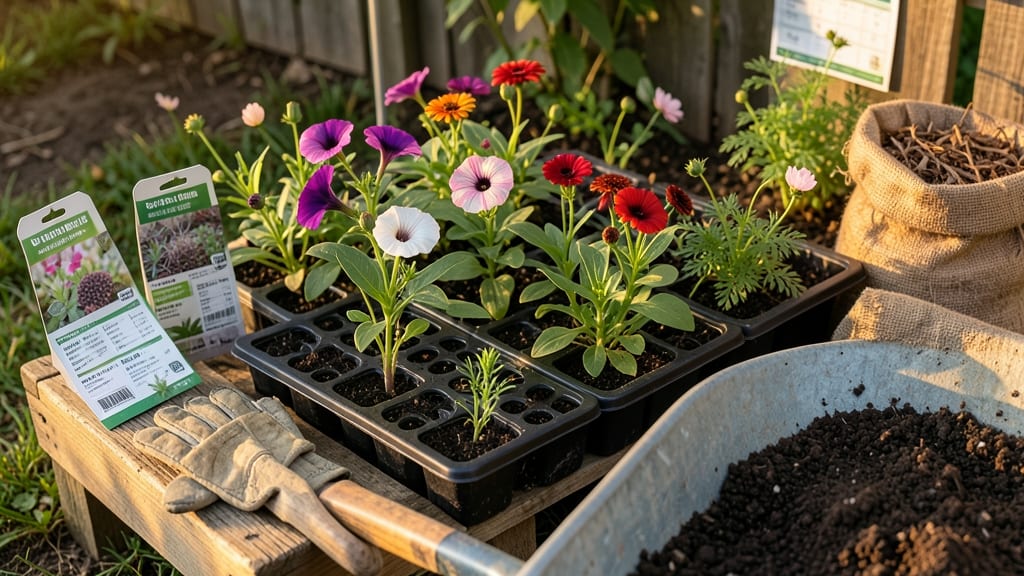
Planting flower seeds in Indiana at the wrong time can mean waiting months for blooms—or worse, watching them fail before they even sprout. With USDA Zone 6a’s unpredictable frost dates, knowing the precise window for your 🌸 seeds makes all the difference between a vibrant garden and a wasted packet.
Most Indiana gardeners swear by early spring as the best time, but late summer offers a second chance for heat-loving varieties. The key? Soil temperatures above 50°F and timing your seeds 4-6 weeks before the last frost (typically around April 15).
Get it wrong, and you might end up with leggy, weak plants or seeds that never germinate.
Don’t stress—even experienced gardeners adjust their schedules every year. Whether you’re planting petunias for summer color or cosmos for late-season blooms, this guide breaks down the exact months, soil prep tips, and care tricks to ensure your flowers thrive from seed to showstopper.
Ready to transform your Indiana garden into a year-round floral masterpiece? Let’s dive into the foolproof planting schedule that works for your climate—and skip the guesswork for good.
Indiana flower seed planting calendar by month: frost-free timing for annuals & perennials
Timing your flower seed planting in Indiana depends on USDA Zones 5-6, where last frost dates average April 15 but can vary by 1-2 weeks. Early bloomers like cosmos and marigolds thrive with late starts, while petunias need perfect timing to avoid frost damage.
Below, I’ll break down the ideal month-by-month windows for Indiana’s most popular flowers.
For spring planting, start 4-6 weeks before your last frost date (typically early March for heat-loving annuals). Perennials like black-eyed Susans can handle cooler soil, while heat-tolerant varieties (e.g., zinnia) wait until late April. Always check soil temperatures—50°F+ ensures germination.
🌱
| Month | Best Flowers to Plant | Soil Temp Requirement | Last Frost Risk | Pro Tip |
|---|---|---|---|---|
| March | Snapdragons, Pansies, Sweet Alyssum | 40-50°F | High (use row covers) | Start seeds indoors for frost-sensitive varieties. |
| April | Marigolds, Cosmos, Zinnias, Sunflowers | 50-60°F | Moderate (after April 15) | Direct sow after soil warms; mulch to retain heat. |
| May | Petunias, Impatiens, Nasturtiums | 60°F+ | Low | Plant in partial shade for slower soil warming. |
| June | Late-Blooming Dahlias, Celosia | 65°F+ | None | Succession plant every 2 weeks for continuous blooms. |
| August | Cosmos, Marigolds, Bachelor’s Buttons | 55°F+ | None (fall planting) | Choose heat-tolerant varieties for late starts. |
| September | Pansies, Sweet Peas, Calendula | 45-55°F | Low (first frost Oct 15) | Plant 8-10 weeks before first frost for fall color. |
If you miss the spring window, don’t panic! Heat-loving annuals like cosmos and marigolds germinate easily in late summer (August), even if soil is warm. These varieties thrive with direct sun and drought tolerance, making them perfect for Indiana’s unpredictable fall weather.
For perennials, sow seeds in early spring (March) or late summer (August) to establish roots before winter. Black-eyed Susans and coneflowers are hardy choices that tolerate cooler soil temperatures and light frost once established.
Always monitor soil temperatures with a soil thermometer—50°F+ is ideal for most seeds. If temperatures dip below 45°F, opt for row covers or indoor starts to protect tender seedlings. My go-to for late starts? Heat-tolerant zinnias—they germinate in 7-10 days even in 75°F+ soil.
Pro tip: Succession plant every 2-3 weeks in spring and summer to ensure continuous blooms. For example, sow marigolds every 3
How to extend your Indiana flower season: cold frames, row covers & succession planting
Indiana’s USDA Zone 6a climate means frost can linger well into spring or arrive early in fall—but with the right techniques, you can push your flower season by 4-6 weeks in both directions. Cold frames and row covers shield delicate seedlings from late frosts, while succession planting ensures blooms all summer long.
The secret? Choosing hardy annuals like pansies and snapdragons that tolerate light frost (down to 28°F) and heat-tolerant varieties like cosmos that thrive even when planted in August.
Start with cold frames—these unheated glass boxes raise soil temperatures by 10-15°F, letting you plant 4-6 weeks earlier than usual. My go-to for early blooms? Sweet Alyssum and violas, which germinate at 40°F and bloom in 6-8 weeks.
For row covers, use floating fabric tunnels over seedlings to protect against 25°F temps. These work wonders for petunias and geraniums, which need 50°F+ soil to thrive.
- 🌱 Early Start: Use cold frames to plant pansies and snapdragons in March (soil 40°F+), blooming 6-8 weeks early.
- ☀️ Frost Protection: Cover seedlings with row covers for 28°F tolerance—ideal for petunias and geraniums.
- 🌿 Succession Planting: Sow marigolds and cosmos every 2 weeks from April to July for continuous blooms.
- 🔥 Late-Season Extenders: Plant zinnias and sunflowers in August (soil 55°F+) for fall color.
- ✂️ Deadheading: Remove spent blooms to encourage 2-3 weeks of extra blooms in heat-tolerant varieties.
For succession planting, focus on fast-growing annuals like marigolds (germinate in 5-7 days) and cosmos (self-seeds prolifically). Plant the first batch in early April, then repeat every 2-3 weeks until mid-July.
This strategy keeps your garden bursting with color from May through October. Pro tip: Zinnias are my top pick for succession planting—they bloom in 60 days and tolerate 90°F+ heat.
Don’t overlook fall planting! Pansies and calendula thrive when sown in late August for September-October blooms. These cool-season flowers handle 32°F temps and add vibrant color to your garden when most annuals have faded.
For extra protection, use row covers or straw mulch to insulate roots during light frosts.
To maximize your flower season, combine these techniques: start early with cold frames, protect seedlings with row covers, and succession plant heat-lovers like sunflowers and celosia. With these methods, you’ll enjoy 12+ weeks of blooms—from early April to late October—without the guesswork.
My record? A cosmos plant that bloomed until November 1st last year!