
Plants
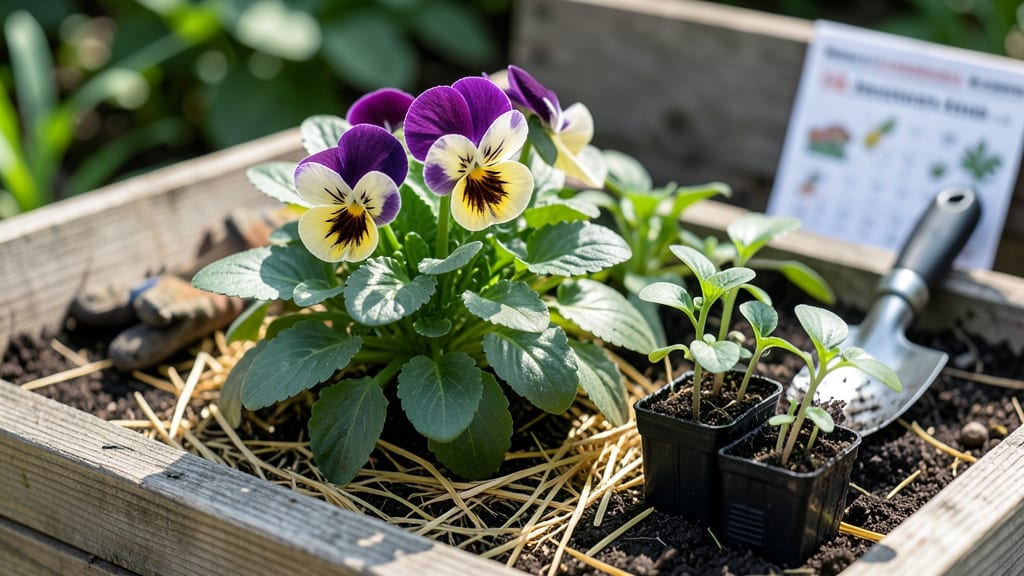
Planting pansies at the wrong time in Georgia can mean the difference between vibrant blooms and sad, struggling 🌸 flowers.
The best time to plant pansies in Georgia isn't just about the calendar—it's about avoiding those pesky late frosts that can wipe out your hard work in a single chilly night.
Most gardeners in zones 7b-8b swear by fall planting between September and October, giving those delicate roots time to establish before winter.
But spring planting in February or March also works if you time it right—just make sure to get them in the ground 6-8 weeks before your last frost date.
Here's the secret: pansies love cool weather, so planting them too early in spring risks heat stress, while planting too late in fall might leave them vulnerable to winter's first freeze.
I'll show you exactly how to nail that sweet spot for your Georgia garden, whether you're in the cooler north or warmer south.
Ready to transform your garden into a year-round color show? Let's break down the best planting windows, soil prep tips, and care tricks that'll keep your pansies thriving—no matter which season you choose.
Georgia’s ideal pansy planting calendar: fall vs spring breakdown
Pansies (Viola × wittrockiana) are Georgia’s secret weapon for year-round color—when planted at the right time. Fall planting delivers early spring blooms, while spring planting extends summer interest. But Georgia’s climate varies dramatically from North Georgia’s cooler USDA Zone 7b to South Georgia’s milder Zone 8b, making timing everything.
In North Georgia, first frost typically arrives by November 15, while South Georgia enjoys frost-free winters until December 1. These differences create a 4-6 week window shift in optimal planting times. Let’s break down the exact months—and what to watch for in each zone.
Soil temperature is your best indicator: pansies thrive when soil stays above 40°F (4°C) at night. Use a soil thermometer to confirm—planting too early in cold soil stresses roots. Microclimates (like urban heat islands or shaded spots) can also shift your ideal window by 2-3 weeks.
| Factor | North Georgia (Zone 7b) | South Georgia (Zone 8b) | Key Notes |
|---|---|---|---|
| Fall Planting Window | September 15 - October 15 | October 1 - November 1 | Plant 4-6 weeks before first frost for spring blooms. South Georgia’s later frost allows extended window. |
| Spring Planting Window | February 15 - March 15 | March 1 - April 1 | Plant 6-8 weeks before last frost for summer color. North Georgia’s earlier last frost means earlier planting. |
| Soil Temperature Threshold | 45°F (7°C) minimum | 50°F (10°C) minimum | South Georgia’s warmer soils allow later planting. Use black plastic mulch to warm cold soils in North Georgia. |
| Frost Date Impact | First frost: Nov 15 Last frost: Mar 15 |
First frost: Dec 1 Last frost: Mar 22 |
North Georgia’s shorter frost-free season (200 days) limits late spring planting. South Georgia’s 220-day season extends options. |
| Best Varieties for Zone | 'Matrix' (cold-hardy) 'Cool Wave' (disease-resistant) |
'Freedom' (heat-tolerant) 'Sorbet' (long-blooming) |
North: Choose cold-tolerant varieties. South: Select heat-resistant types for summer planting. |
For fall planting, aim to get pansies in the ground by October 1 in North Georgia and November 1 in South Georgia. This timing ensures roots establish before winter while avoiding late-season heat stress.
In North Georgia, consider early September planting if you use row covers to protect from early frosts.
Spring planting requires more precision. North Georgia gardeners should plant by March 1 to avoid late frosts that can damage tender new growth. South Georgia has more flexibility until April 1, but planting too late risks summer heat stress and bolting (premature flowering).
Pro tip: Use mulch (2-3 inches of straw or shredded leaves) after planting to insulate roots in winter and retain moisture in summer. In North Georgia, add mulch by November 1; in South Georgia, wait until December 15 to avoid trapping heat.
Watch for soil compaction in Georgia’s heavy clay soils—amend with compost or sand before planting. North Georgia’s acidic soils (pH 5.5-6.0) may need lime, while South Georgia’s sandy soils often require orgainc matter to retain moisture. Test your soil 4-6 weeks before planting to adjust pH to 6.0-6.5.
Remember: Pansies planted in fall will give you 6-8 weeks of spring blooms, while spring-planted pansies can flower until late fall. For continuous color, plant half your pansies in fall and half in spring, staggering varieties for sequential blooming. 🌸
5 Critical factors that determine your pansy planting success in Georgia
Before you rush out to plant pansies, let's assess your garden's readiness with these 5 critical factors that make or break success. I've learned the hard way—skipping these steps means struggling with leggy plants, faded blooms, or worse, total failure.
Start by checking your soil pH first, as pansies demand a 6.0-6.5 range to thrive. Georgia's clay soils often need lime amendments in North Georgia or organic matter in sandy South Georgia soils.
Next, evaluate your sunlight exposure. While pansies tolerate partial shade, they need at least 4-6 hours of morning sun for vibrant blooms. Afternoon shade is crucial in South Georgia's Zone 8b to prevent heat stress.
I've seen pansies in full afternoon sun wilt dramatically by midday—don't make that mistake.
Drainage is another dealbreaker. Pansies hate soggy roots, so test your soil's drainage by digging a 6-inch hole and filling it with water. If it doesn't drain within 2 hours, amend with compost or perlite. In North Georgia's heavy clay, raised beds solve drainage issues beautifully.
- ✔️ Soil pH tested between 6.0-6.5 (use lime for acidic soils, sulfur for alkaline)
- ✔️ Sunlight provides 4-6 hours morning sun (afternoon shade in hot zones)
- ✔️ Drainage test shows water drains within 2 hours (amend if needed)
- ✔️ Humidity control: avoid planting in low-lying areas with poor air circulation
- ✔️ Pest barriers like copper tape or diatomaceous earth ready for slug/snail prevention
Don't overlook humidity levels—Georgia's muggy summers create perfect conditions for powdery mildew. Choose disease-resistant varieties like 'Cool Wave' and space plants 8-12 inches apart for airflow. In North Georgia's cooler microclimates, humidity is less of an issue, but morning watering helps prevent fungal spores from spreading.
The final factor? Pest prevention. Slugs and snails see pansies as an all-you-can-eat buffet. I've lost entire beds to these slimy critters! Set up copper barriers or use beer traps (yes, really—it works!).
For organic gardens, try diatomaceous earth around plant bases. In South Georgia's warmer climate, aphids become a bigger threat—spray plants with neem oil weekly as prevention.
Once you've checked all five factors, your pansies will reward you with months of vibrant blooms. Remember: fall planting gives you spring color, while spring planting extends summer interest. The key is preparation—don't skip these critical steps or you'll be fighting problems instead of enjoying your garden. 🌸