
Plants
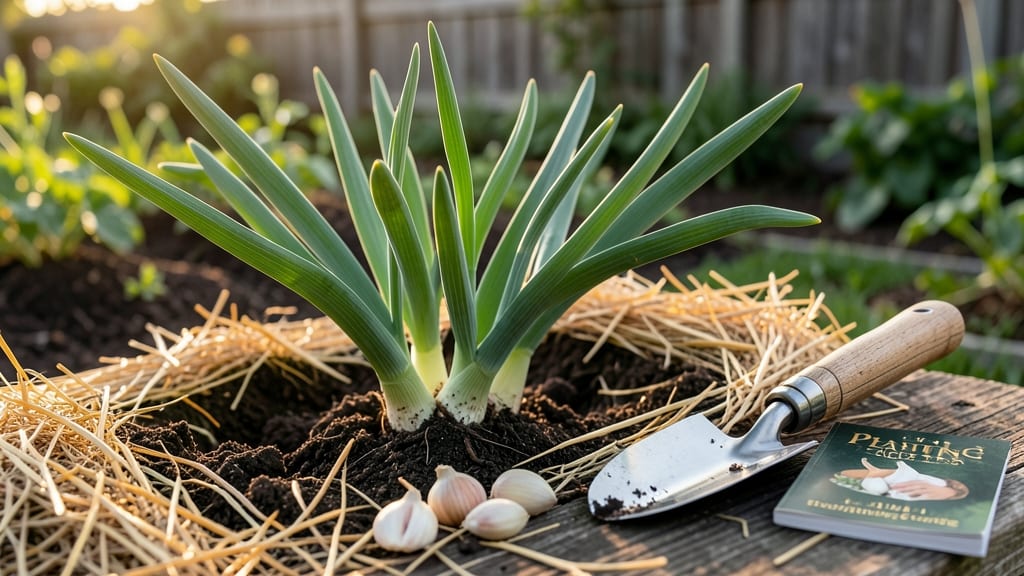
Planting garlic 🧄 in Tucson’s 9a-9b climate isn’t just about timing—it’s about outsmarting the desert’s unpredictable swings from 110°F summers to rare winter frosts. Get the timing wrong, and you’ll end up with weak bulbs or no harvest at all, despite your best efforts.
Most gardeners in Tucson know fall is the window for planting, but the exact months matter—especially when choosing between hardneck and softneck varieties. Hardneck thrives with a cold snap, while softneck plays it safe with milder winters.
I’ll break down the optimal planting windows so you can avoid common mistakes that waste your time and resources.
What you’ll discover here are the precise October-November planting dates tailored for Tucson’s microclimates, plus soil prep secrets to ensure your garlic survives the heat and thrives through the winter. No more guessing—just proven strategies for bigger, healthier bulbs that actually make it to harvest season.
Whether you’re a first-time planter or a seasoned gardener, these insights will help you navigate Tucson’s unique challenges—from monsoon watering to elevation differences. Let’s get your garlic off to the best possible start.
Optimal planting windows for hardneck vs softneck garlic in Tucson’s desert climate
Tucson’s USDA Zone 9a-9b climate creates unique challenges for garlic growers. Unlike cooler regions, our mild winters and intense summers require precise timing to avoid heat stress or premature sprouting. The key is planting when soil temperatures drop below 70°F but before frost risks arrive—typically between mid-October and mid-November.
Hardneck and softneck garlic have different ideal windows in Tucson. Hardnecks thrive with cooler winter temperatures (32-50°F) to form scapes, while softnecks prefer milder winters (40-60°F) to mature bulbs. Understanding these differences ensures your garlic develops properly without bolting too early or stunting.
Here’s the critical comparison for Tucson gardeners:
| Garlic Type | Optimal Planting Window | Soil Temp at Planting | Key Climate Factor | Adjustment for Late Planting |
|---|---|---|---|---|
| Hardneck | Mid-October to early November | 60-68°F | Needs cool winter (32-50°F) for scape formation | Plant by November 15 max; use shade cloth if late |
| Softneck | Late October to mid-December | 65-72°F | Tolerates warmer winters (40-60°F) for bulb maturation | Can plant until December 10 with heavy mulch |
| Both Types | Avoid planting after December 15 | Above 70°F | Risk of premature sprouting from summer heat | Use shade cloth if planting late; monitor soil moisture |
🌱 Note: Adjust for elevation—higher areas (e.g., Catalina Foothills) plant 2-3 weeks earlier
For hardneck garlic, aim to plant by November 1 to ensure scapes form before Tucson’s January warmth (which can cause bolting). Varieties like ‘German Red’ or ‘Chesnok Red’ perform well here, thriving in 40-50°F winters but struggling if temperatures stay above 55°F for extended periods.
Softnecks like ‘Silverskin’ or ‘Artichoke’ are more forgiving, allowing a later window (up to mid-December) because they focus on bulb development rather than scapes. However, even softnecks need consistent moisture during Tucson’s dry winter months—a drip irrigation system set to 1-2 inches per week is ideal.
If you miss the ideal window, don’t panic. You can still plant hardnecks until November 15 using 30% shade cloth to reduce soil temperatures. For softnecks, extend to December 10 but add 4-6 inches of mulch (straw or wood chips) to insulate bulbs from daytime heat and nighttime cold swings.
One critical mistake Tucson gardeners make is planting garlic too early. Soil temperatures above 70°F in September can trigger premature sprouting, leading to weak plants. Always check soil temps with a soil thermometer—aim for 60-68°F at planting depth (4-6 inches).
Pro tip: Use black plastic mulch in early fall to warm soil faster if you’re planting softnecks late. Remove it once plants emerge to prevent overheating. For hardnecks, avoid plastic mulch—opt for straw mulch instead to maintain cooler soil temps for scape development.
Remember, Tucson’s microclimates vary dramatically. Low-lying areas like Tortolita may have earlier frost risks, while higher elevations like Mount Lemmon can
How to adjust garlic planting for Tucson’s extreme heat and frost risks
Tucson’s unpredictable climate—with 110°F summers and rare winter frosts—can turn your garlic crop into a gamble if you don’t adjust planting strategies. The key is creating microclimate protection that shields bulbs from both extremes while maintaining optimal growing conditions.
Unlike cooler regions, Tucson’s garlic needs strategic insulation and shade management to survive.
Even with perfect timing, heat stress during Tucson’s winters or premature sprouting from summer heat can ruin your harvest. I’ve learned through trial and error that mulching and soil prep are just as critical as planting dates.
For example, a 4-inch layer of straw mulch can protect garlic from 30°F nights while keeping roots cool during 90°F days.
Here’s the critical warning about Tucson’s garlic-growing risks:
Planting Too Late or Early in Tucson’s Climate
Planting garlic after December 15 risks premature sprouting from Tucson’s warming soils in late winter. Conversely, planting before October 15 exposes cloves to soil temps above 70°F, triggering weak growth. The 60-68°F soil window is non-negotiable for healthy bulb formation.
To protect your garlic from Tucson’s heat waves, start with soil preparation. Amend your garden beds with compost and aged manure to improve moisture retention and drainage. Heavy clay soils trap heat—mix in sand or perlite to create a looser, cooler growing medium.
I’ve found that raised beds work exceptionally well in Tucson because they warm up and cool down faster than in-ground soil.
For frost protection, use row covers or lightweight blankets during unexpected cold snaps. Even Tucson’s rare 28°F nights can damage garlic foliage. A 30% shade cloth placed over beds during daytime heat (especially in March-April) prevents bolting while still allowing light penetration.
This is particularly important for hardneck varieties, which need cooler conditions to form scapes.
Watering strategies also make a huge difference in Tucson’s climate. Deep watering once weekly (1-2 inches) is ideal, but avoid wetting foliage to prevent fungal diseases. Drip irrigation set to early morning minimizes evaporation and keeps roots consistently moist.
During summer dormancy, reduce watering to every 10-14 days to prevent rot in the bulbs.
One final tip: If you’re growing garlic in containers, choose black plastic pots to absorb heat and warm soil faster in cooler months. Add extra mulch around the base to regulate temperatures.
With these adjustments, you’ll give your garlic the best chance to thrive despite Tucson’s extreme conditions—resulting in plump, flavorful bulbs ready for harvest in spring.