
How To
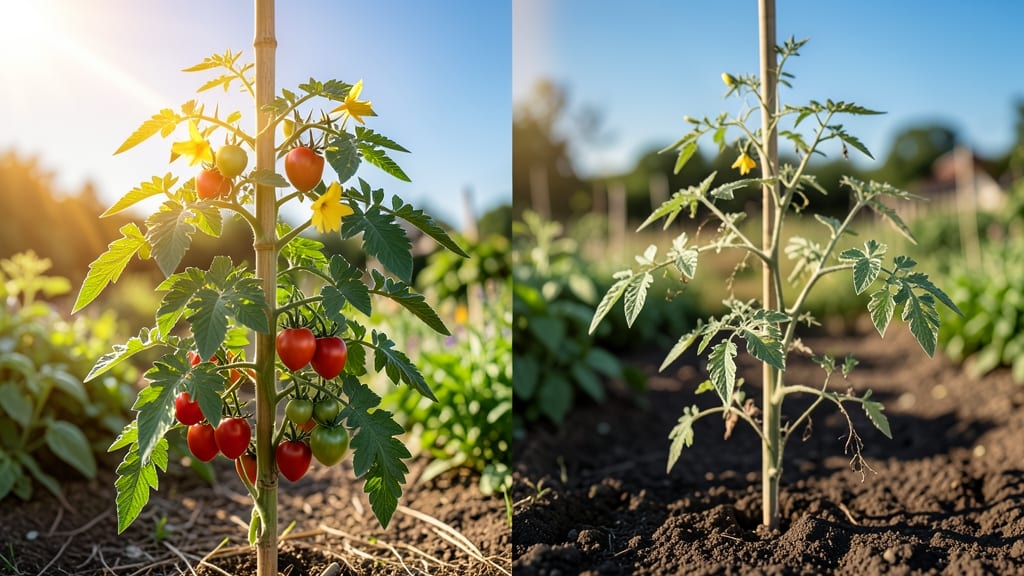
Want to know how much light a tomato plant needs to thrive? The secret to growing flavorful, robust tomatoes lies in providing the right amount of sunlight—and most gardeners either overestimate or underestimate what their plants truly require.
Tomatoes are sun-worshippers, craving 6 to 8 hours of direct sunlight daily to produce the juicy, flavorful fruits you love. Too little light, and you’ll end up with leafy plants that never set fruit, while too much can stress your vines.
The good news? With the right knowledge, you can optimize sunlight exposure whether you’re growing in a backyard garden or on a sunny windowsill.
In this guide, I’ll break down exactly how much light tomato plants need at each growth stage, how to spot light deficiencies, and practical solutions—like adjusting placement or using grow lights—to ensure your plants thrive. Let’s get your tomatoes the sunlight they deserve so you can enjoy a bountiful harvest.
From seedlings to fruiting, we’ll cover everything you need to know to give your tomato plants the perfect light conditions for strong growth and delicious tomatoes. Ready to turn your garden into a tomato powerhouse?

Tomato plant sunlight requirements by growth stage: full sunlight hours breakdown
Tomatoes are sun-worshippers, and their light needs change dramatically from seedling to harvest. While most gardeners know tomatoes need full sun, the exact hours vary by growth stage—and getting this wrong can mean leafy vines but no fruit.
Understanding these shifts helps you adjust placement, prune strategically, and even troubleshoot poor yields. Let’s break down the sunlight your tomato plants crave at every stage.
For seedlings, the stakes are lower but still critical. Young plants need 4-6 hours of bright light daily, but too much direct sun can scorch tender leaves. This is where indoor growers often struggle—without proper light, seedlings grow leggy and weak, setting them up for failure later.
Outdoor seedlings in spring or fall may get partial sun naturally, but supplement with shade cloth if temps rise above 85°F.
Once transplanted, tomato plants enter their vegetative growth phase, where they demand 6-8 hours of full sun daily. This is when they bulk up their foliage and strengthen stems. Skimp here, and you’ll see slow growth, pale leaves, and stems that can’t support fruit later.
I’ve seen gardeners in northern climates extend the season with reflective mulch or white walls to bounce extra light onto their plants during shorter summer days.
Here’s the critical threshold most gardeners miss: during flowering and fruiting, tomatoes need 8-10+ hours of direct sunlight. This is when photosynthesis fuels fruit development. Without enough light, flowers drop off, and existing tomatoes stay small, hard, and flavorless.
In my Zone 7a garden, I’ve had to move containers to sunnier spots in late summer when afternoon shade from nearby trees kicks in.
| Growth Stage | Ideal Sunlight Hours | Minimum Viable Hours | Outdoor Adjustments | Indoor Solutions |
|---|---|---|---|---|
| Seedlings (Indoor) | 4–6 hours | 3 hours (with grow lights) | Use shade cloth if >85°F | LED grow lights 12–16" away |
| Vegetative Growth (Outdoor) | 6–8 hours | 5 hours (supplement with reflectors) | South-facing location | Rotate plants weekly |
| Flowering/Fruiting | 8–10+ hours | 6 hours (reduced yield) | Prune nearby shade trees | Full-spectrum grow lights |
| Late Season (Fall) | 6–8 hours (extend with lights) | 4 hours (poor fruit set) | Use cold frames or row covers | 14-hour light cycle |
🌱 Note: Adjust for cloudy days by adding 2+ hours of supplemental light.
Seasonal variations throw a wrench into sunlight planning. In spring and fall, when days are shorter, aim for 6-8 hours of sun and supplement with reflective surfaces like white walls or aluminum foil wrapped around containers.
I’ve doubled my yield in April plantings by placing a south-facing window setup with mirrored panels behind my pots. For summer growing, prioritize morning sun and afternoon shade in hot climates to prevent sunscald on fruit.
Light deprivation doesn’t just reduce yield—it stunts plant health. Without enough sunlight, tomato plants produce long, weak stems and small, pale leaves, making them vulnerable to pests and diseases. I’ve seen blossom end rot flare up in shaded plants because calcium uptake drops under stress.
The fix? Move plants to sunnier spots immediately and add a balanced fertilizer to support recovery.
Indoor tomato growing adds another layer of complexity. Without natural sunlight, you’ll need grow lights to mimic full sun. LED grow lights should run 14-16 hours daily, positioned 6-12 inches above plants and adjusted as they grow.
I use a timer to automate cycles, but remember: too much light at night can delay flowering. For container growers, rotate plants weekly to prevent lopsided growth toward the light source.
Not all tomato varieties are created equal when it comes to light. Heirloom and indeterminate varieties like ‘Brandywine’ or ‘Sungold’ demand the most sunlight, while cherry tomatoes (e.g., ‘Sweet 100’) tolerate slightly less light.
If your garden has partial shade, opt for determinate varieties like ‘Roma’ or ‘Patio Princess’—they’ll still produce fruit with 5-6 hours of sun, though yields will be lower.
Pro tip: Monitor your plants’ leaf color as a quick sunlight check. Deep green leaves mean adequate light, while yellowing or purpling leaves signal deficiency.
In my shady balcony garden, I’ve had to switch from full-sun varieties to ‘Tiny Tim’ tomatoes, which handle 4-5 hours of sun better than others. The trade-off? Smaller harvests, but still delicious fruit!
🌿 Remember, tomatoes aren’t just chasing sun—they’re chasing photosynthesis power. Every extra hour of light translates to more energy for roots, stems, and fruit. By tailoring sunlight to each growth stage, you’ll
How to provide optimal light for tomato plants: solutions for shady spots and low-light gardens
Even the sunniest gardens can have spots that receive less light than your tomato plants crave. If your tomatoes aren’t thriving in shady spots, don’t despair—there are clever ways to maximize what sunlight they do get.
Start by evaluating your garden layout: tall trees, buildings, or fences can cast shadows that block crucial sunlight hours needed for fruit production.
First, identify which parts of your garden receive the least light throughout the day. Use a simple trick: place a white piece of paper in potential planting spots at different times.
If the shadow is longer than the paper itself for more than 4 hours, that spot is too shady for tomatoes. Even partial shade can reduce yields by up to 50%, so addressing this early is key.
⚠️ callout-warning
Tomatoes need 6-8 hours of direct sunlight daily to thrive. Anything less than 6 hours will stunt growth, delay flowering, and reduce fruit production. Seedlings can tolerate slightly less light (4-6 hours), but mature plants will struggle to set fruit without adequate sunlight.
🌱 Pro Tip: If your garden only offers 4-5 hours of sun, consider light-reflective surfaces (like white walls or mirrors) to bounce extra light onto your plants.
One of the easiest fixes is to adjust plant placement strategically. Move your tomato plants closer to the sunniest part of your garden, even if it means relocating them mid-season.
If you’re growing in containers, place them on a rolling tray or use a sun-tracking system to follow the sun’s arc throughout the day. Even a few extra inches can make a difference in sunlight exposure.
For gardens with permanent shade issues, companion planting can help. Pair tomatoes with taller, shade-tolerant plants like basil or lettuce that won’t compete for light. These companions can also improve air circulation, reducing the risk of fungal diseases that thrive in low-light, damp conditions.
Avoid planting tomatoes near competitive plants like corn or squash, which will steal both sunlight and nutrients.
If natural light is truly insufficient, grow lights are a game-changer. LED grow lights designed for vegetables can provide the full-spectrum light tomatoes need, especially during shorter winter days. Position lights just 6-12 inches above the plants and keep them on for 12-16 hours daily to mimic summer sunlight.
For best results, use a timer to automate lighting schedules and avoid overwatering, which can occur when plants don’t get enough natural light.
Finally, choose low-light tomato varieties if your garden is perpetually shady. Varieties like 'Stupice' or 'Black Krim' are more tolerant of partial shade and can still produce fruit, though yields will be smaller.
Pair these with pruning techniques to focus energy on fruit production rather than excessive foliage growth, which can worsen light deprivation issues.