
Plants
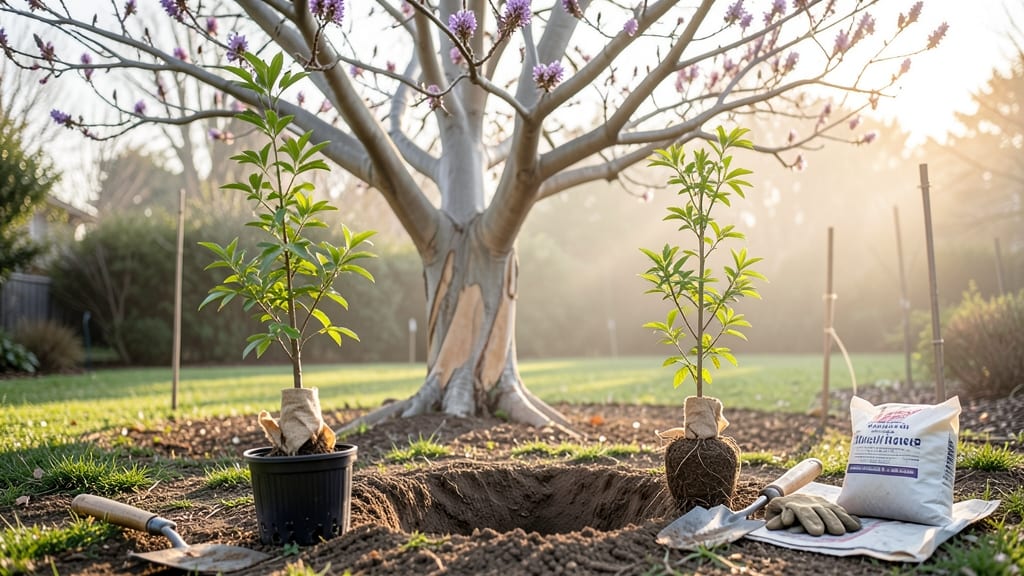
Planting your 🌸 Crape Myrtle in Virginia at the wrong time can mean the difference between a thriving tree and one struggling to survive the first frost.
The ideal window isn’t just about months—it’s about understanding your USDA zone, soil warmth, and how local climate quirks like humidity play a role.
For most of Virginia’s 6a-8a zones, late March to early May is your best bet, but there’s a catch: planting too early risks frost damage, while waiting too long can stress young roots.
I’ll break down exactly when to plant—whether you’re working with bare-root saplings or container-grown varieties—and how to prep your soil for zero-frost survival.
Local favorites like 'Natchez' and 'Muskogee' thrive with the right timing, and I’ll share how to extend your planting season if you’re in cooler zones like 6b. Plus, I’ll cover the critical 1-2 week window after the last frost when soil is just warm enough for roots to take hold.
Skip the guesswork and learn how to plant your Crape Myrtle for vibrant blooms and decades of low-maintenance beauty—no matter where you are in Virginia. Let’s get started.
Best planting months for crape myrtles in Virginia’s USDA zones 6b-8a
Timing is everything when planting crape myrtles in Virginia. These stunning trees thrive when transplanted during their optimal root-establishment window, which varies by USDA zone. In Zone 6b, where frost lingers longer, aim for late March to early April—once soil temperatures hit 50°F consistently.
Warmer zones like 7a-8a can wait until April to early May, giving roots time to settle before summer heat arrives.
Virginia’s last average frost date hovers around mid-April, but microclimates shift this window. For example, Roanoke (Zone 7a) typically sees its final frost by April 15th, while Blacksburg (Zone 6b) may wait until May 1st.
Planting too early risks frost heave, where roots freeze and expand, damaging tender new growth.
Soil temperature is your best guide. Use a soil thermometer to confirm 50°F+ readings at 4-inch depth. In Zone 8a, like Richmond, soil warms faster, so April 15th–May 1st is ideal. Cooler Zone 6b areas like Lynchburg should delay until April 20th–May 10th to avoid late frosts.
Container-grown crape myrtles adapt more easily than bare-root specimens, giving you a 2-week flexibility window in either direction. For example, if you miss the Zone 7a window, you can still plant container-grown trees through May 1st—just prioritize deep watering and mulching to compensate for slower root establishment.
Transplant shock is a real threat if you plant during extreme heat (above 90°F). In Zone 8a, avoid planting after May 15th unless you’re using shade cloth to protect young roots.
Similarly, fall planting (September–early October) is risky in Zone 6b due to early frosts, but works well in Zone 8a where first frosts arrive mid-October.
Local crape myrtle varieties like 'Natchez' (white blooms) and 'Muskogee' (purple) thrive when planted at the right time. 'Centennial', a dwarf variety, recovers faster from transplant stress, making it ideal for Zone 6b gardeners who want a low-maintenance option.
Always choose 1-2 year old trees for the best root-to-shoot ratio.
After planting, focus on consistent moisture for the first 4–6 weeks. In Zone 7a–8a, this means deep watering 2–3 times per week until roots establish. Mulch with 3–4 inches of wood chips to retain moisture and regulate soil temperature. Avoid overwatering—crape myrtles hate soggy roots.
Watch for early signs of stress, like yellowing leaves or wilting, which signal transplant shock. If you see these, increase watering slightly and apply a balanced fertilizer (10-10-10) to support recovery.
In Zone 6b, consider a light frost cloth for the first 2 weeks if nighttime temps dip below 40°F.
Remember, crape myrtles reward patience. Planting at the right time ensures vibrant blooms, stronger stems, and longer lifespan. Whether you’re in cool Zone 6b or mild Zone 8a, aligning with your local frost dates and soil conditions is the key to success. 🌸
How to extend the planting season for crape myrtles in Virginia’s cooler zones
If you’re in Virginia’s Zone 6b, where frosts can linger into May, you might feel like you’ve missed the boat by the time traditional planting windows open.
But don’t worry—with the right strategies, you can safely plant crape myrtles in late spring or even early fall while protecting them from frost. The key lies in cold-hardening, container flexibility, and leveraging microclimates to give your trees a fighting chance.
I’ve planted crape myrtles in Zone 6b for years, and I’ve learned that container-grown specimens and frost cloth protection can shift your planting window by 3-4 weeks without risking root damage.
For example, my 'Natchez' crape myrtle thrived when planted in early June using these methods, blooming just as vibrantly as those planted in April.
Here’s my step-by-step guide to extending your planting season, including when to harden off your plants, how to choose the right containers, and which microclimates offer the best frost protection:
- 1
- 2
- 3
- 4
- 5
Acclimate container-grown crape myrtles to cooler temps by moving them outdoors during the day (starting 1-2 weeks before planting) and bringing them back in at night. Gradually increase their outdoor time to 24 hours by planting day.
Aim for after Memorial Day when soil temps reach 60°F+. Use a soil thermometer to confirm—this ensures roots won’t shock from sudden warmth.
Microclimates near south-facing walls or stone barriers can add 5-10°F of warmth. I planted a 'Muskogee' near my brick garage and avoided frost damage entirely.
If planting in September, cover young trees with frost cloth when temps drop below 32°F. Secure it loosely to allow airflow and remove during the day.
Apply 3-4 inches of mulch (wood chips or straw) around the base to protect roots from temperature swings. Keep mulch 6 inches away from the trunk to prevent rot.
For container planting, opt for 1-gallon pots or larger to give roots room to establish. I’ve had success with 'Centennial' crape myrtles in 3-gallon containers, moving them to the ground once soil warmed enough.
Just ensure your containers have drainage holes to prevent root rot—a common issue in Virginia’s humid summers.
If you’re planting in early fall (September), focus on watering deeply before the first frost. Crape myrtles planted in fall can establish roots before winter, giving them a head start in spring. Just remember: stop watering 2-3 weeks before the first frost to harden off the roots.
With these techniques, you can push your crape myrtle planting window well beyond the traditional April-May range—just don’t wait past early October, or the roots won’t have time to anchor before winter. Happy planting! 🌸